Federal aid is a central part of hurricane recovery, but it is best understood as a supplement to insurance, not a replacement for it. The programs have real limits, specific eligibility rules, and timelines that rarely match a household's immediate needs. One pattern is worth stating at the outset, because it shapes everything below: these programs are designed to prevent destitution, not to restore a household to its pre-storm position. Knowing that in advance changes how you plan.
Presidential Disaster Declarations
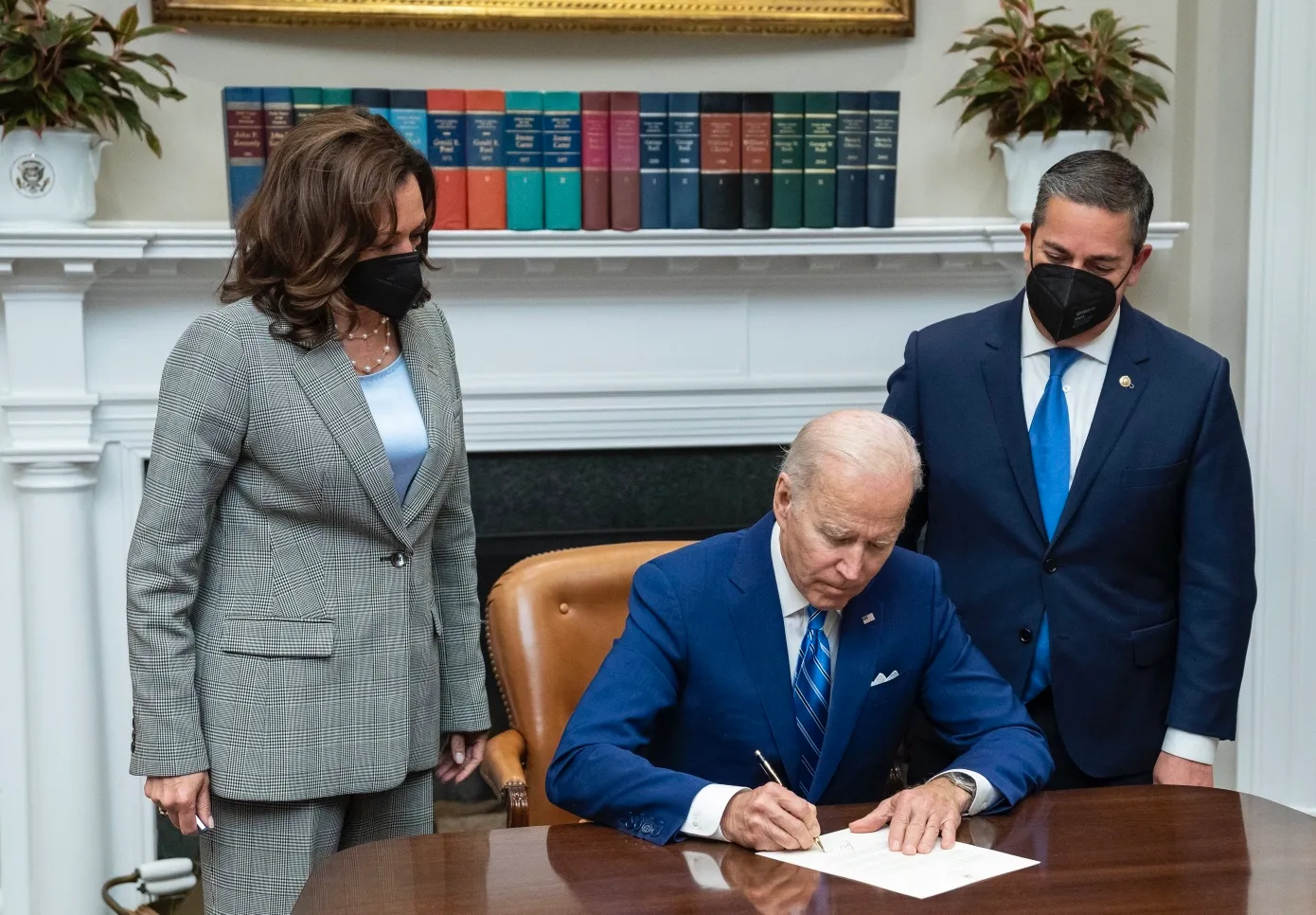
A presidential declaration can authorize specified FEMA assistance in designated areas. Emergency declarations may precede landfall, and an SBA disaster declaration can separately make SBA loans available. Not all federal aid requires the same declaration.12
When declarations are issued
Declarations are not automatic and have no universal 48–72-hour timetable. States, territories or eligible tribal governments can request assistance through the applicable process. Check the actual declaration, designated areas and authorized programs.1
Why declarations matter
A declaration specifies which areas and programs are authorized. Individual Assistance and Public Assistance are not automatically available everywhere covered by a declaration. Confirm your location’s Individual Assistance designation before relying on FEMA household assistance.1
FEMA Individual Assistance (IHP)
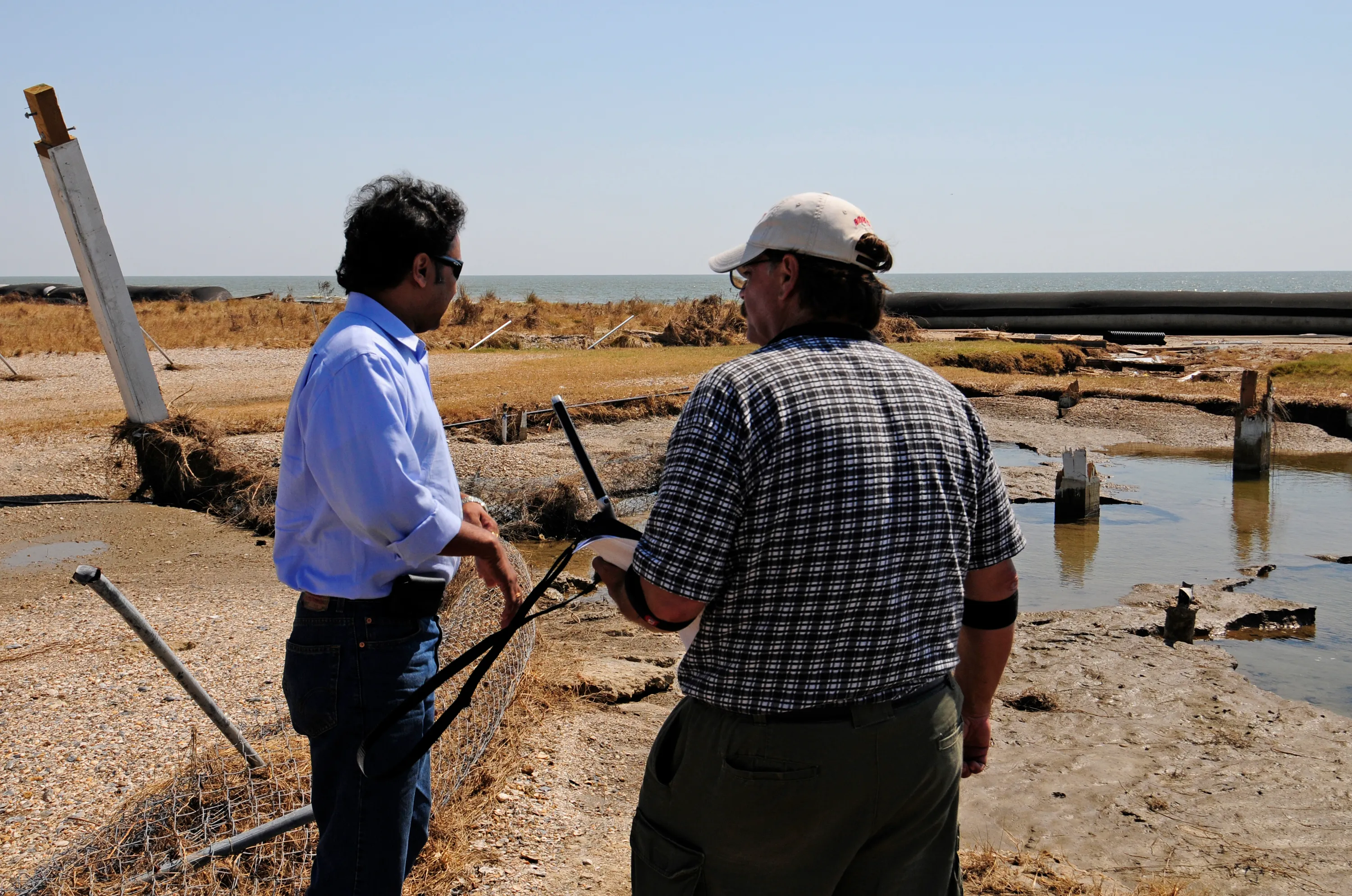
FEMA's Individuals and Households Program (IHP) provides grants, not loans, to cover disaster-related losses that insurance does not address. The program has firm limits on both what it covers and how much it pays.
What IHP covers
- Housing: temporary shelter, lodging, and repair or replacement of a primary residence
- Personal property: furniture, clothing, appliances, and items essential to sanitation and health
- Transportation: repair or replacement of vehicles damaged in the disaster
- Medical and dental: necessary care not covered by insurance
- Funeral and burial: costs of disaster-related deaths
- Childcare: eligible additional disaster-related childcare costs
- Household repairs: essential repairs to restore habitability
IHP grant limits
IHP has separate annually adjusted financial limits for Housing Assistance and Other Needs Assistance; they are not one combined household cap. Some forms of assistance are outside those limits. The applicable amount depends on the disaster declaration date, and maximums are not typical awards.3
Who is eligible
Eligibility varies by assistance type. FEMA generally verifies identity, disaster-related need, insurance or other assistance, and occupancy or ownership where relevant. Citizenship or eligible immigration status may be established through a qualifying household member, including a minor child. IHP is not subject to a general low-income cutoff.1
The insurance offset
FEMA cannot duplicate insurance or other assistance for the same need. It evaluates eligible unmet needs under program rules; it does not simply pay the difference between all losses and an insurance settlement. Apply by the deadline and update FEMA when your insurance decision arrives.1
SBA Disaster Loans
The U.S. Small Business Administration (SBA) offers low-interest disaster loans to homeowners, renters, and businesses. Unlike FEMA grants, SBA loans must be repaid with interest, but they provide much larger amounts, which makes them the main source of federal reconstruction funding for losses that exceed insurance and IHP.
Homeowner loans
Eligible homeowners may borrow up to $500,000 to repair or replace a primary residence. Rates are set for the disaster and applicant’s credit circumstances, and repayment terms can extend to 30 years. Review the actual offer rather than assuming a 3–4% rate.2
Personal property loans
Eligible homeowners and renters can borrow up to $100,000 to replace personal property such as furniture, appliances, and vehicles damaged in the disaster.2
Rental property and business loans
Rental properties may qualify under SBA business physical-disaster loans. Business physical damage and economic injury generally share a $2 million limit, subject to program exceptions; they are not automatically separate allowances.2
Loan eligibility
SBA considers credit and ability to repay. Credit available elsewhere can affect eligibility or rates, depending on the program. Income is relevant to repayment capacity.2
How to apply
Apply online at SBA.gov or at a FEMA Disaster Recovery Center. You will need:
- Proof of identity and Social Security number
- Proof of occupancy at the damaged property (utility bill, mortgage statement)
- Tax returns, typically for the last two years
- Proof of loss (an insurance denial or a damage estimate)
- Bank statements showing financial capacity
Processing time varies with documentation, inspections, application volume and eligibility questions. Check status through SBA and respond promptly to requests; do not plan on a guaranteed 30–60-day decision.
HUD Community Development Block Grants (CDBG-DR)
The U.S. Department of Housing and Urban Development (HUD) administers Community Development Block Grant Disaster Recovery (CDBG-DR) funds for long-term recovery. Unlike FEMA and the SBA, which provide immediate aid, CDBG-DR addresses longer-term community needs and can fund large projects such as housing reconstruction, workforce development, and infrastructure restoration.
How CDBG-DR works
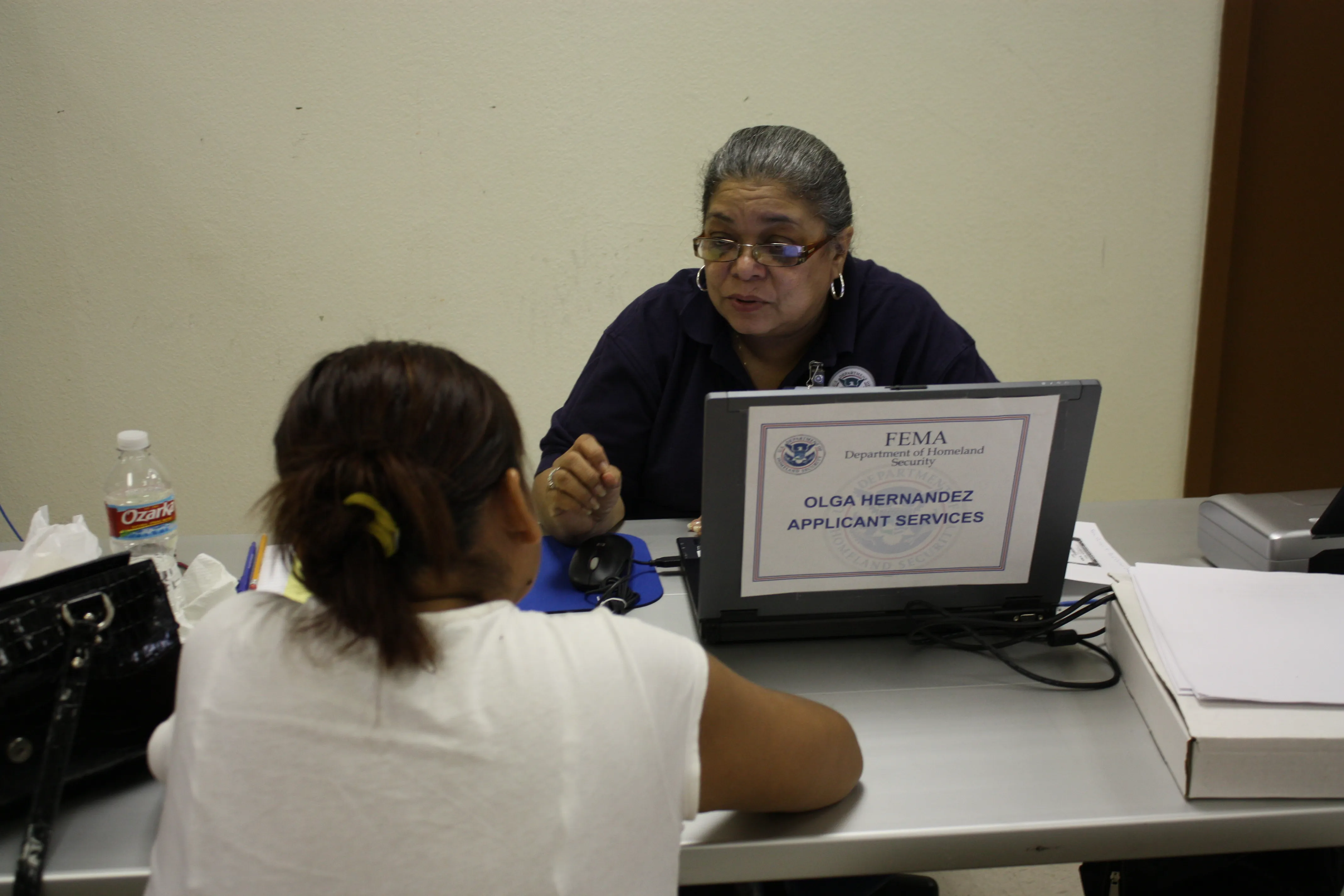
CDBG-DR requires congressional appropriations and HUD allocations to eligible grantees, including states and local governments. Grantees develop approved plans and run programs; household applicants generally apply through those programs rather than directly to HUD.4
The CDBG-DR timeline
CDBG-DR moves slowly. After Hurricane Katrina in 2005, HUD allocated billions in CDBG-DR funding, but rebuilding timelines extended 5 to 10 years.4 The money arrived eventually, but not during the immediate post-hurricane phase, when households need emergency help most.
State and Local Programs
Many states run their own disaster assistance programs that supplement federal aid. These vary widely by state and are often created after a specific major hurricane.
State housing programs
State and local housing programs vary by disaster. Florida’s Hurricane Ian housing programs included temporary shelter and repair efforts; verify the named program and eligibility rather than assuming a general cash grant to homeowners.
State business programs
Many states offer small-business grants and low-interest loans through economic development agencies. These complement the federal SBA loans and often carry less rigorous credit requirements.
Contacting state programs
After a state disaster declaration, contact your state emergency management agency, often called the State Division of Emergency Management. It maintains lists of active state programs and can direct homeowners to the right resources.
Timeline and Realistic Expectations
Applications and services can begin soon after a declaration, including in the first week. Programs can operate concurrently; there is no fixed sequence in which households must finish insurance before applying for aid.
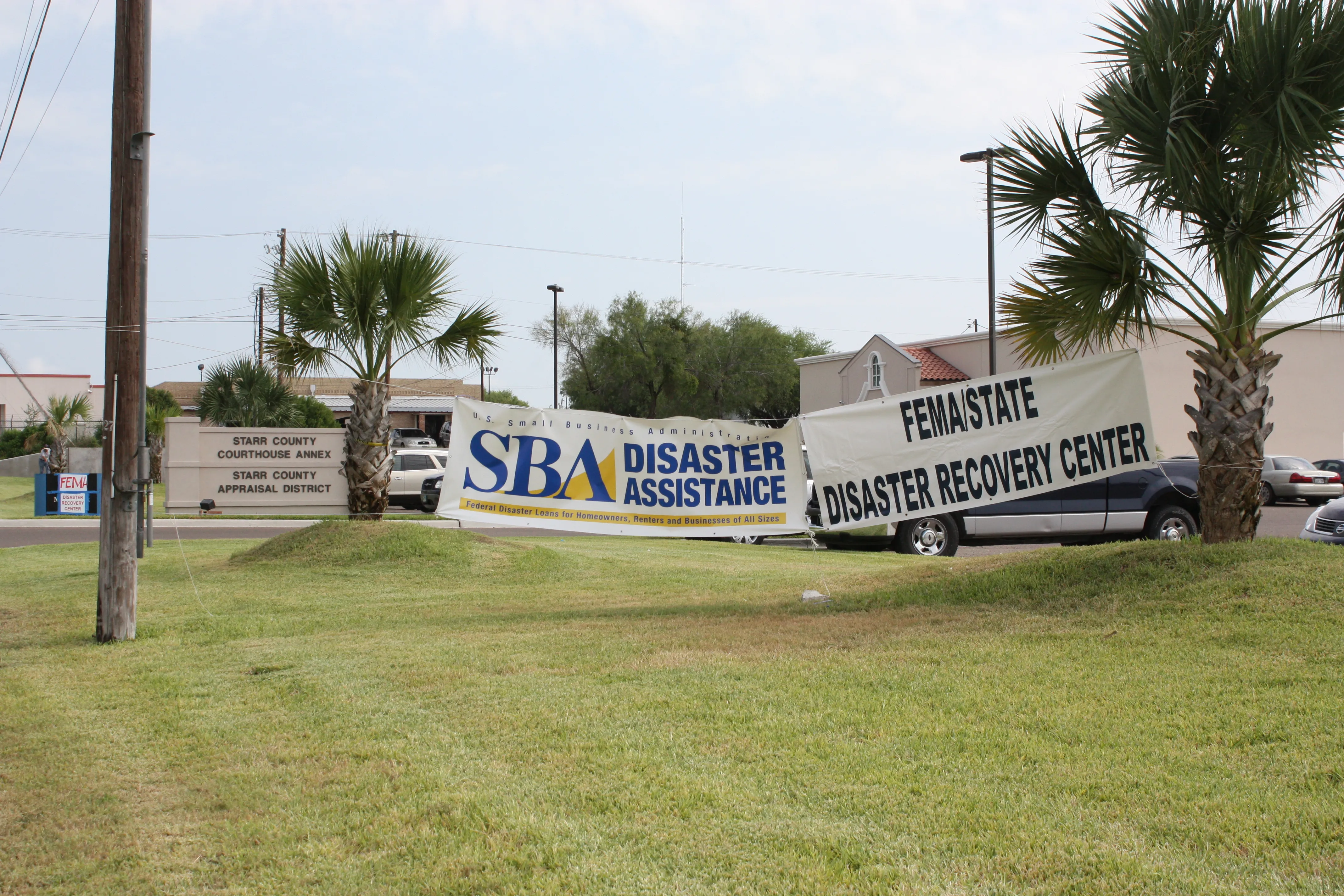
Check deadlines immediately. Apply through DisasterAssistance.gov, FEMA’s assistance line or a Disaster Recovery Center, and separately through SBA when eligible. Keep insurance decisions and assistance letters together so duplicate benefits can be identified and corrected.
The shares paid by insurance, assistance and households vary widely. Base a recovery budget on confirmed coverage and assistance decisions.
Avoiding Disaster Fraud
Fraud increases sharply in the days after a hurricane. Common schemes include fake relief organizations, contractors demanding large upfront fees, and callers posing as FEMA representatives offering "free grants." Treat unsolicited calls, emails, and door-to-door offers with caution.
A few rules hold up well:
- FEMA never charges a fee for assistance. Any organization asking for payment to secure a FEMA grant is fraudulent.
- Verify a charity's status through Charity Navigator or a comparable service before donating.
- Get bids from at least three licensed, insured contractors, and check references.
- Avoid contractors who demand full payment in advance; pay in stages as work is completed.
- Confirm eligibility directly through FEMA.gov and SBA.gov rather than through third parties offering to apply on your behalf.
If you suspect disaster fraud, report it to the FBI's Internet Crime Complaint Center or to the Department of Homeland Security Office of Inspector General hotline. For the full financial sequence that these programs fit into, from safe re-entry through rebuilding savings, see our post-hurricane recovery guide.
Sources
-
Federal Emergency Management Agency. How a Disaster Gets Declared. https://www.fema.gov/disaster/how-declared ↩ ↩2 ↩3 ↩4 ↩5
-
U.S. Small Business Administration. Disaster Assistance (13 CFR Part 123). https://www.sba.gov/funding-programs/disaster-assistance ↩ ↩2 ↩3 ↩4 ↩5
-
Congressional Research Service. (2024). FEMA and SBA Disaster Assistance for Individuals and Households: Application Processes, Determinations, and Appeals (R45238). https://www.congress.gov/crs-product/R45238 ↩
-
U.S. Department of Housing and Urban Development. Community Development Block Grant Disaster Recovery (CDBG-DR). https://www.hudexchange.info/programs/cdbg-dr/ ↩ ↩2