Storm History
The most consequential hurricanes in U.S. history, the deadliest and the costliest, with each storm's meteorology, human toll, and lasting legacy, sourced from NOAA NCEI and NHC data.
An introduction to this topic
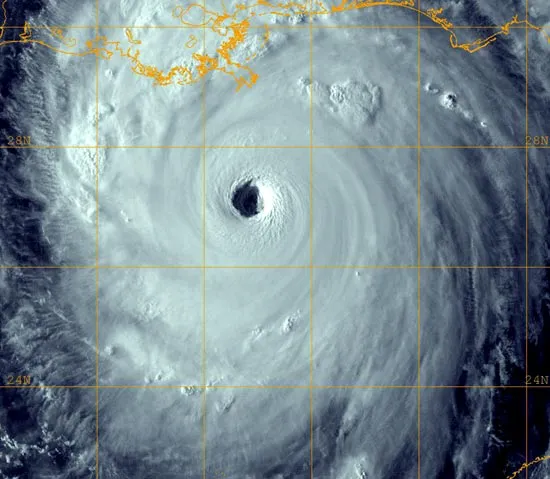 U.S. Naval Research Laboratory · Public domain
 The Deadliest & Costliest Hurricanes in U.S. History
A data-driven overview of the deadliest and costliest U.S. hurricanes, and why they form two largely separate lists. All data sourced from NOAA NCEI and NHC Tropical Cyclone Reports.
Read the guide →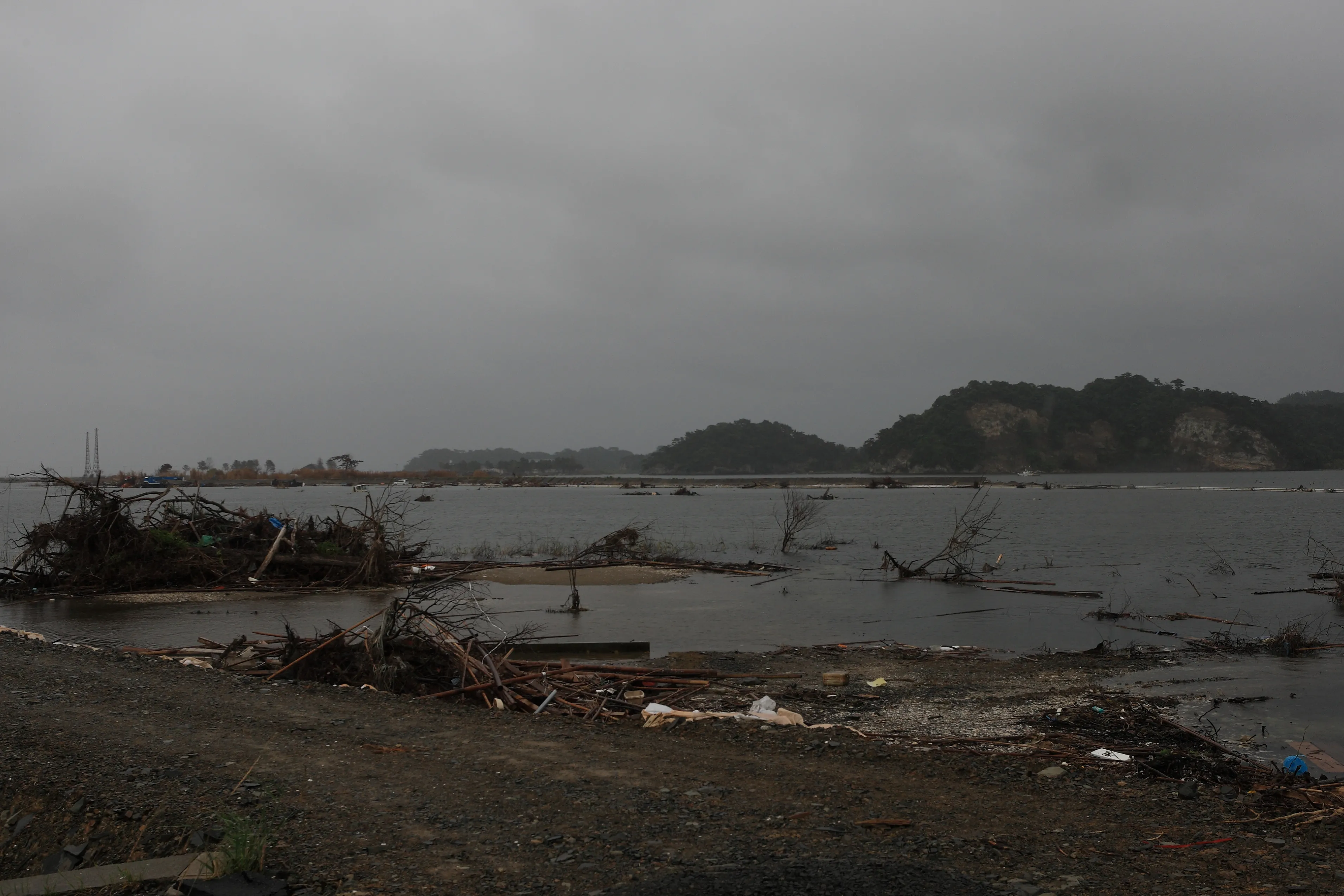
Costliest Natural DisastersHurricanes in Global Context
How do hurricane losses compare with other disasters? Explore exposure, insurance gaps, and and the limits of comparisons.
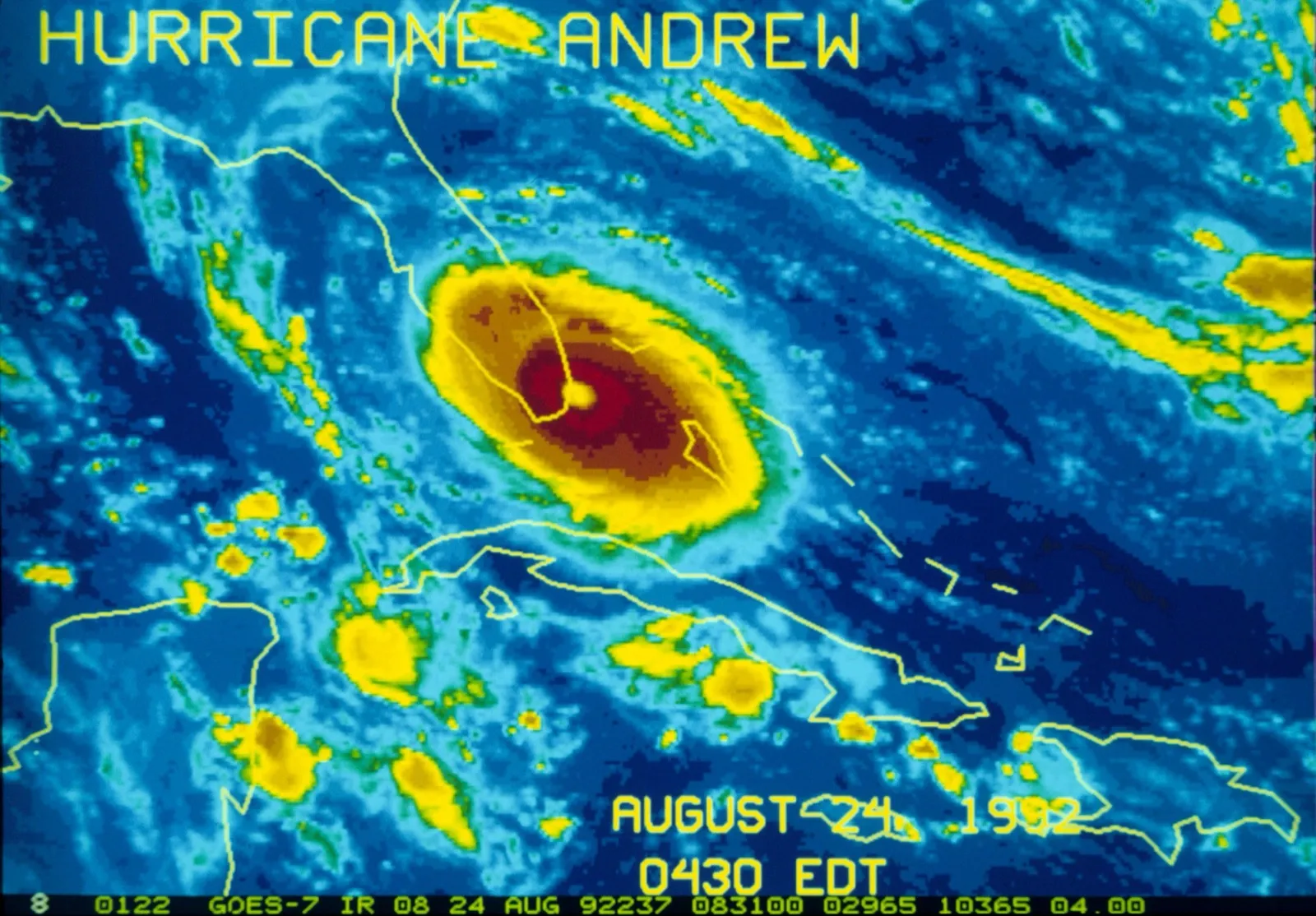
Hurricane Andrew (1992)
Hurricane Andrew struck south Florida in 1992 as a Category 5, destroying 63,000+ homes, killing 65, and causing ~$27 billion in damage (1992 dollars), reshaping U.S. building codes and insurance.
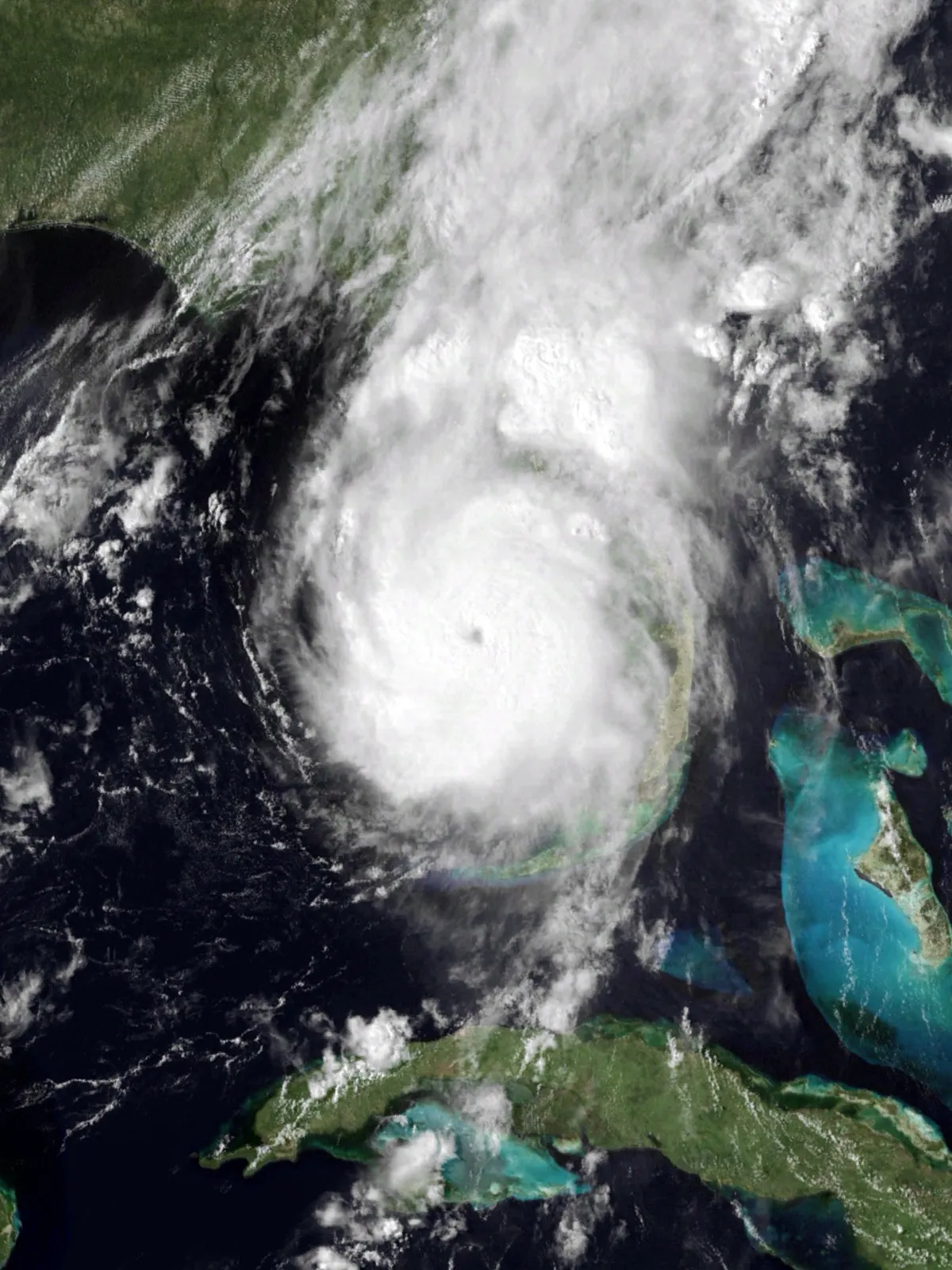
Hurricane Charley
Hurricane Charley (2004) struck Punta Gorda, Florida as a compact Category 4 (150 mph, or 240 km/h) after a late track shift from Tampa Bay; 15 direct deaths across affected countries and about $15.1 billion in U.S. damage (2004 dollars), a landmark forecast-cone lesson.
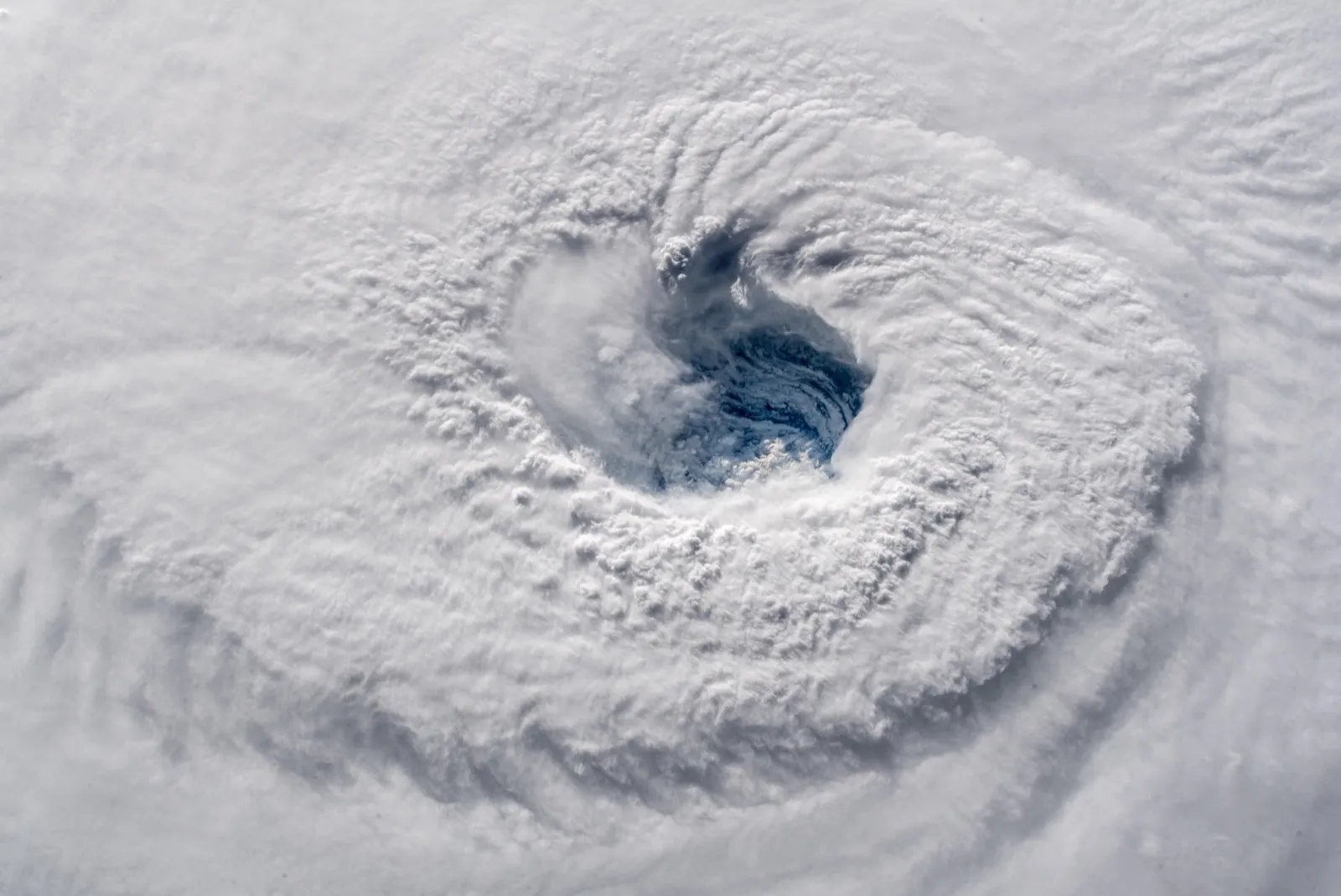
Hurricane Florence
Hurricane Florence (2018) made landfall in North Carolina as a Category 1 but stalled, setting a state rainfall record (~36 in / 914 mm) and causing catastrophic flooding; 22 direct deaths and ~$24 billion.
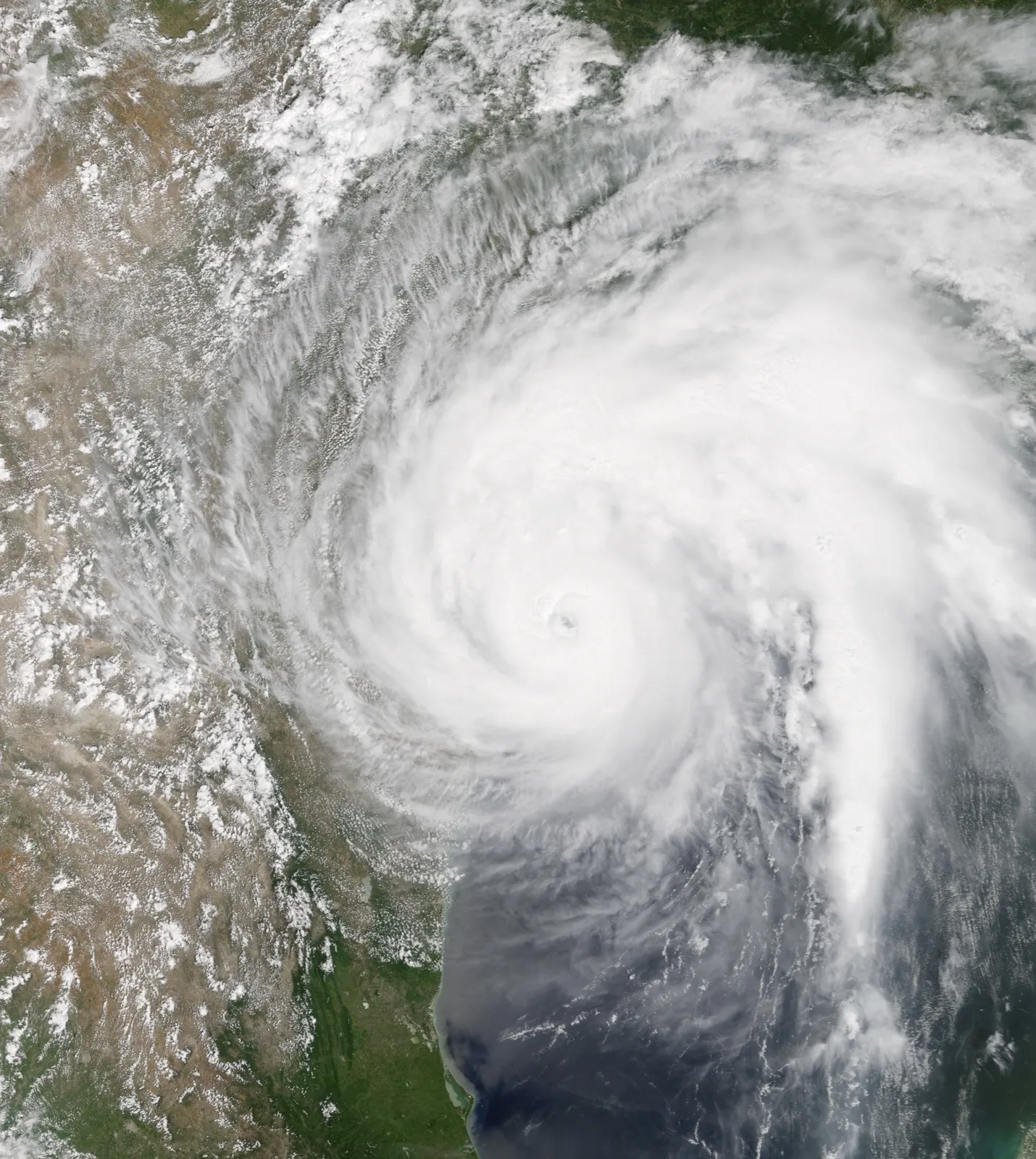
Hurricane Harvey (2017)
Complete history of Hurricane Harvey, which delivered 60.58 in (1,539 mm) of rainfall to Texas, causing $125 billion in U.S. damage (2017 dollars) and unprecedented inland flooding.
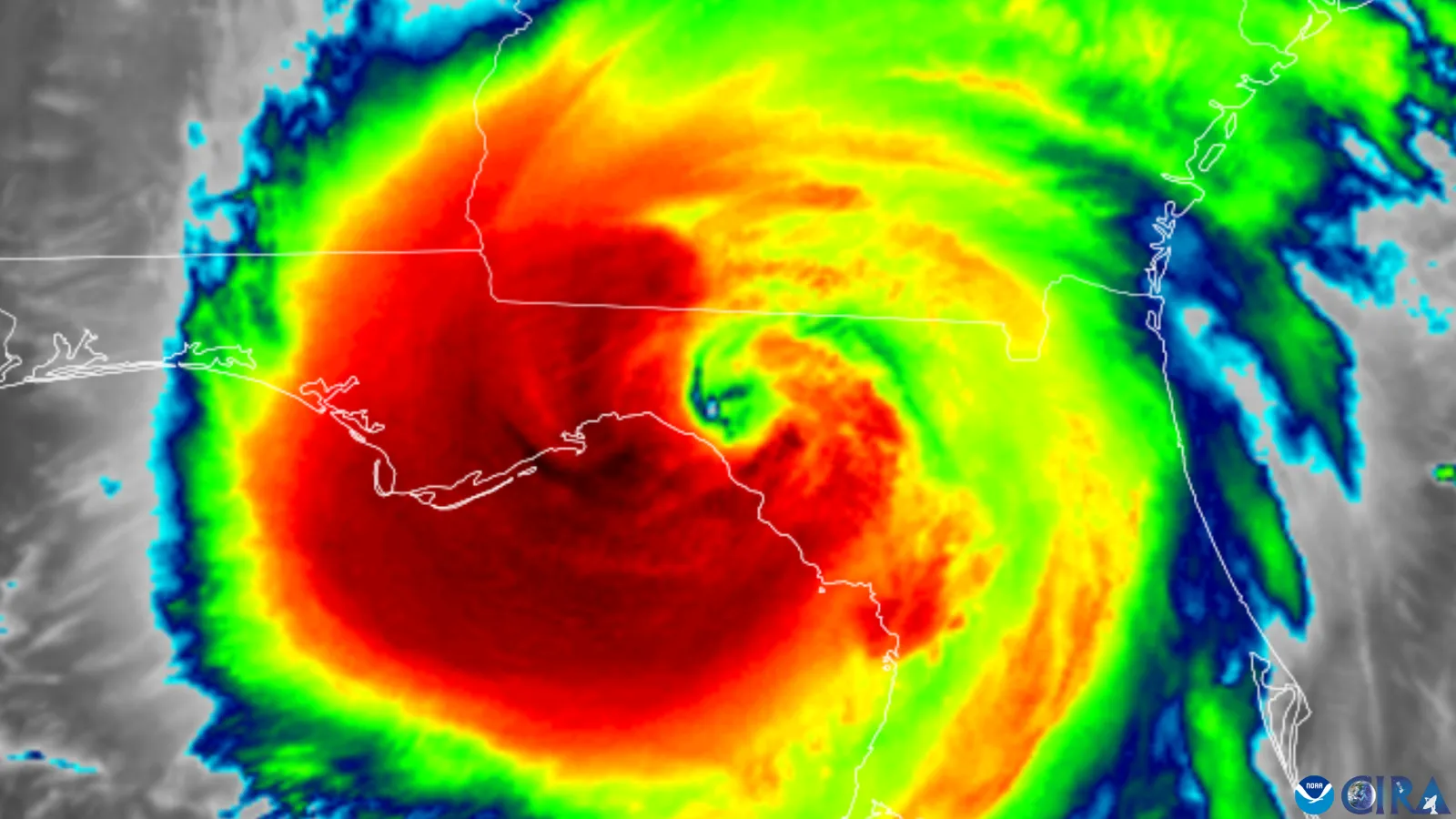
Hurricane Helene (2024)
Hurricane Helene (2024) struck Florida's Big Bend as a Category 4, then caused catastrophic flooding across the southern Appalachians: 250 deaths (deadliest U.S. mainland hurricane since Katrina) and ~$78.7 billion in U.S. damage (2024 dollars).
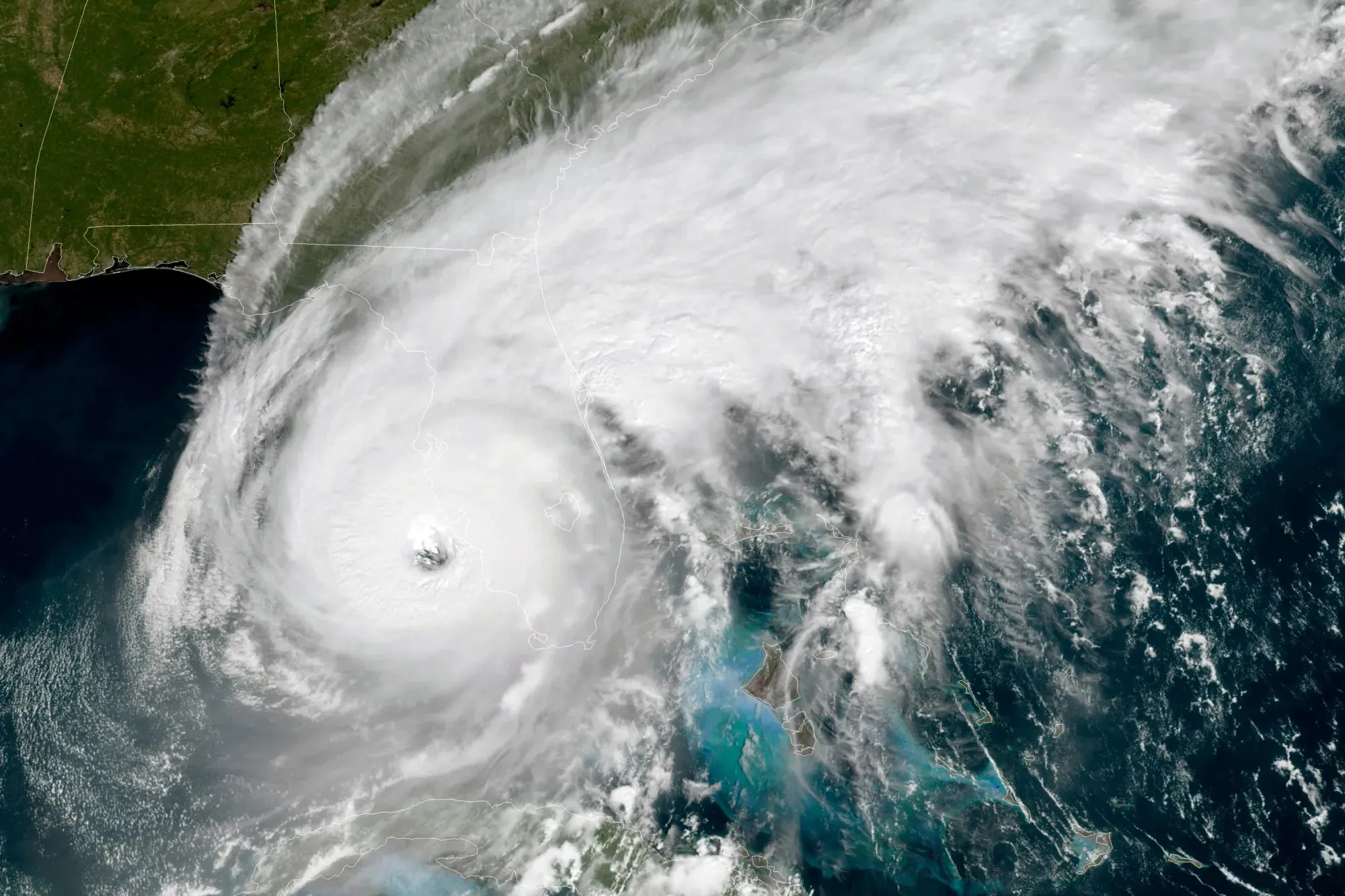
Hurricane Ian (2022)
Hurricane Ian delivered catastrophic storm surge to southwest Florida with 10–15 ft (3–4.6 m) of inundation above ground at Fort Myers Beach, causing $112.9 billion in damage.
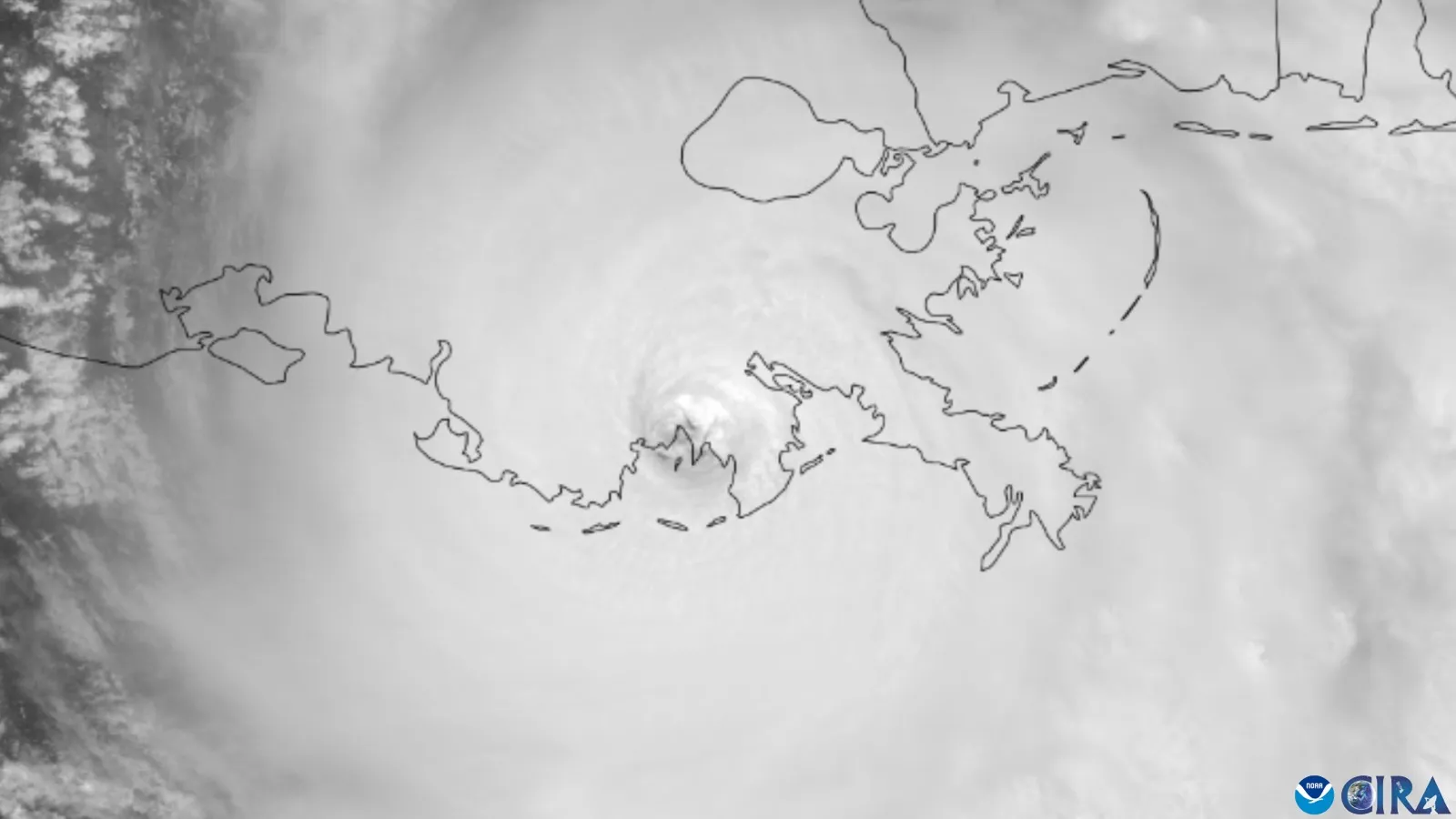
Hurricane Ida (2021)
Hurricane Ida (2021) struck Louisiana as a Category 4 on Katrina's 16th anniversary; its remnants then caused deadly flash flooding across the Northeast. ~$75 billion in damage (U.S. damage, 2021 dollars).
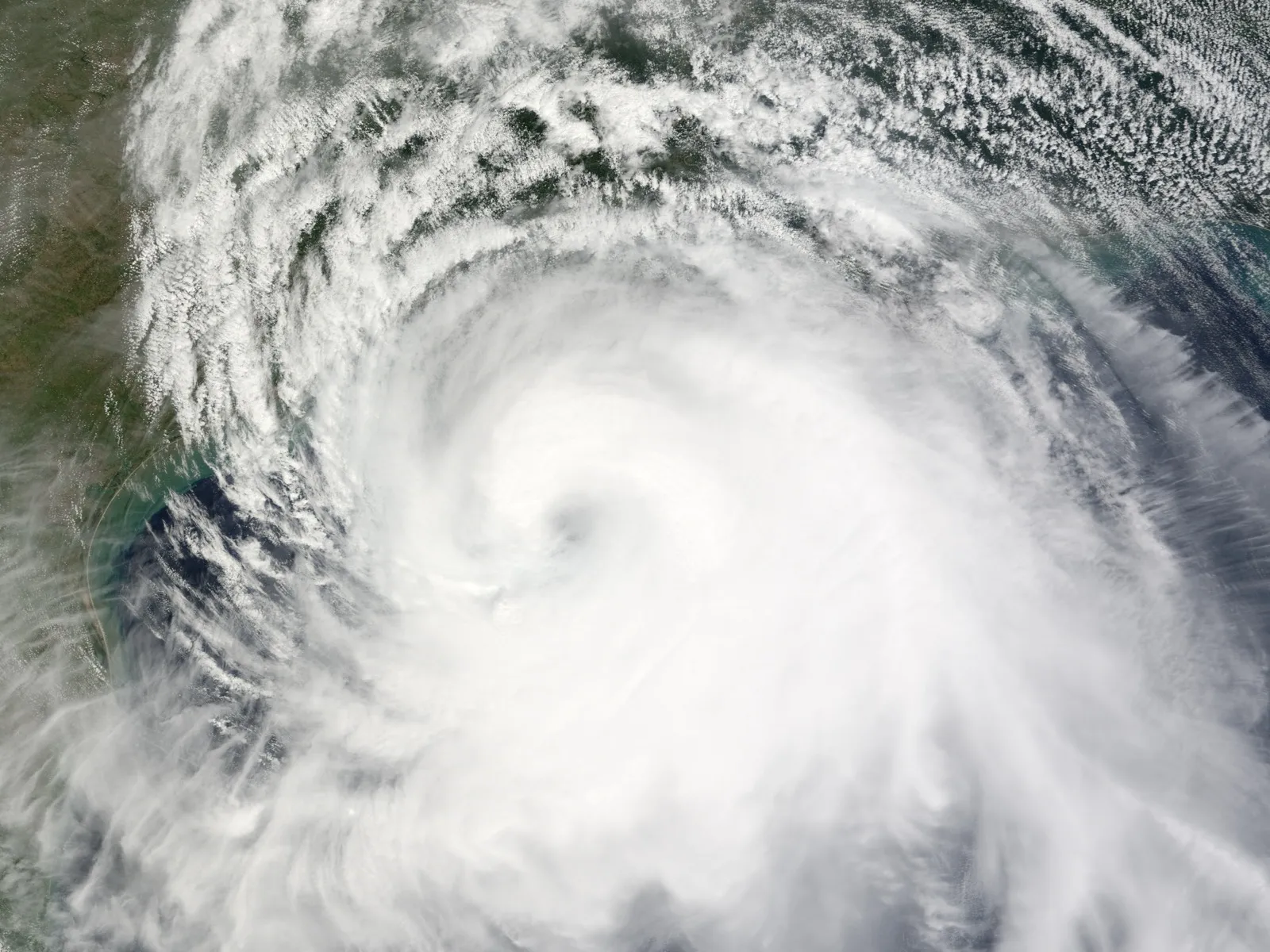
Hurricane Ike (2008)
Hurricane Ike (2008) struck Galveston, Texas as a Category 2, but its enormous wind field drove a catastrophic storm surge: 103 direct deaths documented by NHC and roughly $29.5 billion in U.S. damage (2008 dollars), a classic case of size mattering more than category.
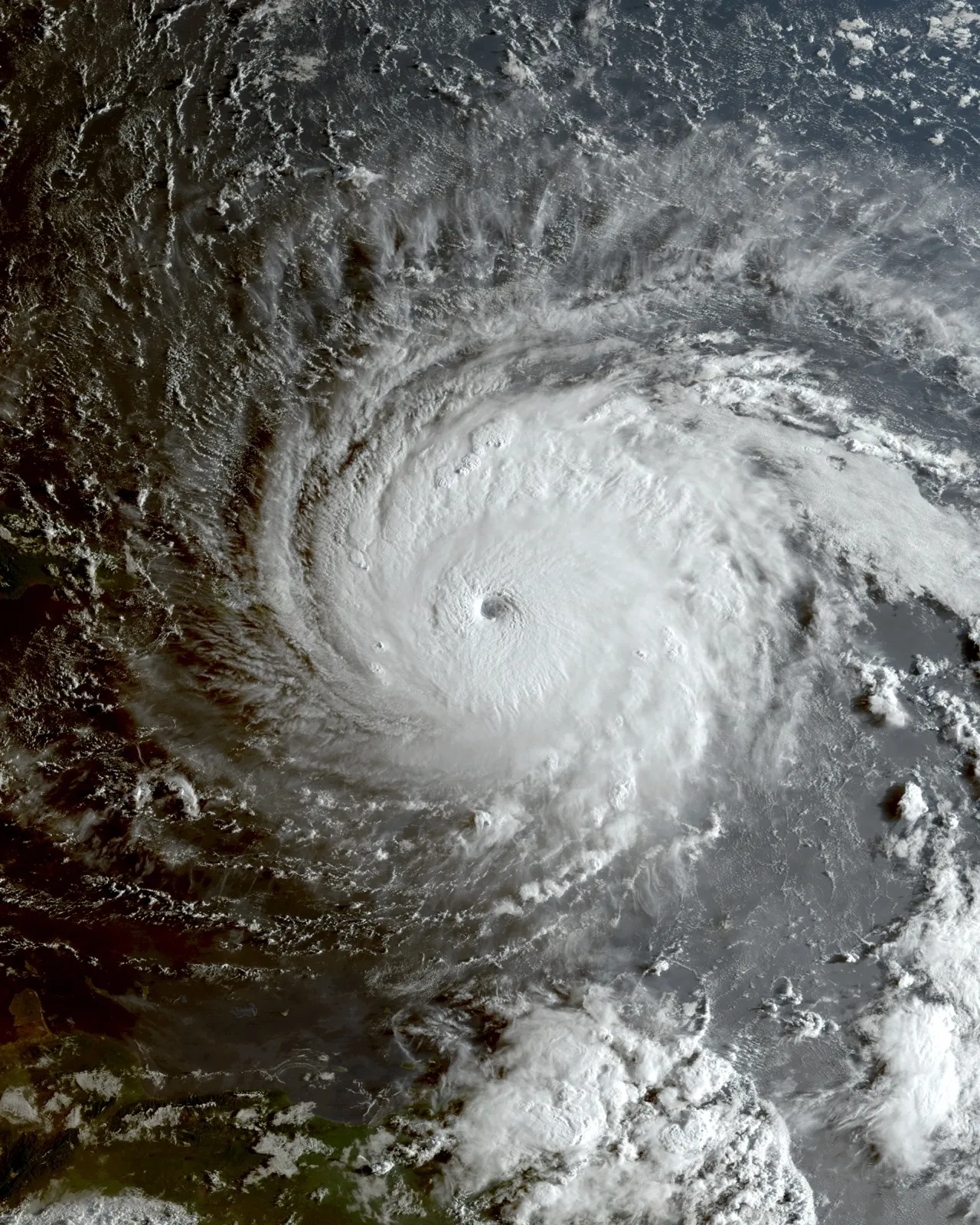
Hurricane Irma (2017)
Hurricane Irma (2017) reached 180 mph (155 kt) winds, devastated the northern Caribbean, and struck the Florida Keys as a Category 4: 46 direct deaths across affected regions and about $50 billion in U.S. damage (2017 dollars).
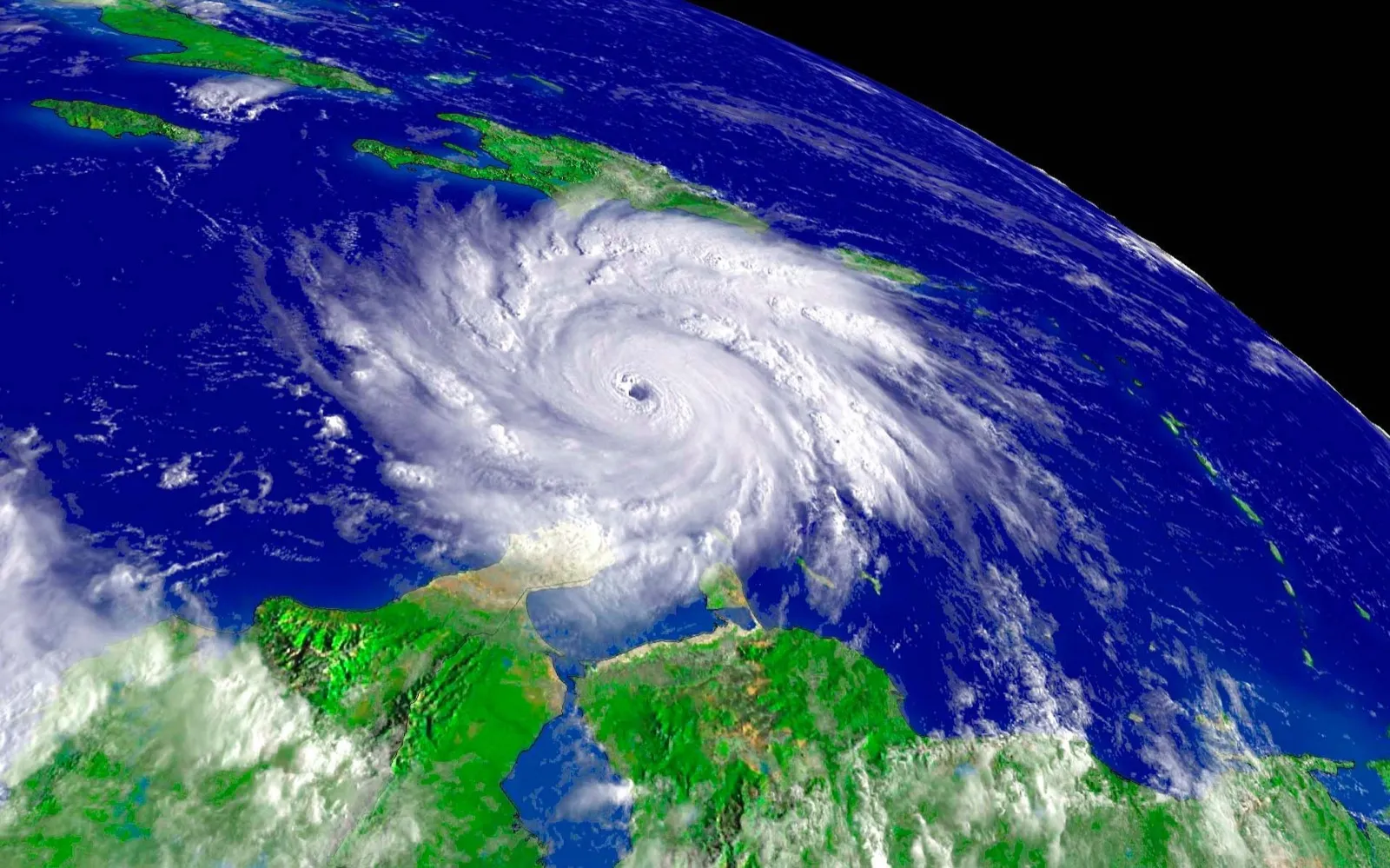
Hurricane Ivan (2004)
Hurricane Ivan (2004) peaked as a Category 5 (165 mph, 265 km/h), struck the Alabama coast as a Category 3, generated a record 91-ft (27.7 m) ocean wave, and looped back for a rare second U.S. landfall; 92 direct deaths across affected countries plus 32 indirect U.S. deaths; $18.82 billion in U.S. damage (2004 dollars).
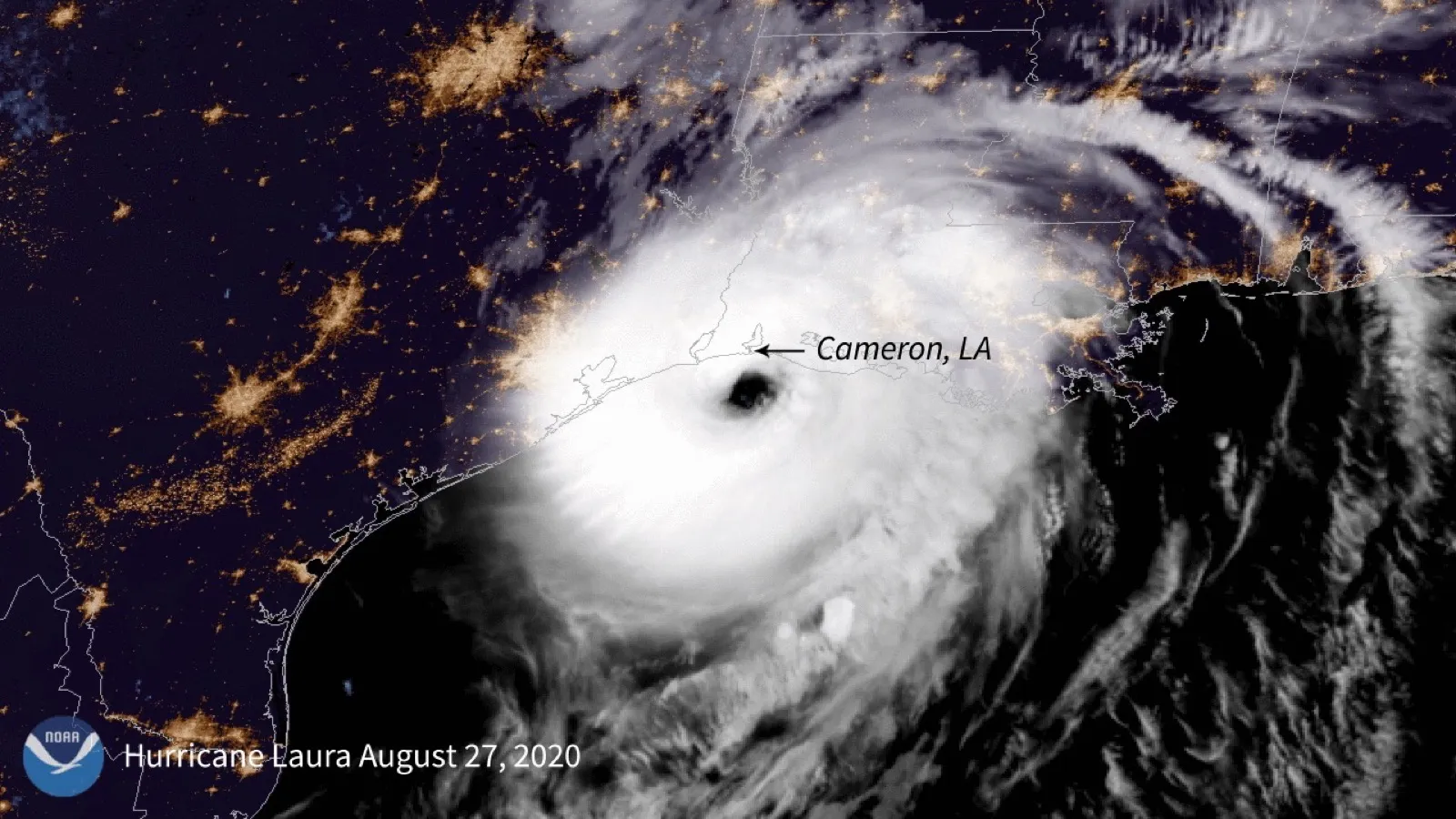
Hurricane Laura
Hurricane Laura (2020) hit southwest Louisiana as a Category 4 (150 mph, 240 km/h), among the strongest Louisiana landfalls; 47 direct deaths across affected countries and 34 indirect U.S. deaths; about $19 billion in U.S. damage (2020 dollars), with many post-storm generator deaths.
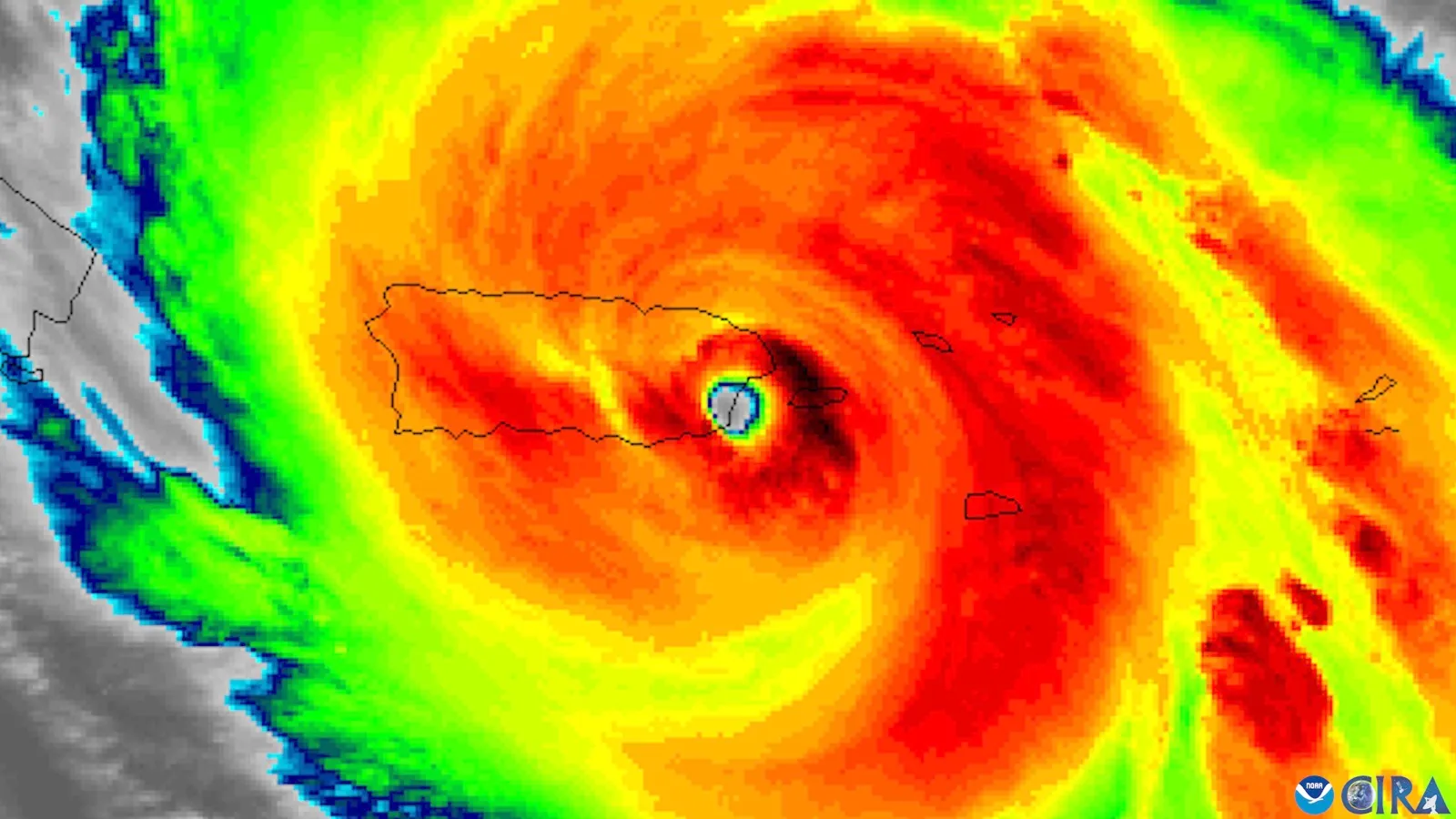
Hurricane Maria (2017)
Hurricane Maria devastated Puerto Rico with Category 4 winds, an island-wide blackout, and an estimated 2,975 excess deaths in Puerto Rico.
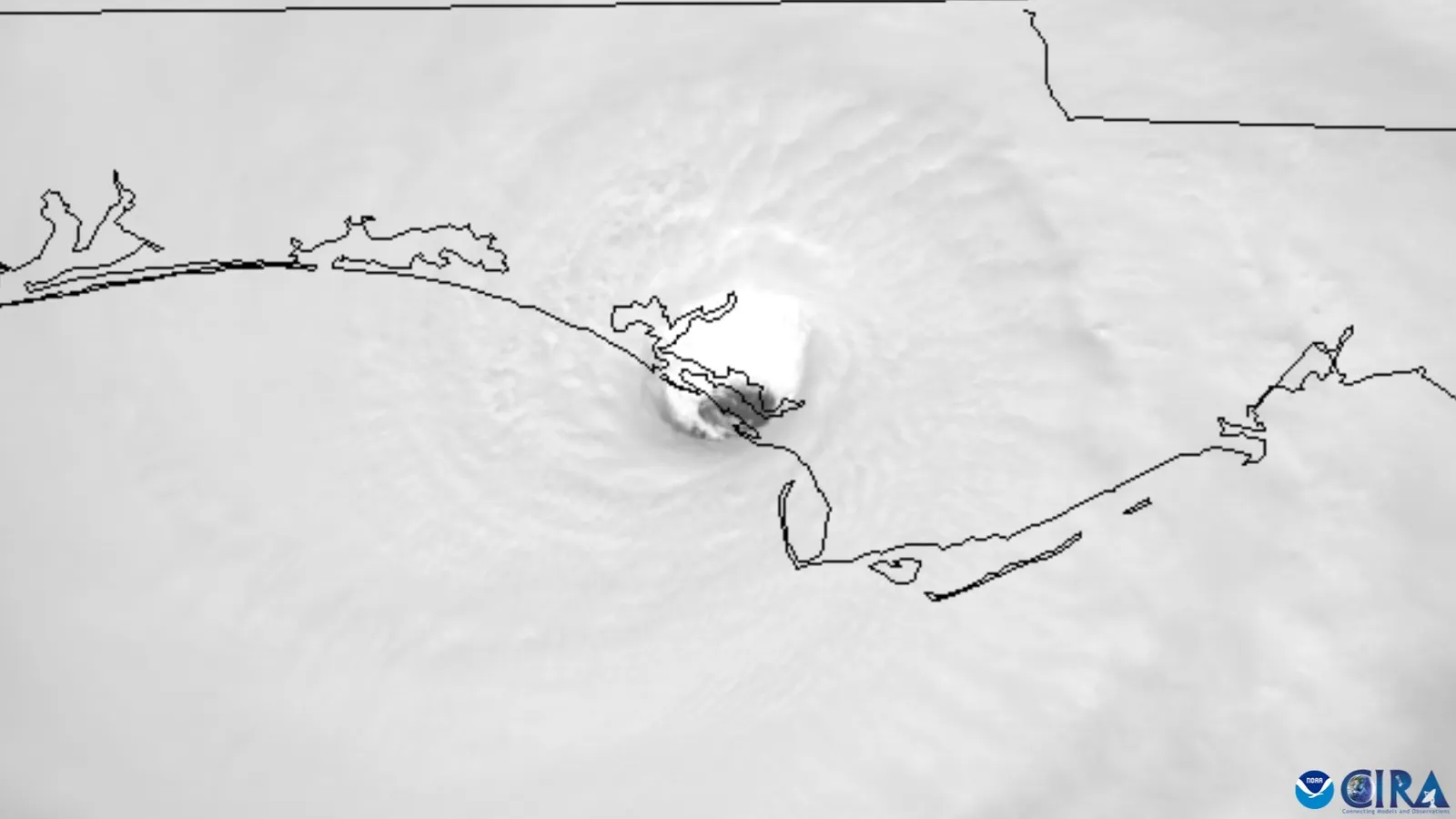
Hurricane Michael
Hurricane Michael (2018) was the first Category 5 to strike the Florida Panhandle, obliterating Mexico Beach with 160 mph (257 km/h) winds and a 9–14 ft (2.7–4.3 m) inundation above ground; 16 direct deaths and ~$25 billion in damage.
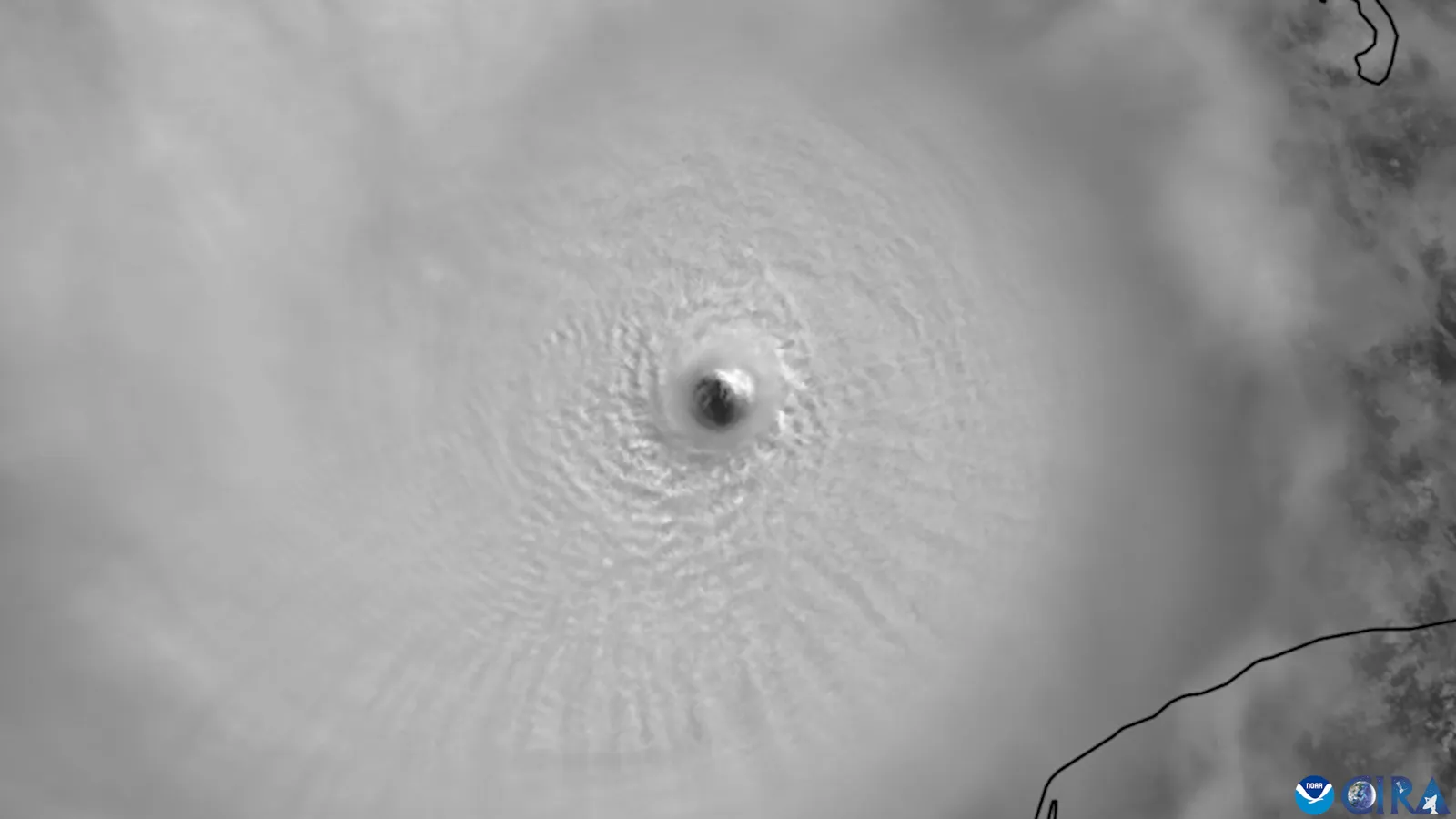
Hurricane Milton (2024)
Hurricane Milton (2024) tied the Gulf intensity record (180 mph (290 km/h), 895 mb), struck Siesta Key, Florida as a Category 3, and spawned a deadly tornado outbreak: ~$34 billion, two weeks after Helene.
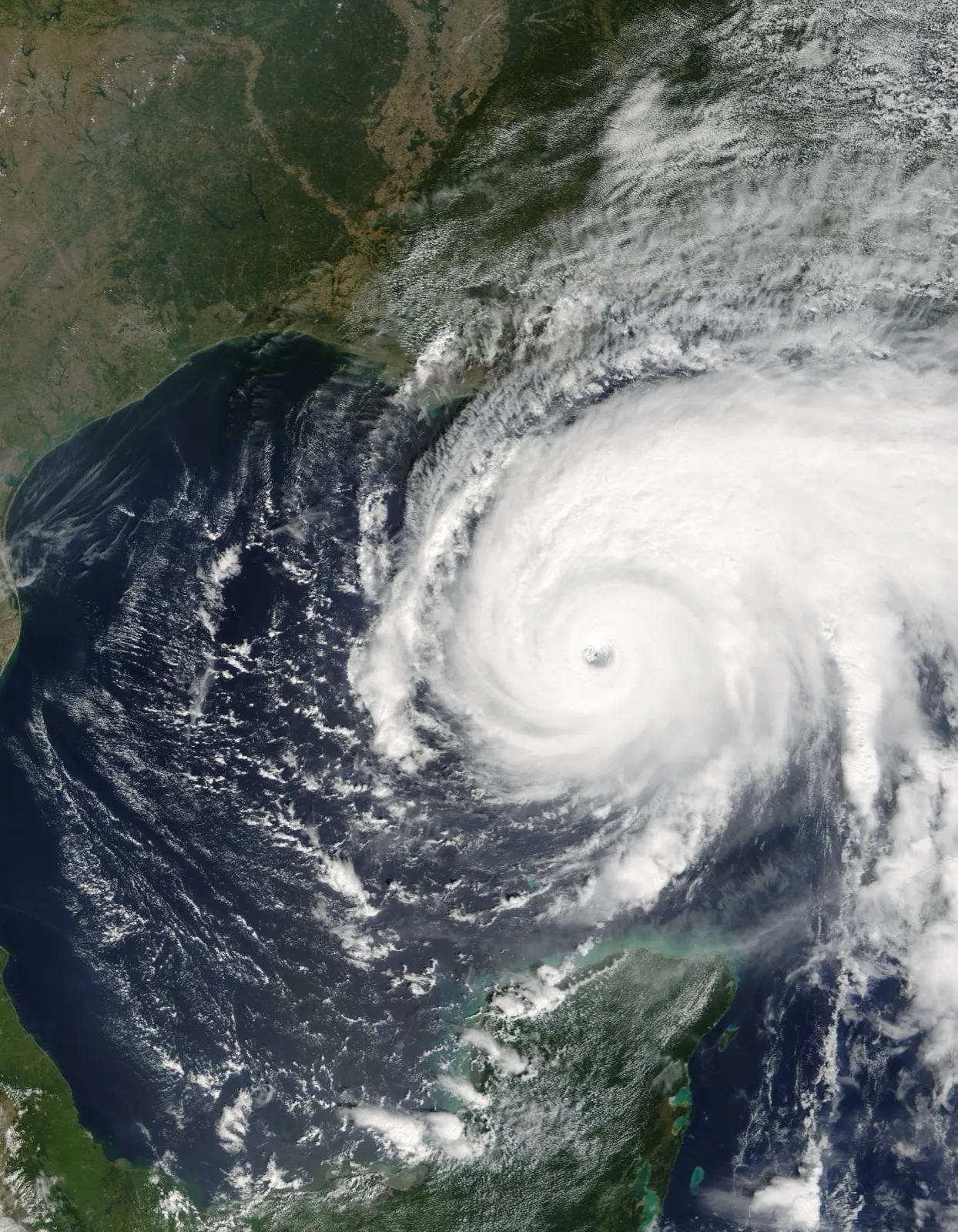
Hurricane Rita
Hurricane Rita (2005) peaked as a Category 5 (180 mph (290 km/h), 895 mb) and struck the Texas–Louisiana border as a Category 3; its chaotic Houston-area evacuation killed more people than the storm itself. About $12 billion in U.S. damage (2005 dollars).
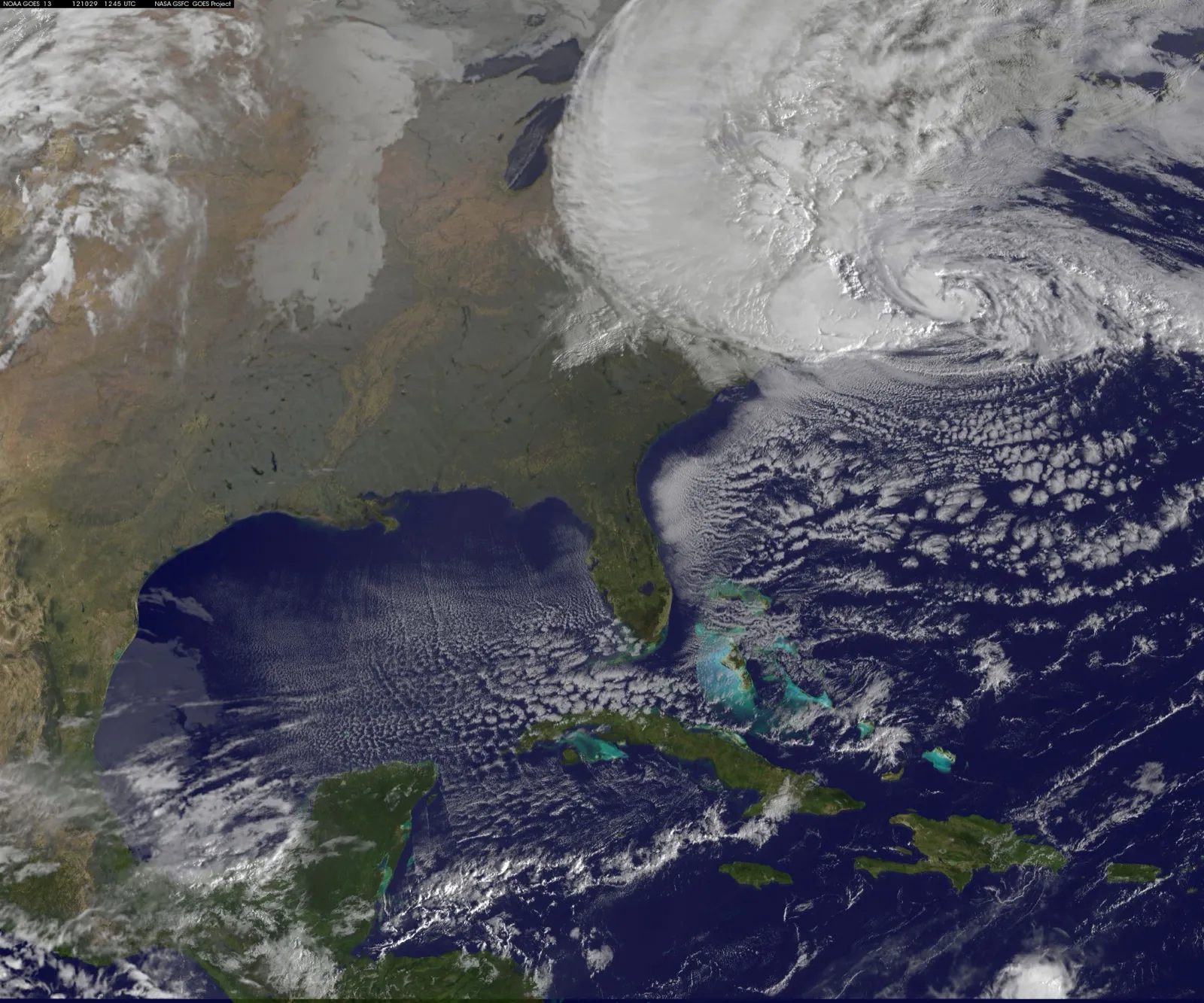
Hurricane Sandy (2012)
Hurricane Sandy (2012) became a vast post-tropical cyclone, driving a record surge into New York and New Jersey; 147 direct deaths across the Atlantic basin.
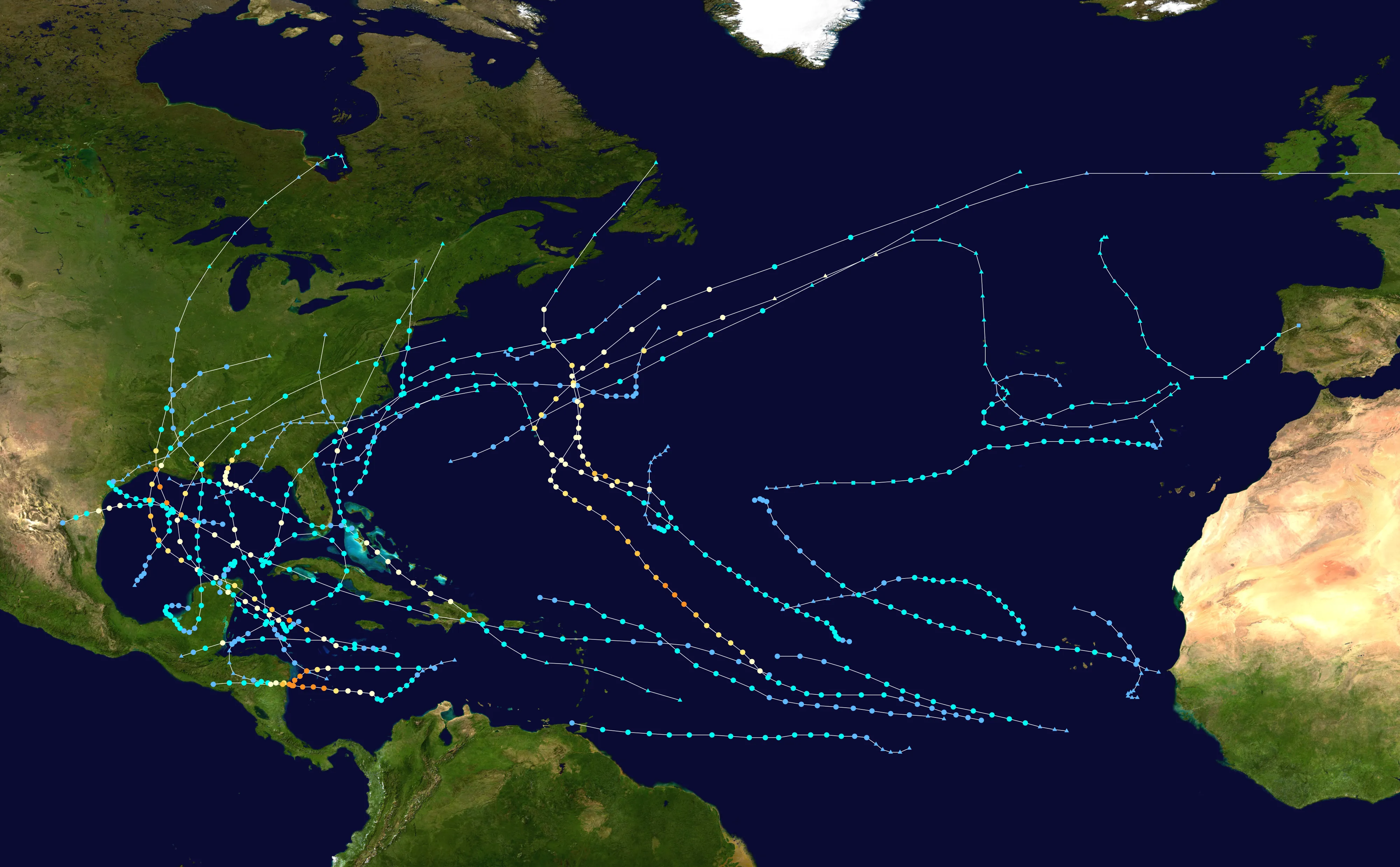
Hurricane Season TrendsHow Activity Has Changed Over 170 Years
Comprehensive analysis of Atlantic hurricane trends over 170 years, examining frequency, intensity, and the influence of climate oscillations and climate change.
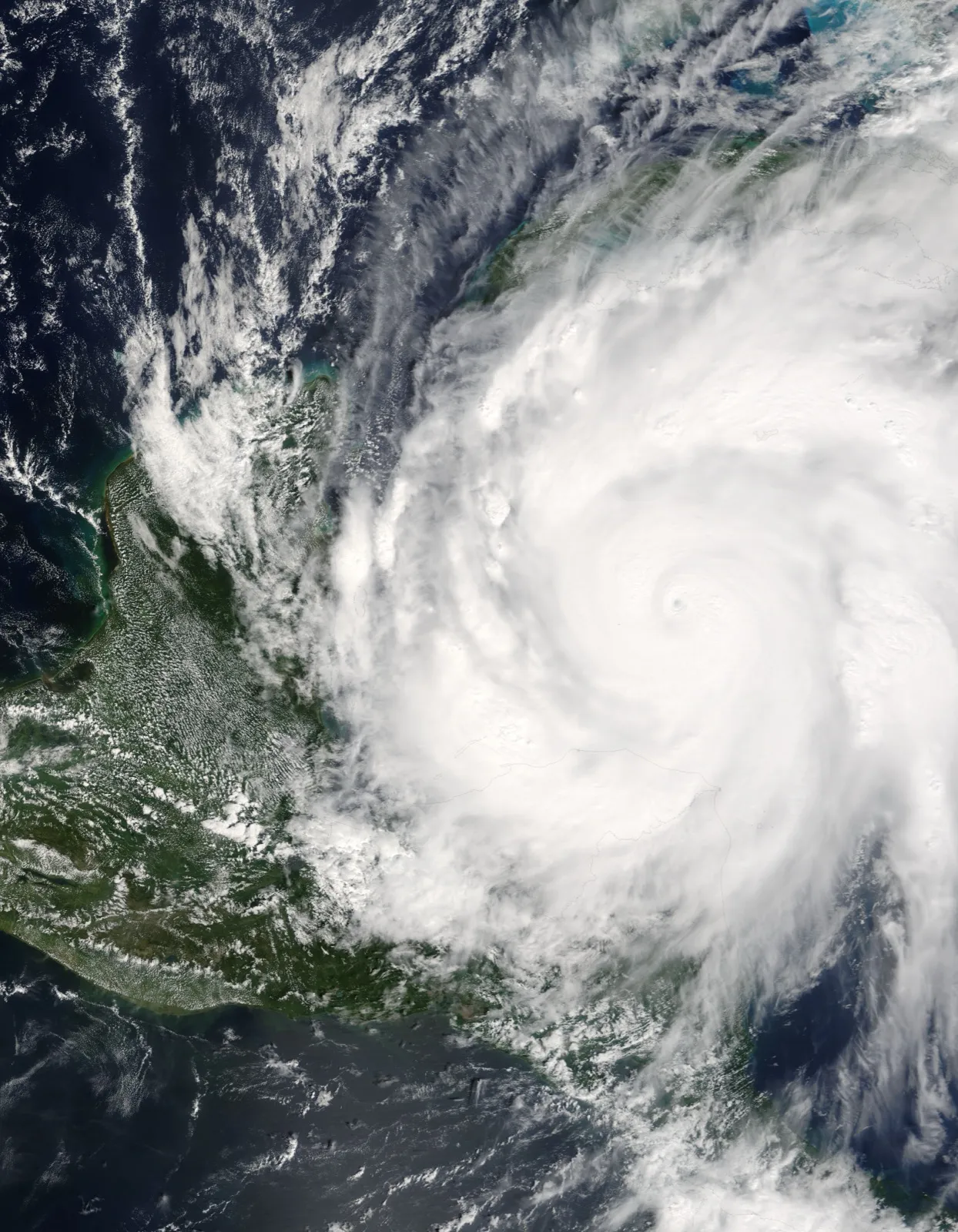
Hurricane Wilma
Explore Hurricane Wilma, the most intense Atlantic hurricane ever recorded at 882 mb, which crossed South Florida in 2005 causing about $21 billion in U.S. damage (2005 dollars) and causing widespread power outages.
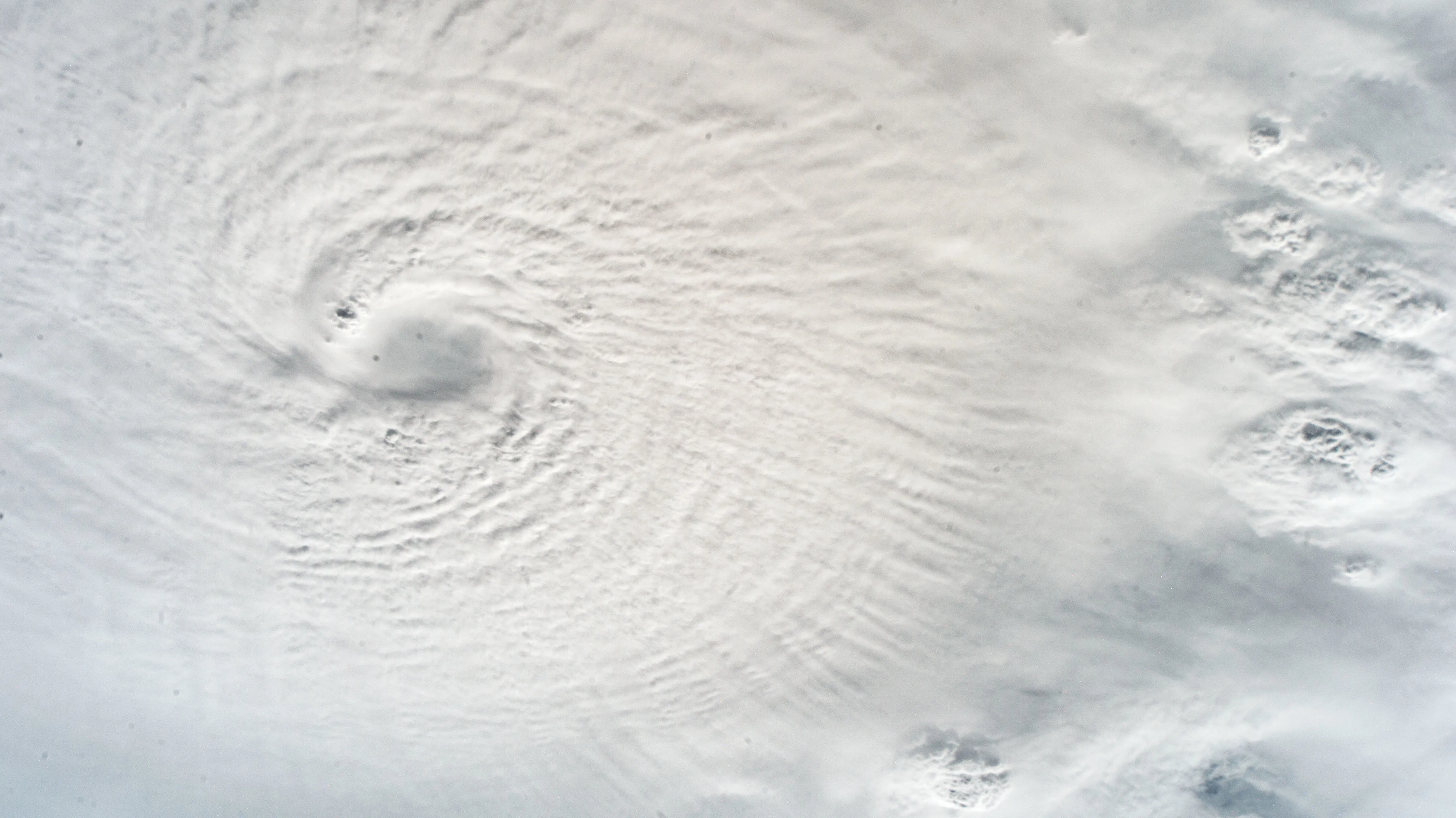
Retired Hurricane NamesWhat They Tell Us
Explore the WMO hurricane naming system, why devastating storms have their names retired, and the cultural significance behind this practice and the history of Atlantic storm naming.
Hurricane Katrina (2005)
Comprehensive history of Hurricane Katrina, the devastating 2005 Category 5 storm that breached New Orleans levees and caused $125 billion in damage.