The United States' deadliest hurricanes and its costliest hurricanes are largely two different lists. The deadliest storms mostly predate modern forecasting, when communities had little or no warning; the costliest are recent, reflecting the enormous growth of coastal wealth.1
The Deadliest U.S. Hurricanes
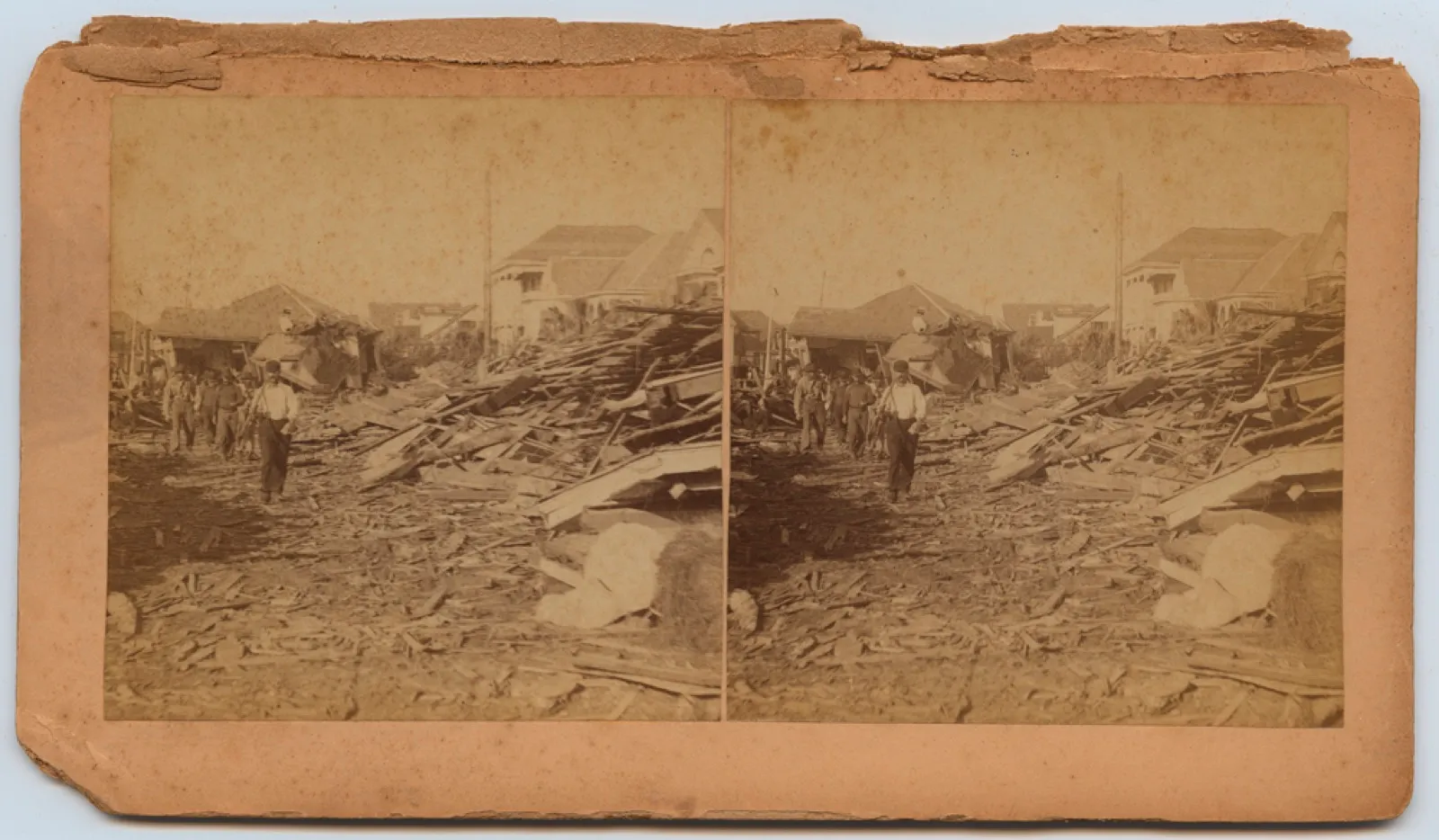
The single deadliest natural disaster in U.S. history remains the Great Galveston Hurricane of 1900, which killed an estimated 6,000 to 12,000 people when storm surge overwhelmed the low-lying Texas island with no effective warning.1 Other historic killers include the 1928 Okeechobee hurricane, which drowned an estimated 2,500 or more in Florida. In the modern era, Hurricane Katrina (2005) has a revised NHC death toll of 1,392, and Hurricane Maria (2017) is associated with an estimated 2,975 excess deaths in Puerto Rico.2 Hurricane Helene (2024), with a revised NHC total of 250 deaths, was the deadliest to strike the contiguous U.S. since Katrina.3
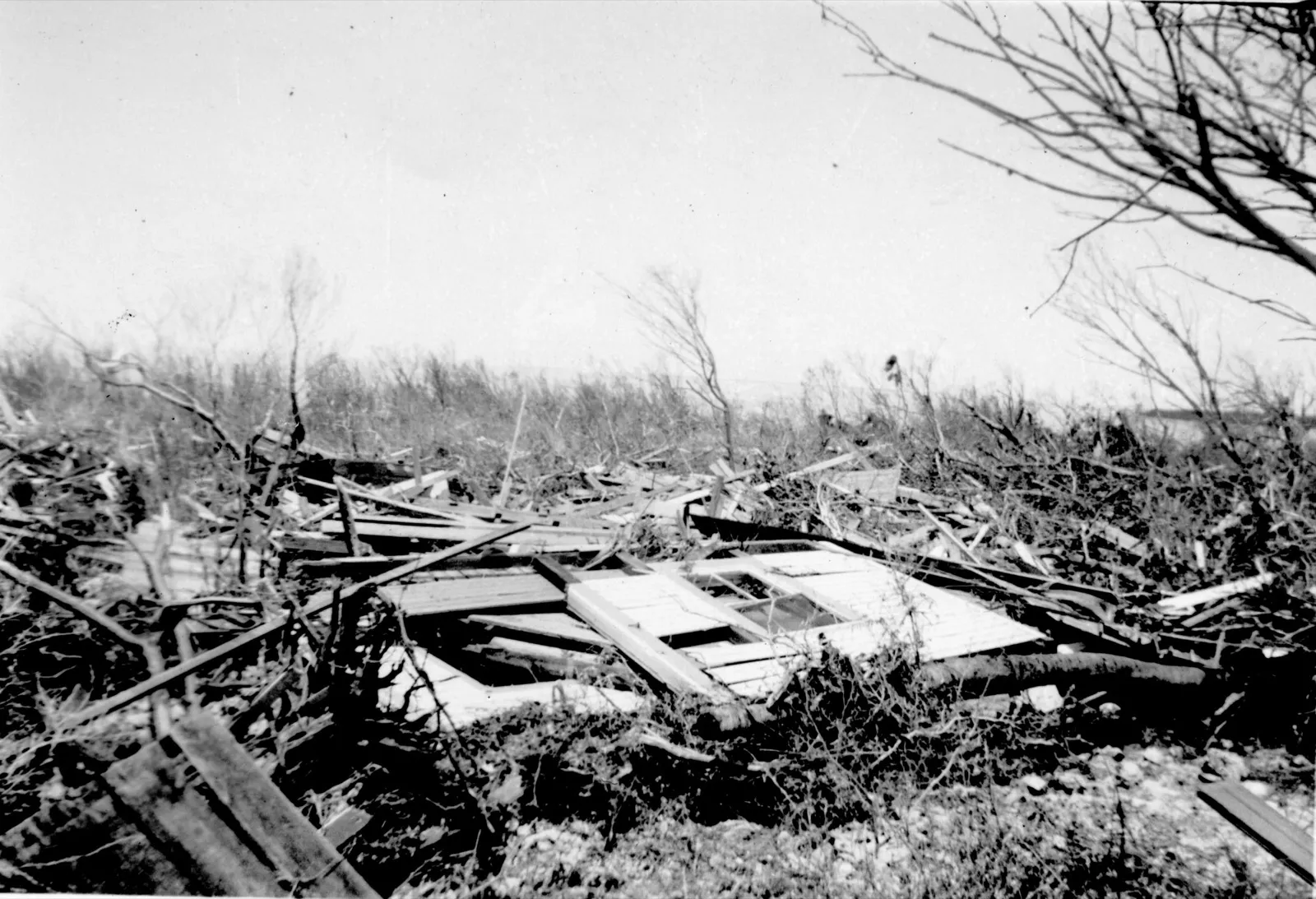
Historic disasters combined severe hazards with limited warning, transport, and protection. Warning availability differed between events and did not guarantee that residents could act.
The old death tolls are estimates, and wide ones. Galveston's is usually given as 6,000 to 12,000 because no one could count the dead scattered along the coast or carried out to sea, and when we work with the historical record, those early figures have to be treated as ranges rather than points.
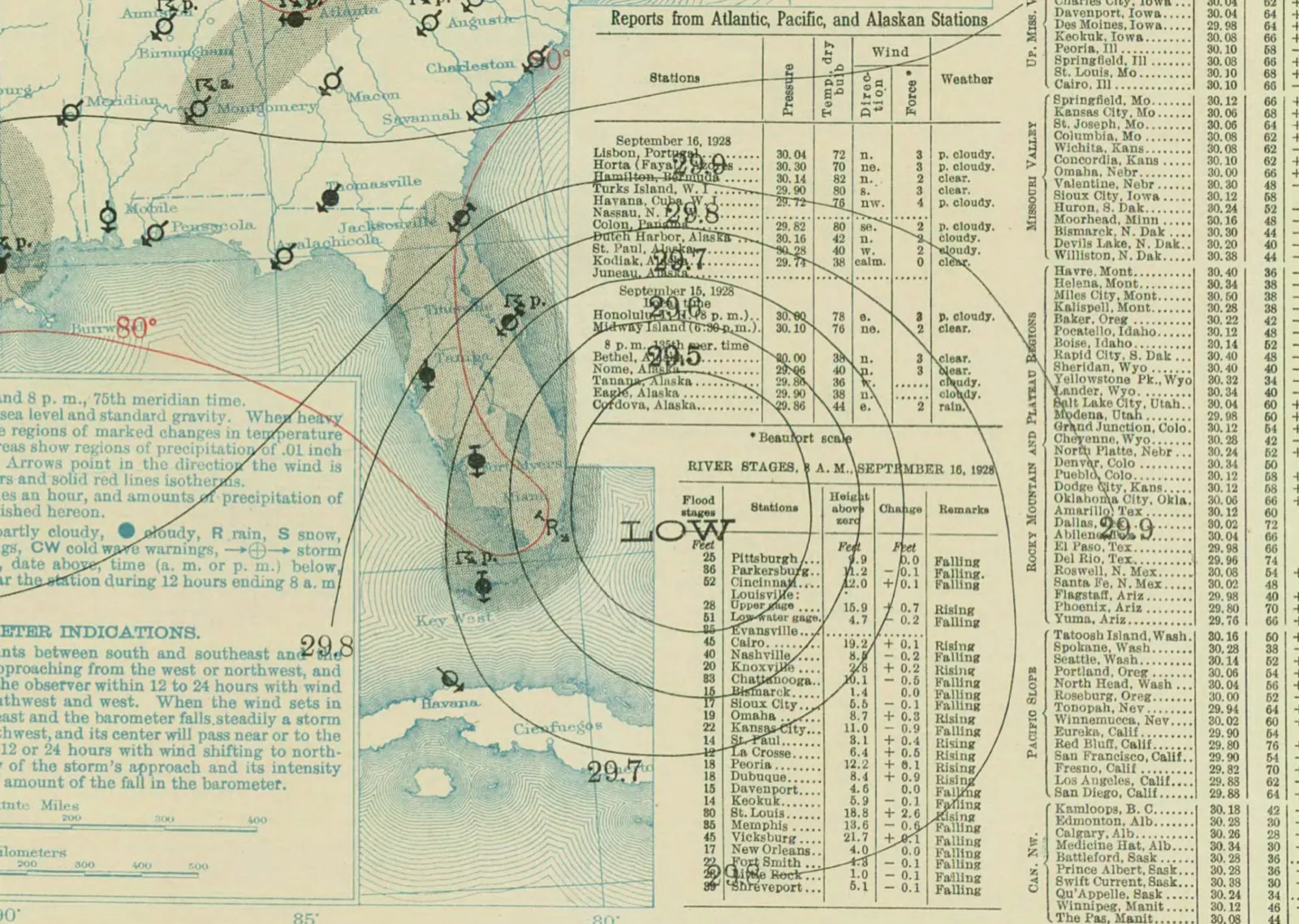
The long-term decline in hurricane death tolls, punctuated by tragic exceptions, reflects the success of satellite monitoring, aircraft reconnaissance, organized warnings, and evacuation. Today most hurricane deaths come from water (storm surge and inland flooding) rather than wind.2
The Costliest U.S. Hurricanes
Katrina and Harvey each have NHC U.S. damage estimates of $125 billion in their respective event-year dollars, 2005 and 2017. Inflation makes these unequal in purchasing power. Ian’s estimate is $112.9 billion in 2022 dollars and Maria’s is $90 billion in 2017 dollars for Puerto Rico and the U.S. Virgin Islands. A ranking requires a common price year and consistent geographic scope.2
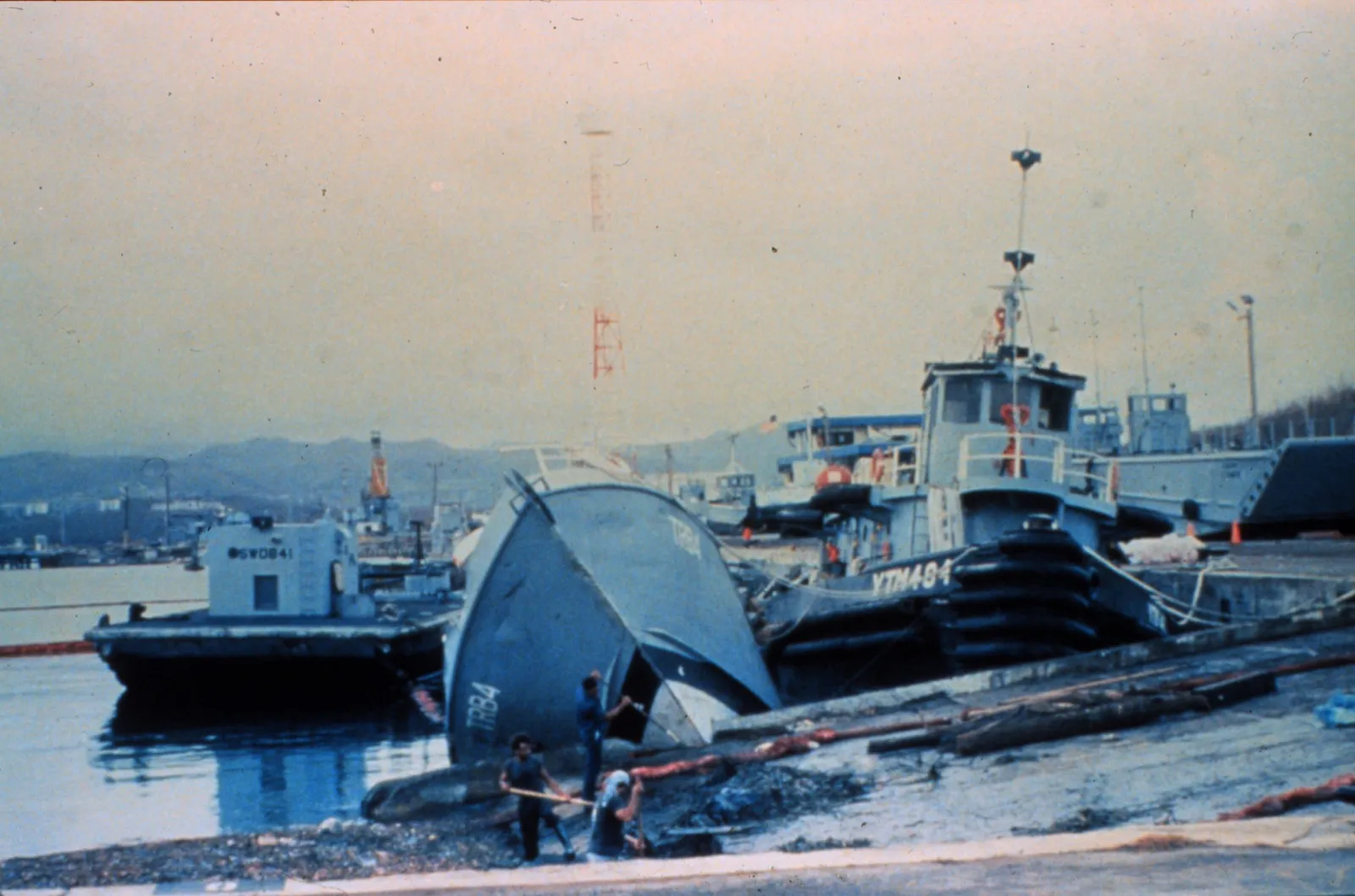
This concentration reflects the steep rise in coastal population and property values: the same storm causes far greater losses today than it would have generations ago.
Andrew (1992) remains an important benchmark. Inflation adjustment changes purchasing power; loss normalization additionally considers exposure and wealth. They are different calculations, so a CPI-adjusted ranking does not estimate what an old storm would destroy if repeated today.
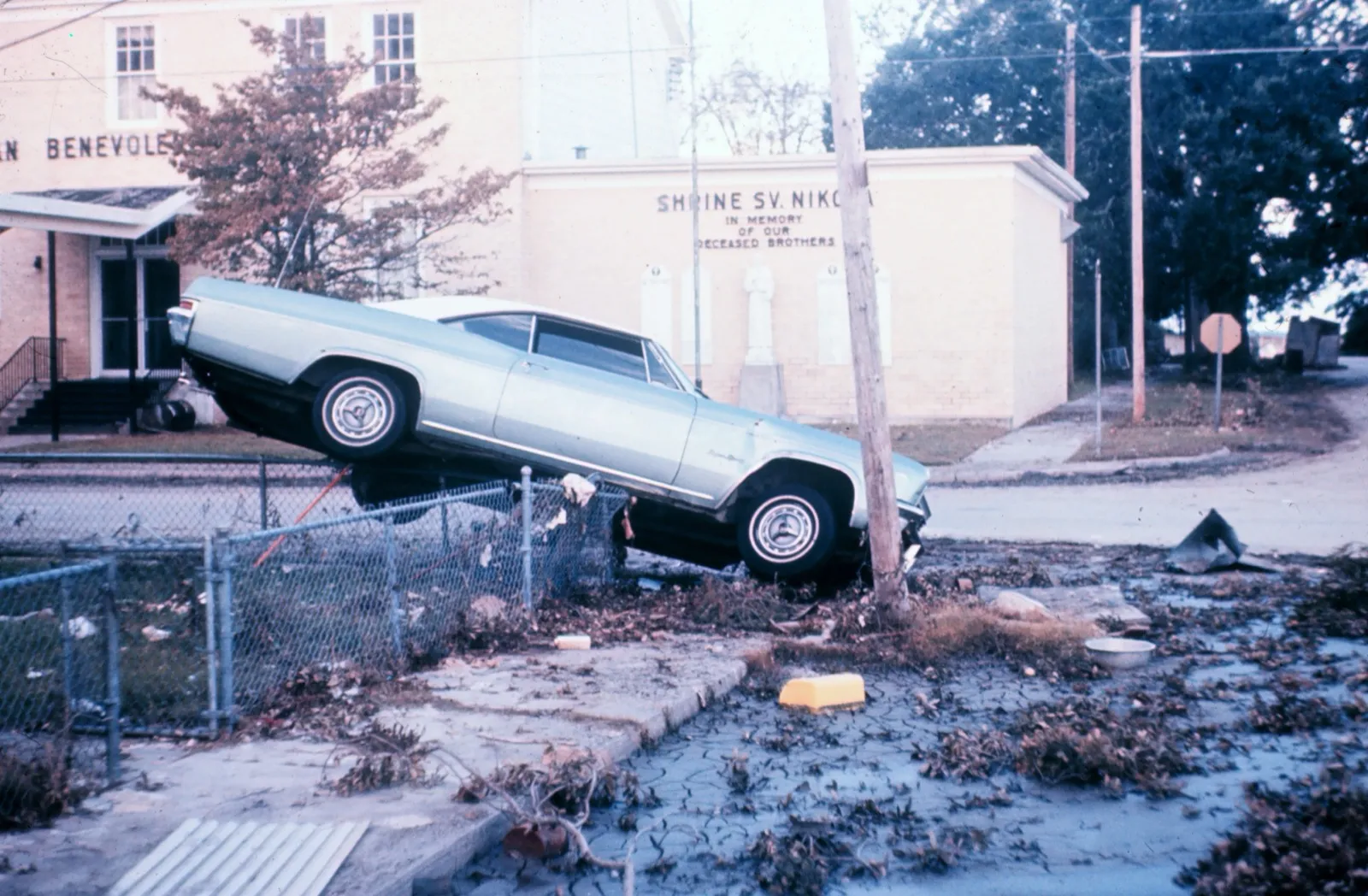
Why the Two Lists Barely Overlap
Warnings, evacuation, shelters, building standards, and land-use decisions can reduce losses. The human toll also depends on exposure, healthcare, infrastructure, and the hazard itself; monetary rankings are not rankings of danger to life.
Sources
-
Blake, E. S., & Gibney, E. J. (2011). The Deadliest, Costliest, and Most Intense United States Tropical Cyclones from 1851 to 2010 (NOAA Technical Memorandum NWS NHC-6). National Hurricane Center. https://www.nhc.noaa.gov/pdf/nws-nhc-6.pdf ↩ ↩2
-
National Hurricane Center. Tropical Cyclone Reports. NOAA. https://www.nhc.noaa.gov/data/tcr/ ↩ ↩2 ↩3
-
NOAA National Centers for Environmental Information. U.S. Billion-Dollar Weather and Climate Disasters. https://www.ncei.noaa.gov/access/billions/ ↩