Hurricane Hazards
Storm surge, rainfall flooding, destructive winds, tornadoes, and coastal erosion: how these hazards form and where to find preparedness guidance.
An introduction to this topic
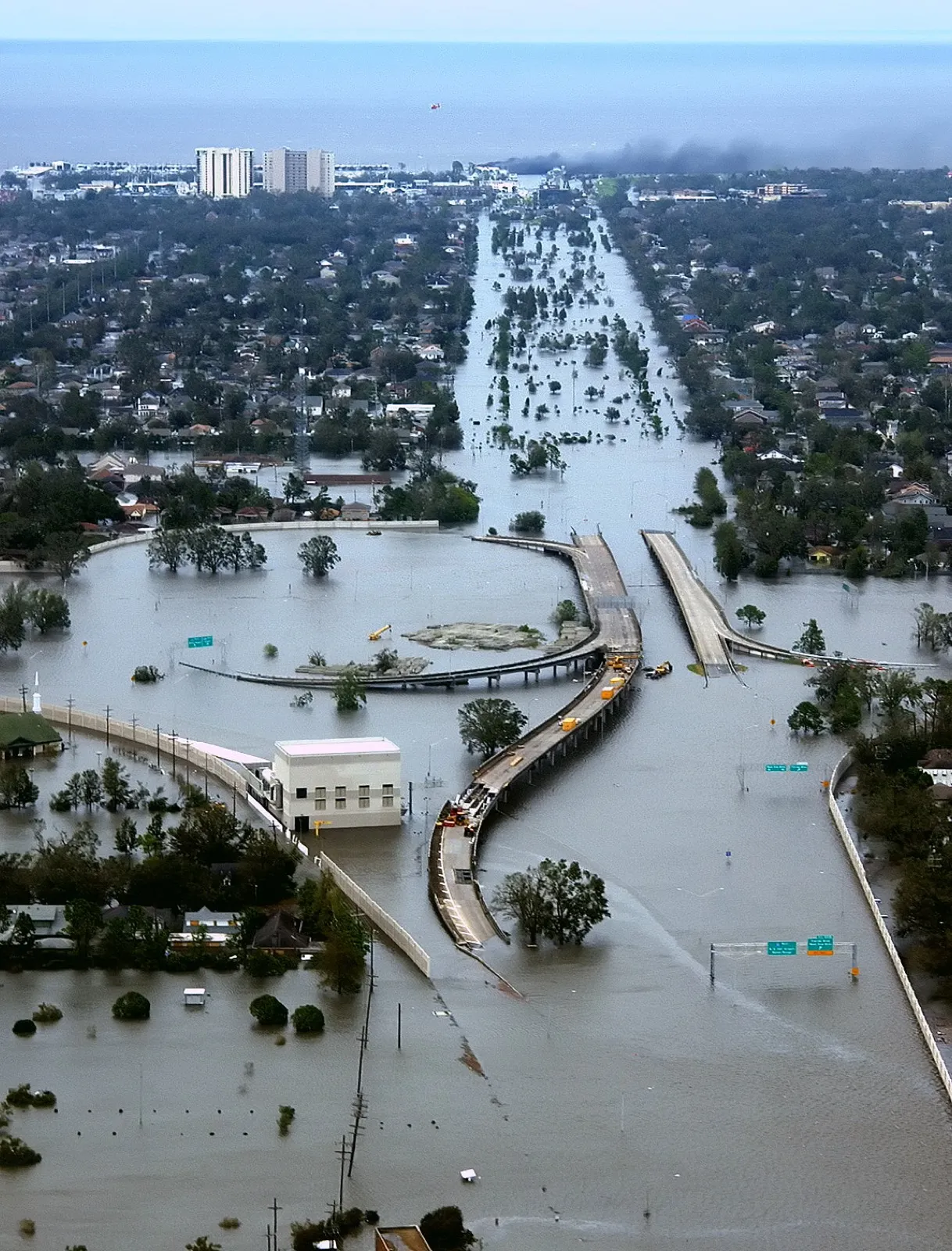 U.S. Coast Guard · Public domain
 Storm Surge Mechanics: The Deadliest Hurricane Hazard
Storm surge kills more people than any other hurricane hazard. This is a complete explainer on how it forms, what controls its height, and what it means for coastal communities.
Read the guide →Compound Flooding: When Surge, Rain, and Rivers Collide
Compound flooding occurs when storm surge, heavy rainfall, swollen rivers, and high tide hit together during a hurricane, potentially increasing flooding compared with individual drivers.
Hurricane Rainfall
The science of how hurricanes produce rain and what controls how much falls: tropical moisture, the warm core, forward speed, stalling, and terrain.
Hurricane Rip Currents: The Hazard That Reaches Far From Landfall
Distant hurricanes send long-period swell hundreds of miles to sunny beaches, where rip currents become a leading surf-zone killer. How to spot and escape them.
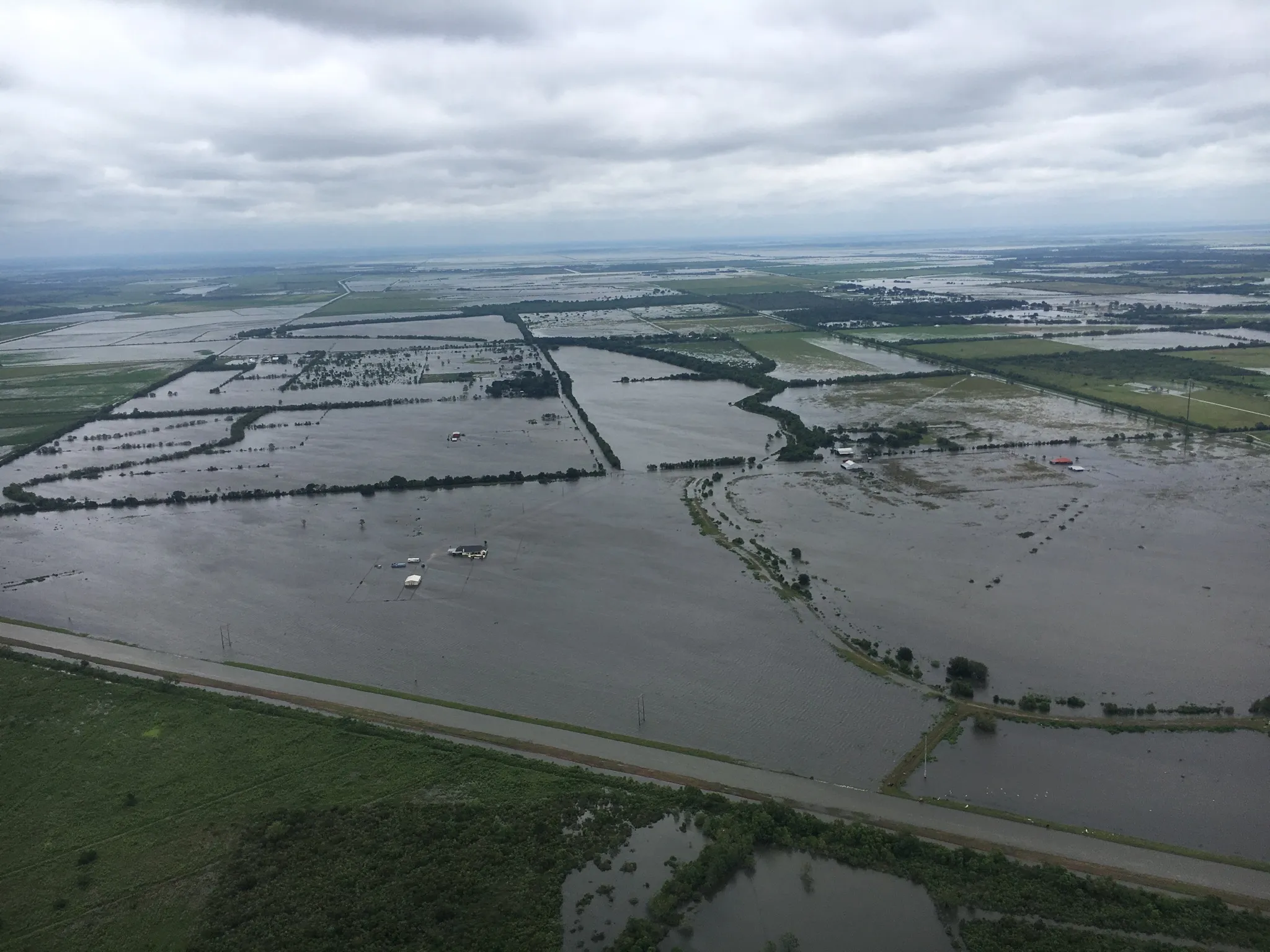
Tropical Cyclone Rainfall & Inland Flooding
How tropical cyclones produce extreme rainfall and inland freshwater flooding. Learn about the factors that determine flood risk and how to protect yourself from hurricane rainfall hazards.
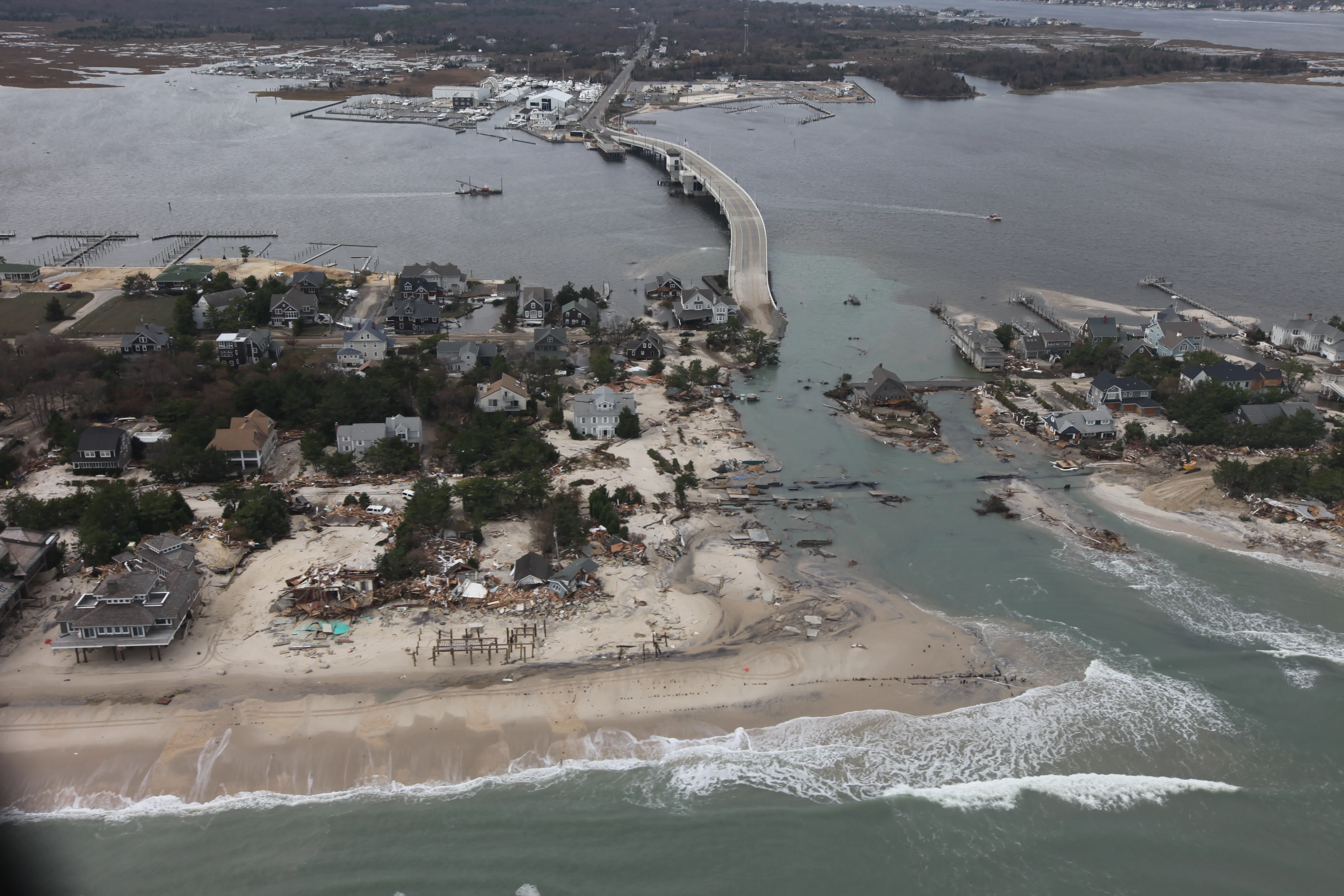
Hurricane Waves & Coastal Erosion
How hurricane waves form, how extreme offshore waves are measured, and how they combine with storm surge to reshape coastal barriers and beaches.