Hurricane Basics
Learn how hurricanes form, strengthen, and weaken, and how scientists describe their winds and structure.
An introduction to this topic
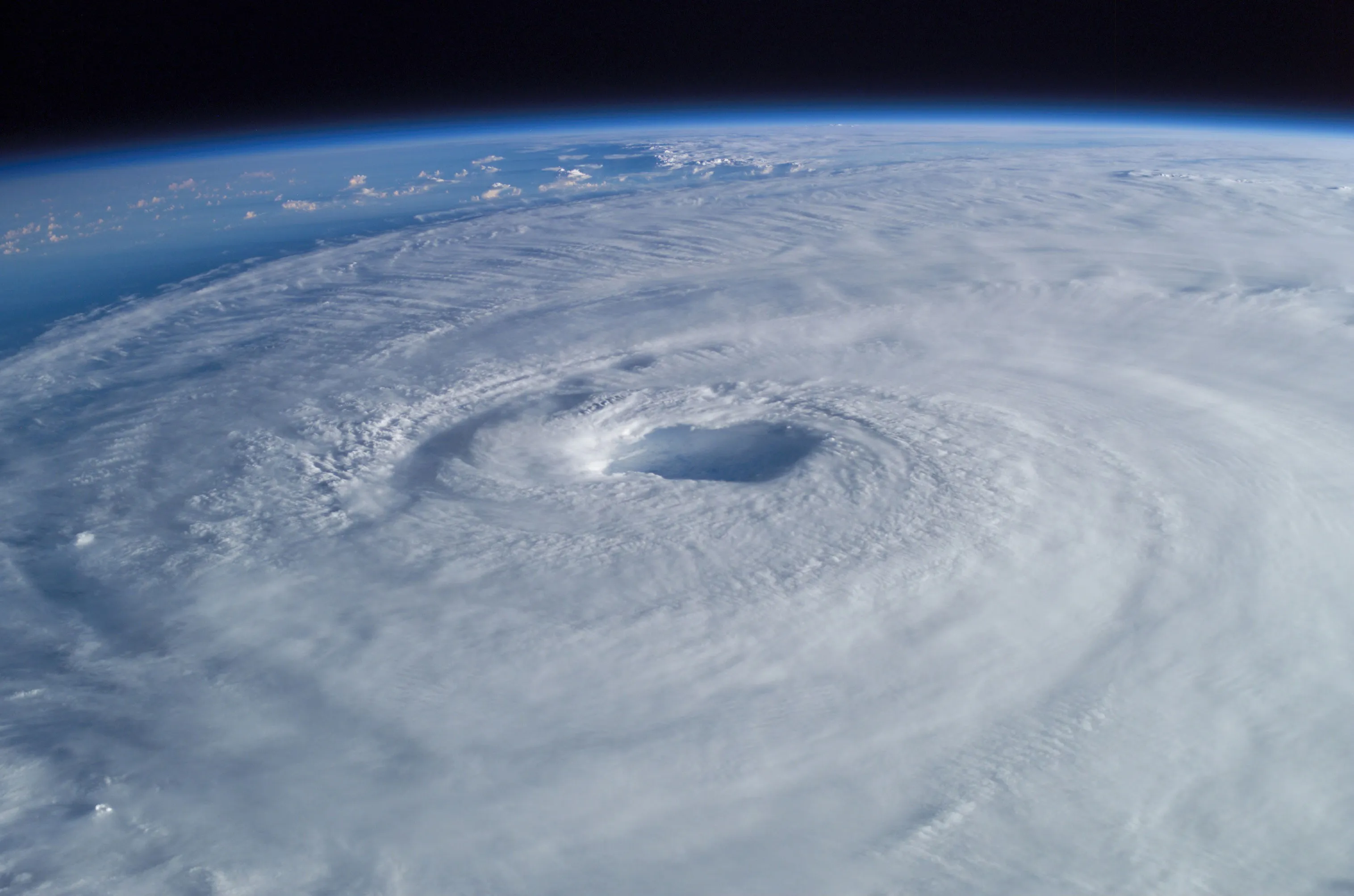 NASA · Public domain
 The Complete Guide to Hurricanes
Start with how hurricanes develop, how their winds are classified, and why their hazards extend beyond the category.
Read the guide →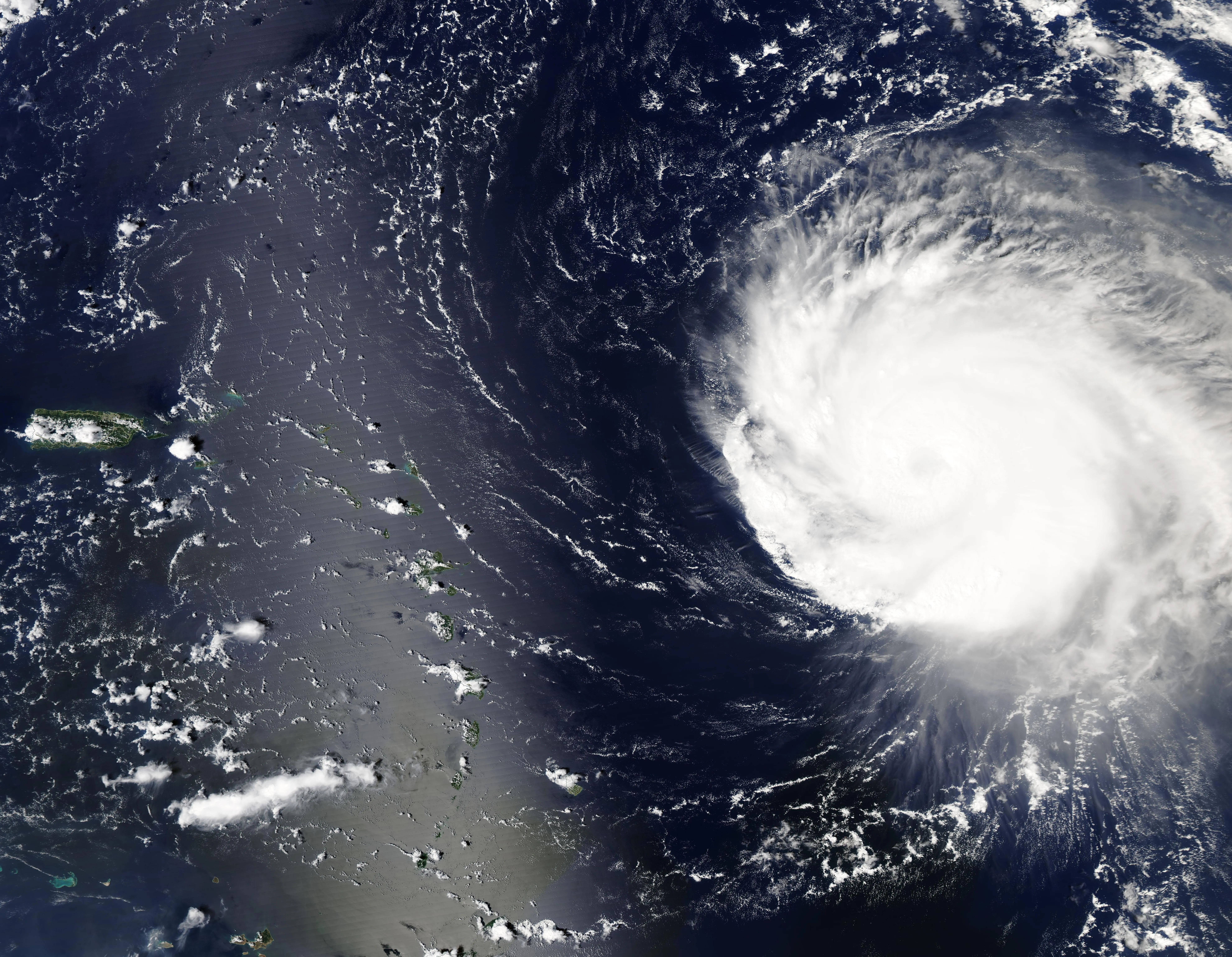
The Classification System: From Depression to Category 5
How tropical cyclones are classified from tropical disturbance through Category 5 hurricane, including the criteria meteorologists use and how naming works.
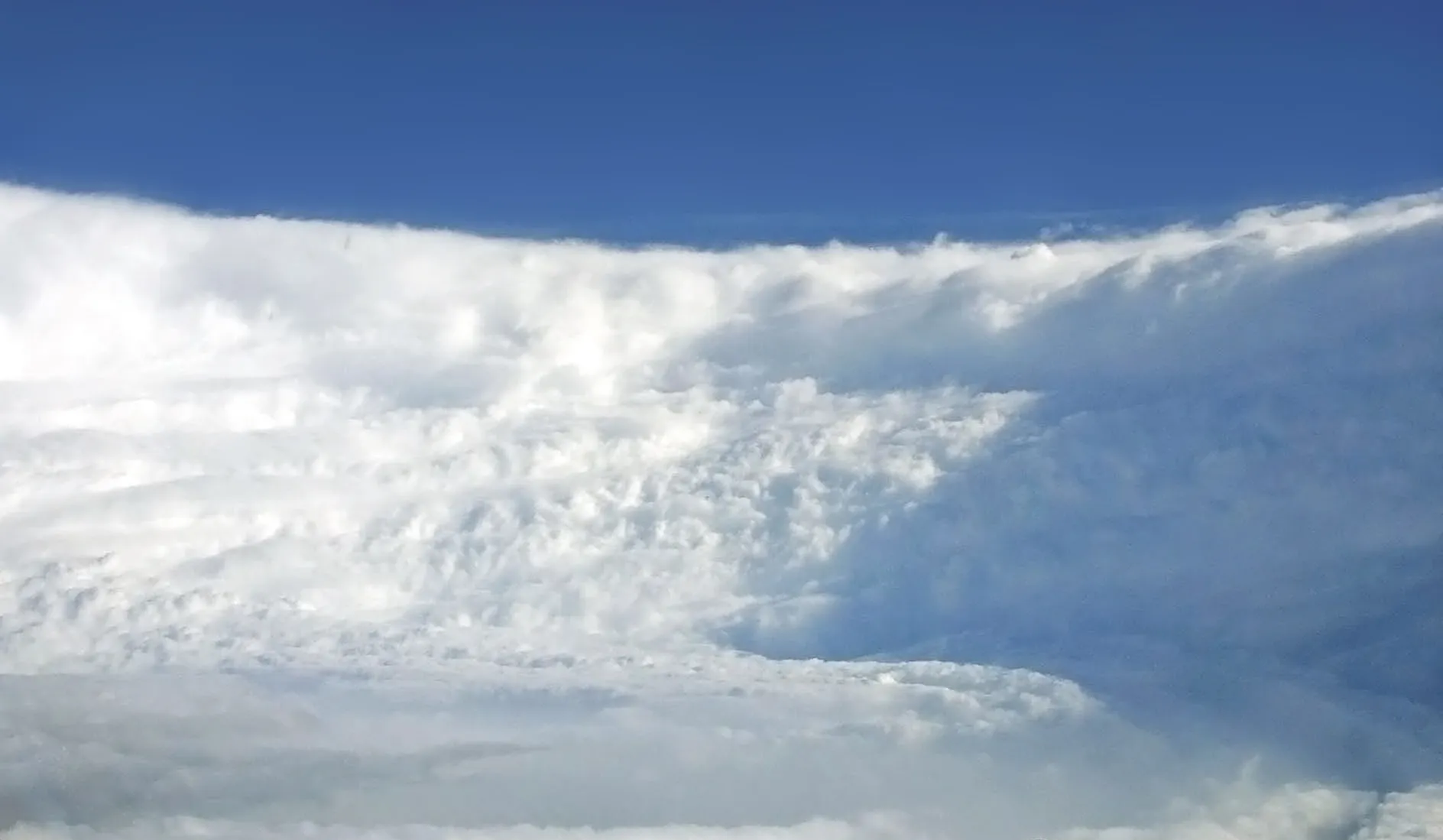
Eyewall Dynamics and Rapid Intensification
How the eyewall drives hurricane intensity, why eyewall replacement cycles occur, and the science behind rapid intensification.
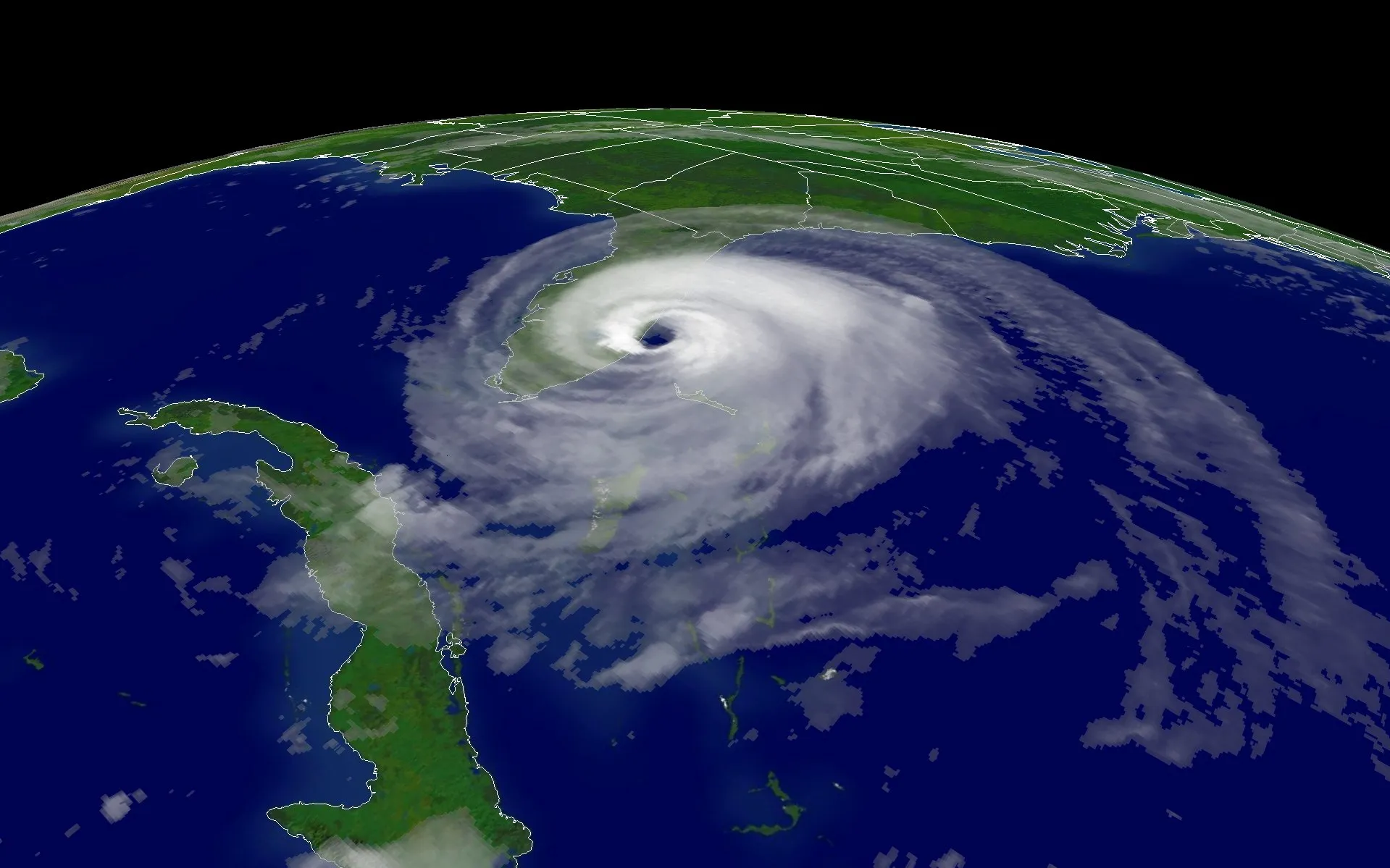
How Hurricanes Die: Landfall, Shear, and Transition
What causes hurricanes to weaken and die: landfall, wind shear, cool water, dry air, and extratropical transition explained in plain language.
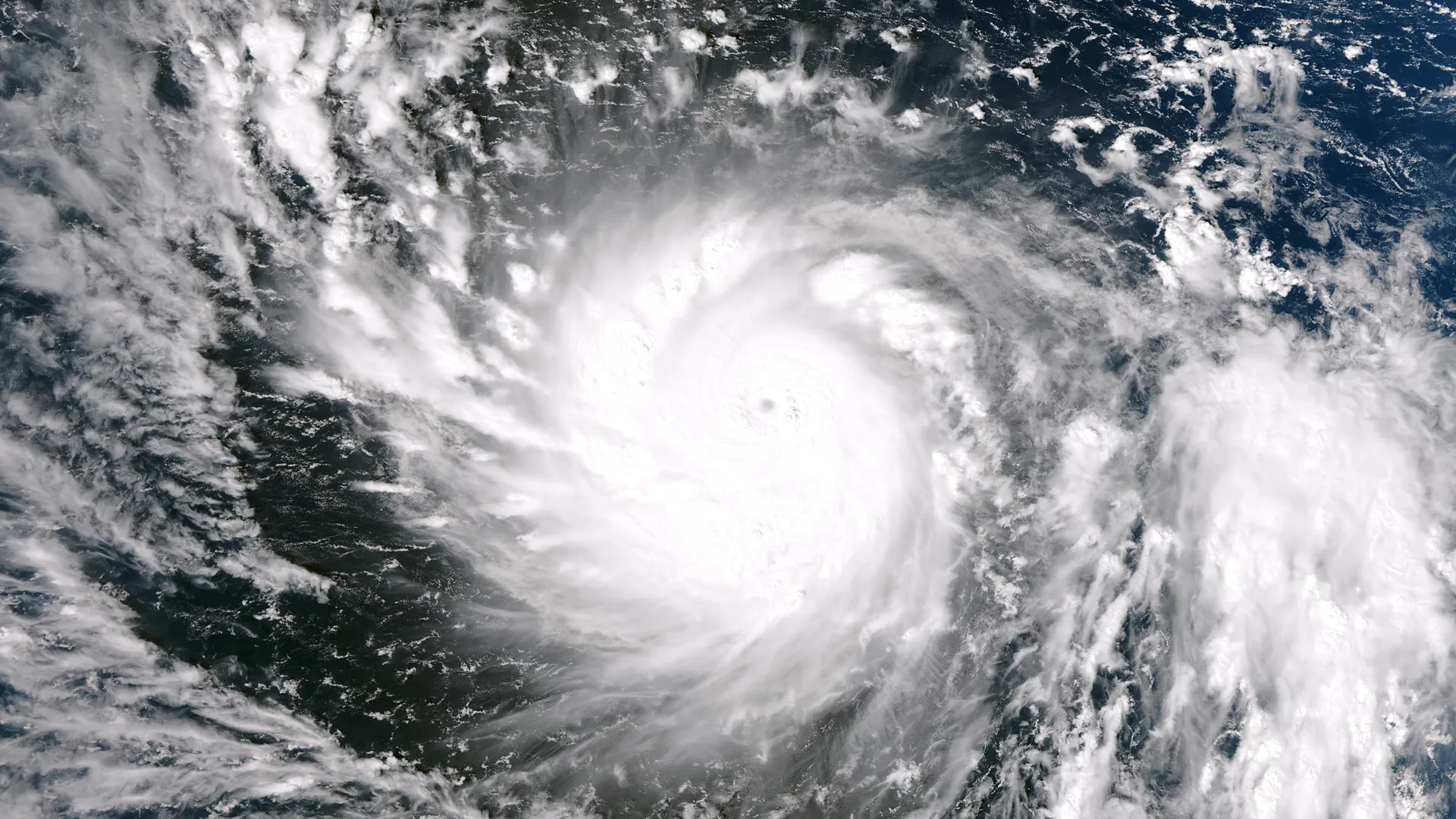
Hurricane vs. Typhoon vs. Cyclone: Understanding the Difference
Are hurricanes, typhoons, and cyclones different storms? They are the same weather phenomenon with different names depending on where they form.
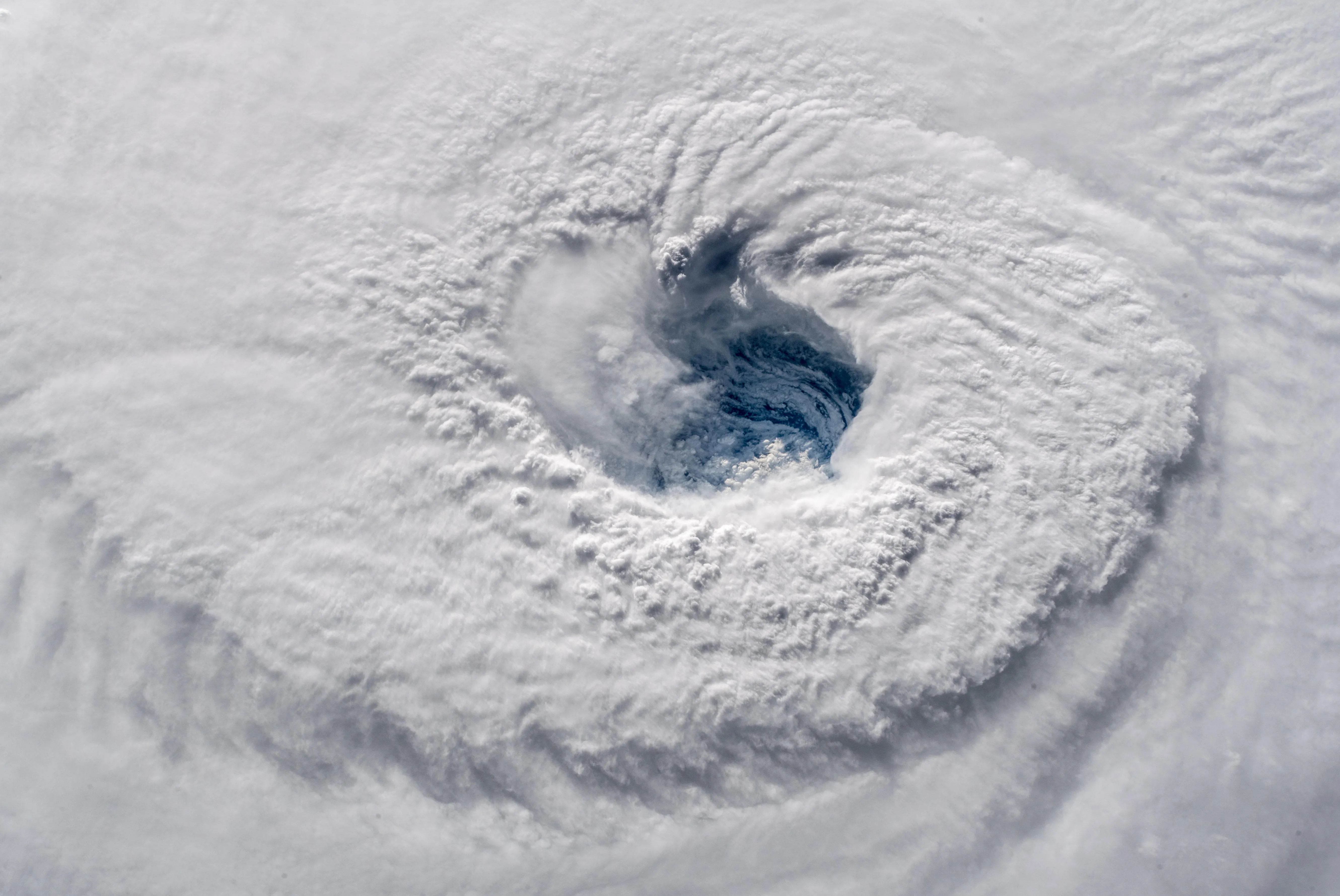
Rainbands, Wind Fields, and the Anatomy of a Storm
A structural tour of hurricane anatomy: the eye, eyewall, rainbands, wind field geometry, and what each component means for communities in a storm
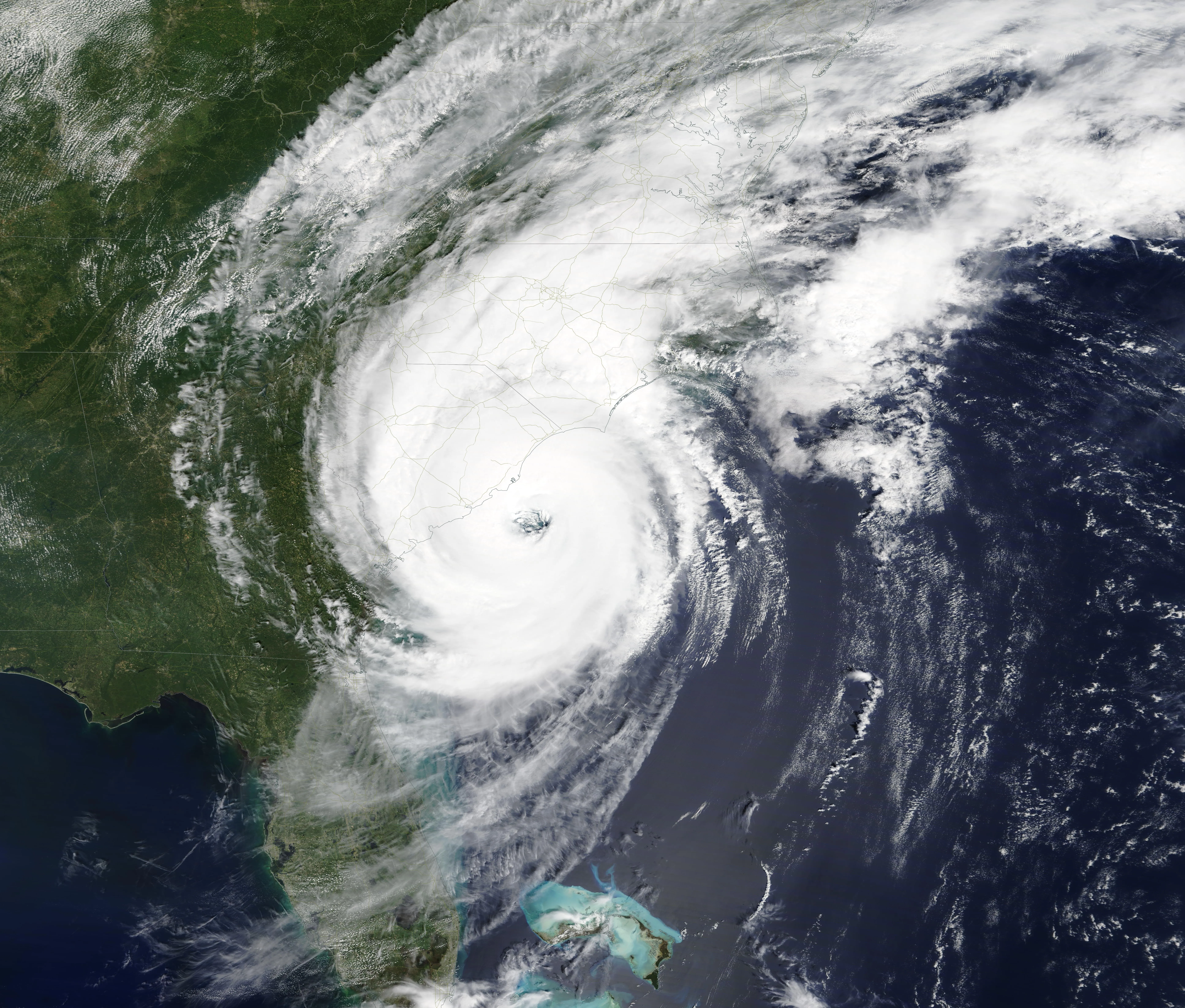
The Saffir-Simpson Scale: What Each Category Really Means
A complete guide to the Saffir-Simpson Hurricane Wind Scale: what each category means, the history, limitations, and the Category 6 debate.
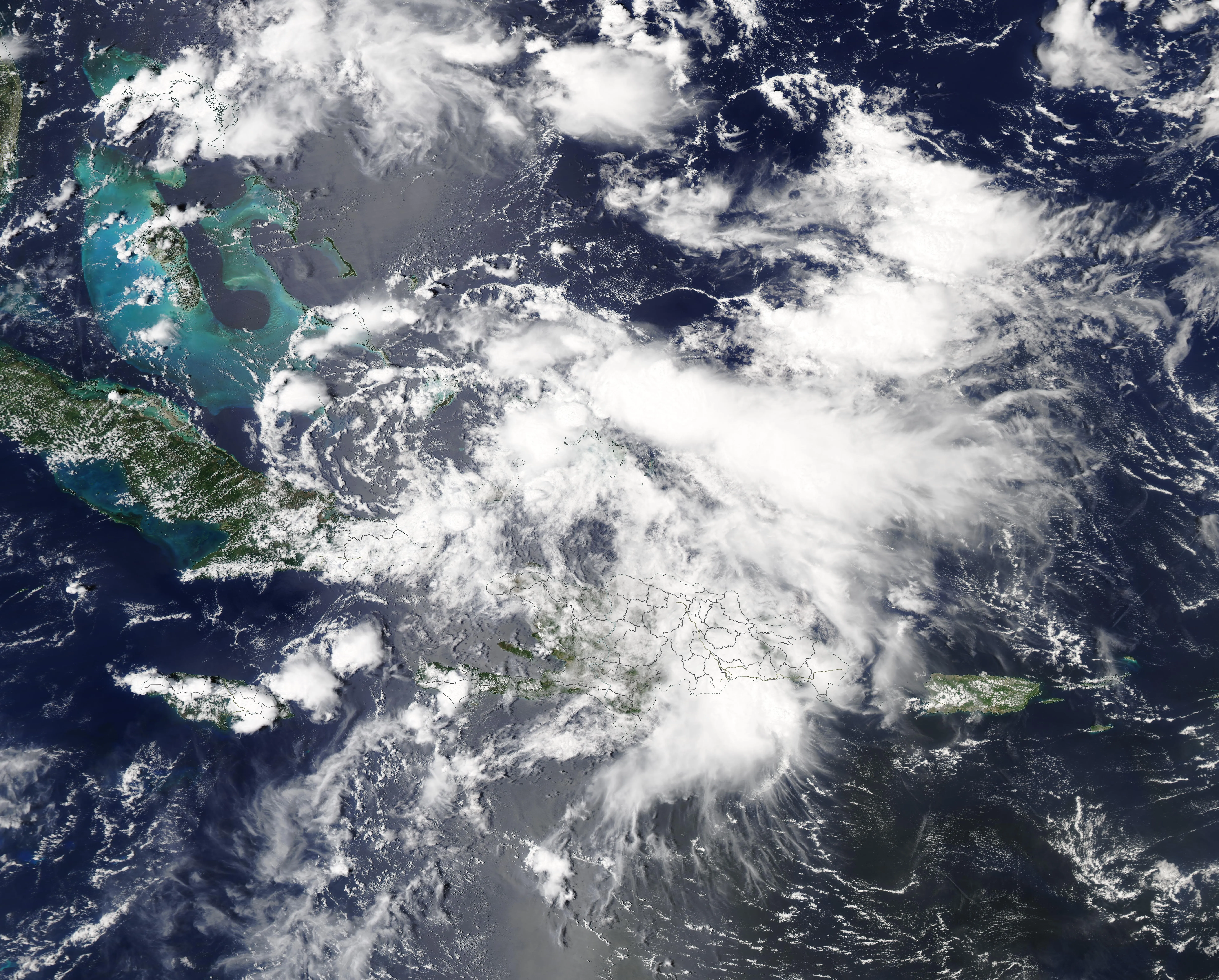
How Do Hurricanes Form? A Visual Explainer
Hurricanes are heat engines, and they form when favorable oceanic and atmospheric conditions allow a circulation to organize. This explainer covers those conditions and the stages a storm passes through from disturbance to hurricane.