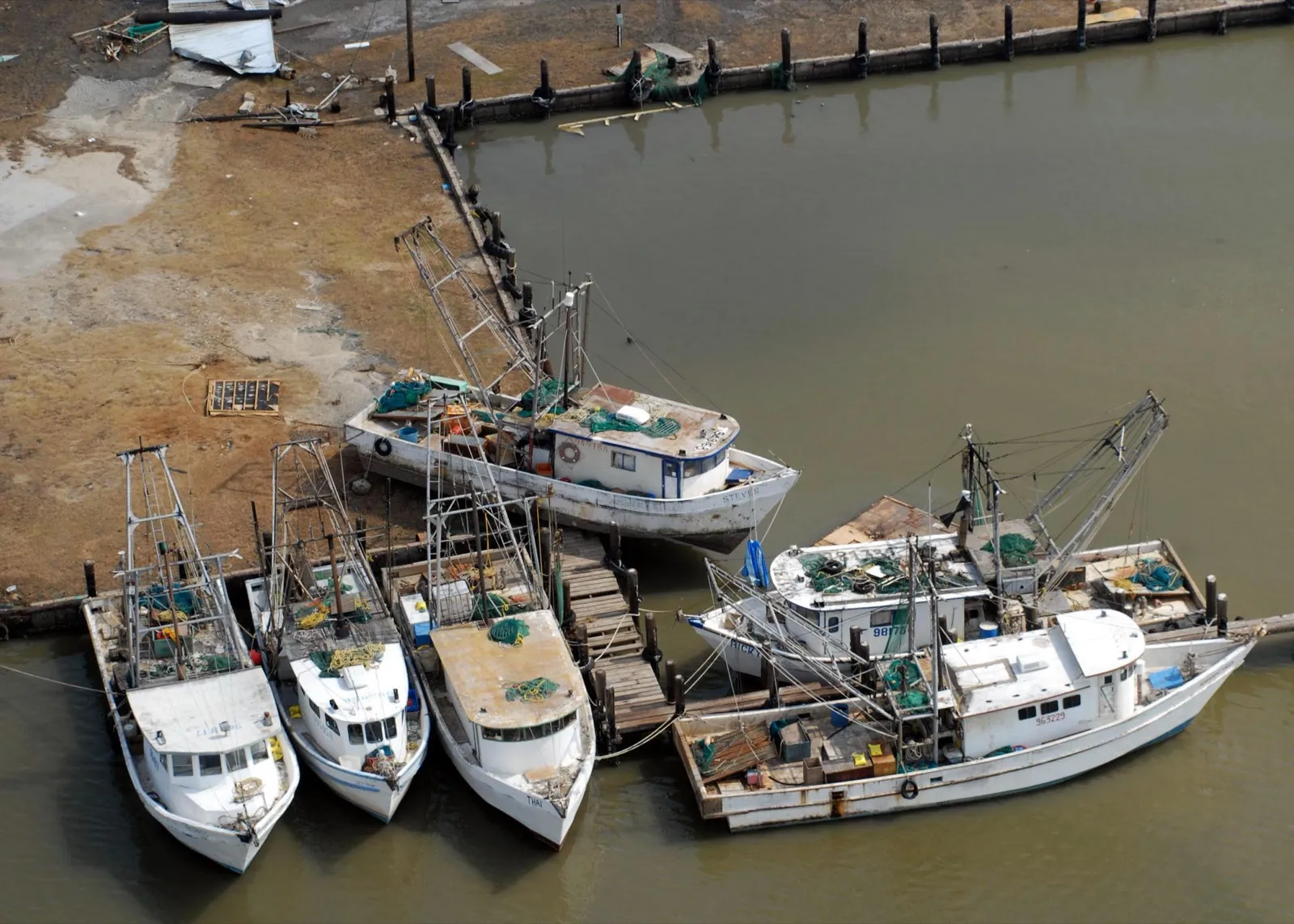
Hurricane Ike was one of the largest and costliest Atlantic hurricanes on record. Although it came ashore near Galveston, Texas, as a Category 2 in September 2008, its enormous size drove a catastrophic storm surge and inflicted damage far out of proportion to its category, a textbook case of why a hurricane's size matters as much as its wind speed.
Meteorological History
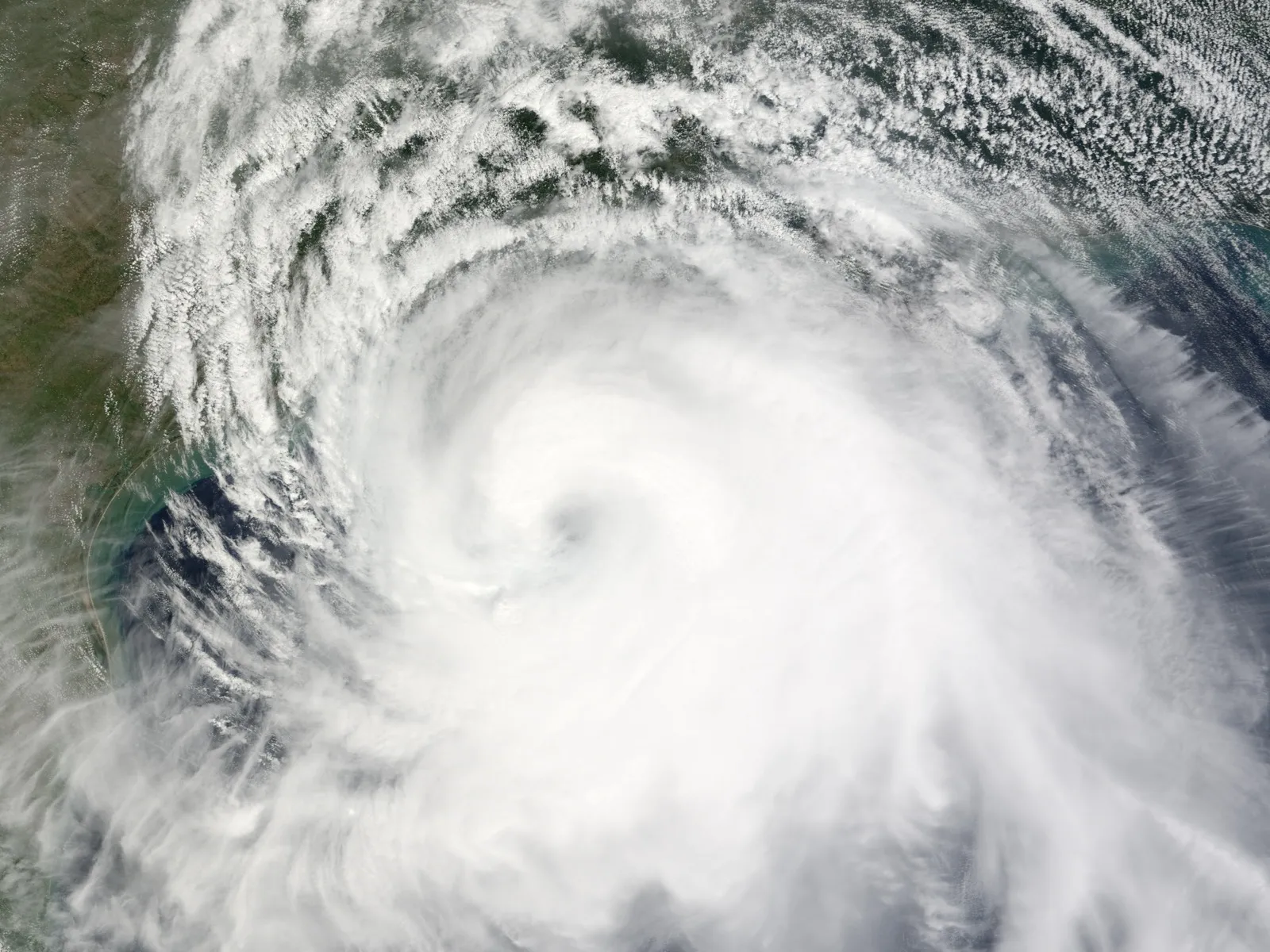
Ike was a long-lived Cape Verde hurricane that reached Category 4 intensity over the open Atlantic before tracking through the Turks and Caicos, the Bahamas, and Cuba.1 It then crossed the Gulf of Mexico and made landfall at Galveston, Texas, on September 13, 2008, at the upper end of Category 2 with sustained winds near 110 mph (175 km/h).1
Before reaching Texas, Ike was already a deadly Caribbean storm. Its rains killed dozens of people in Haiti, and in Cuba it damaged or destroyed more than 300,000 homes, becoming the costliest hurricane in that nation's history at the time, while battering Grand Turk and the rest of the Turks and Caicos.1
A Giant Storm and Its Surge
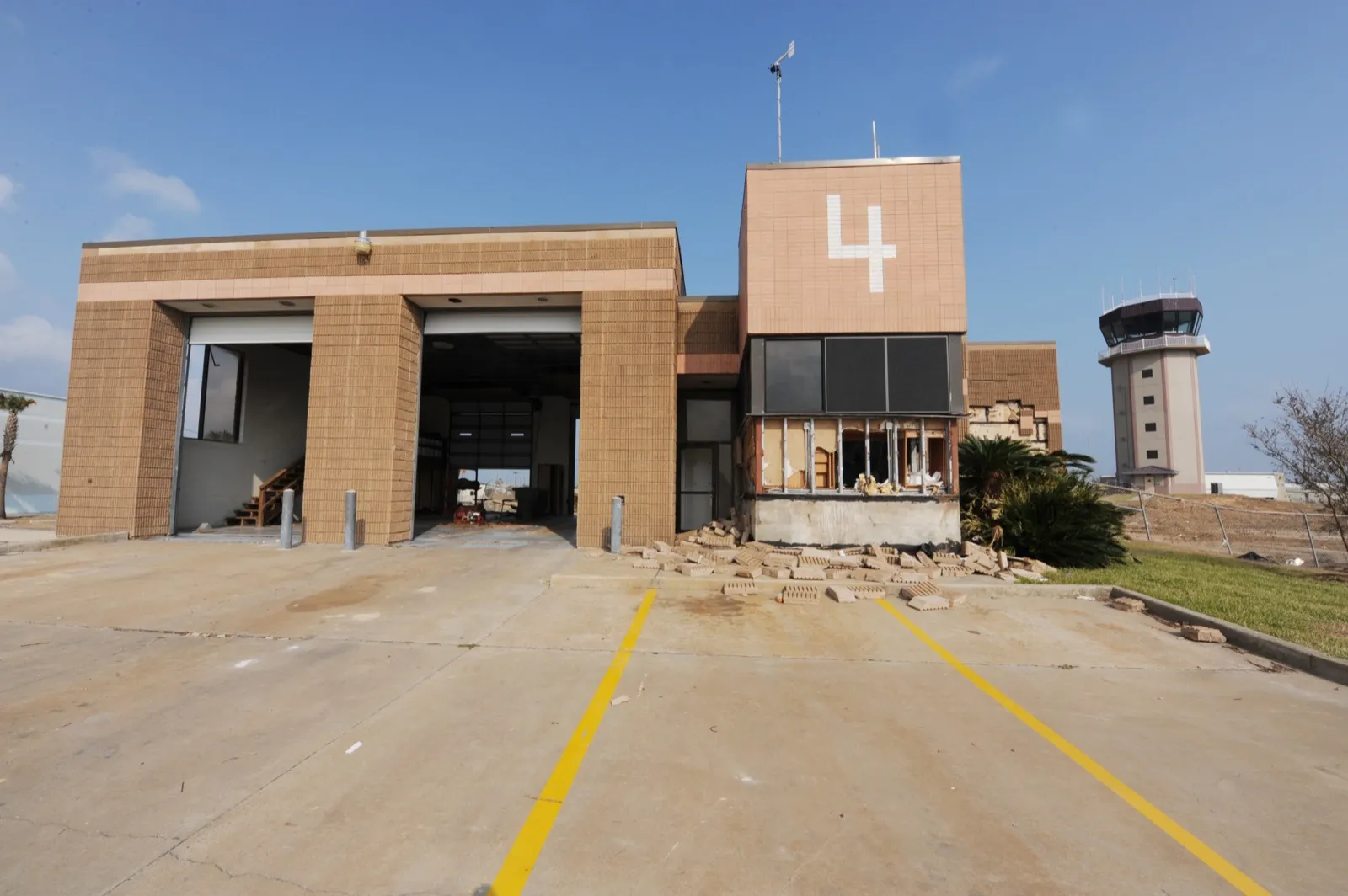
Ike's defining feature was its size: tropical-storm- and hurricane-force winds spanned an exceptionally broad area, and that vast wind field pushed water toward the upper Texas coast for more than a day before the center arrived.1 The result was a devastating storm surge across the Bolivar Peninsula and Galveston Island that destroyed thousands of structures and penetrated far inland. The surge, not the winds, caused the bulk of the destruction.
Ike shows why a hurricane’s category cannot describe all its hazards. Category measures the peak wind at the core; it says nothing about how wide the wind field is, and surge is driven as much by the size of that field and the hours it blows onshore as by the peak gust. Ike’s extensive surge damage illustrates that gap.
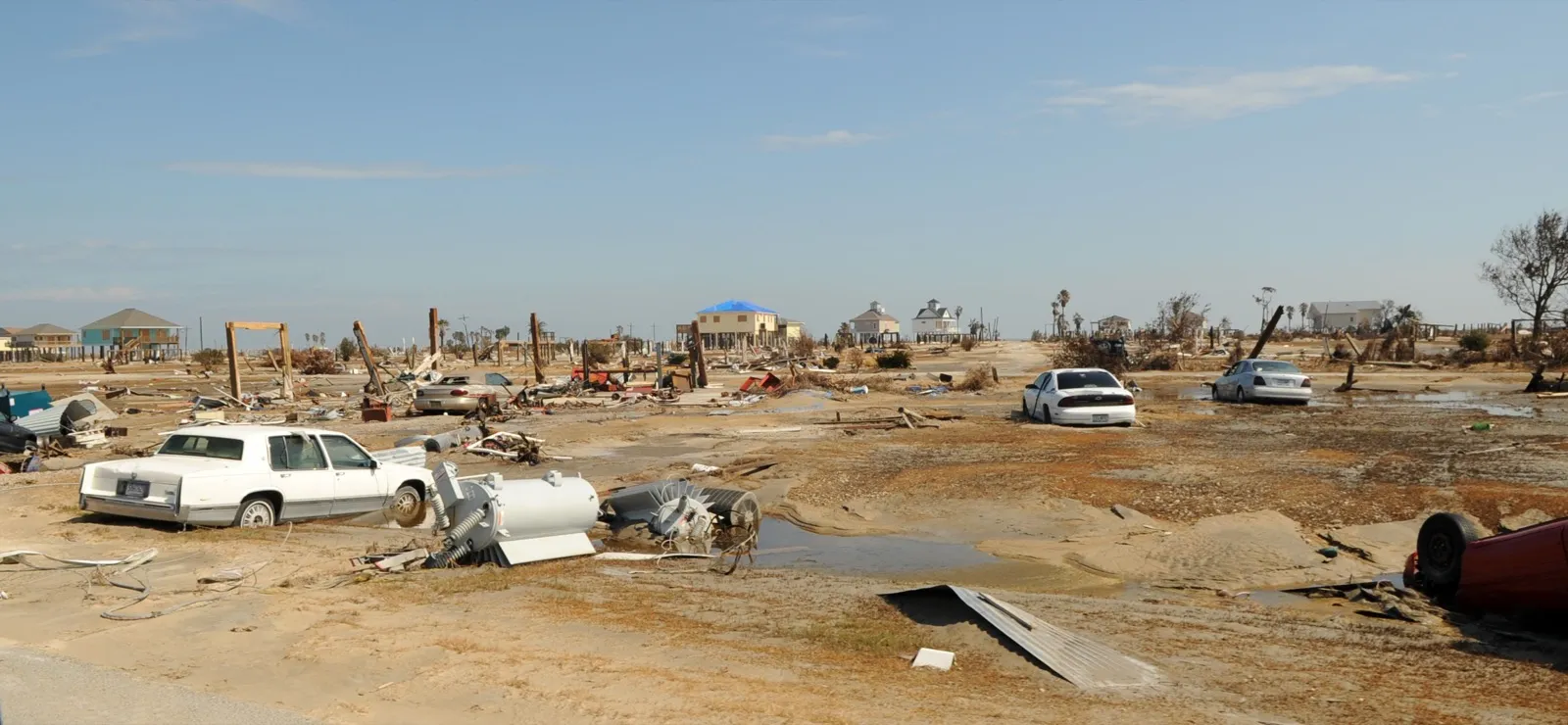
On the Bolivar Peninsula, which took the brunt of Ike's powerful right-front quadrant, surge topped 12 feet (3.7 m) and erased entire communities: the town of Gilchrist was almost completely swept away, and many homes on the peninsula were lost.1 Galveston’s seawall protected much of the city from direct Gulf-side surge and waves, but surge from Galveston Bay flooded the city. The threat was so dire that, the day before landfall, the National Weather Service warned that people in single-story homes in parts of the surge zone faced "certain death" if they did not evacuate.1
Toll and Aftermath
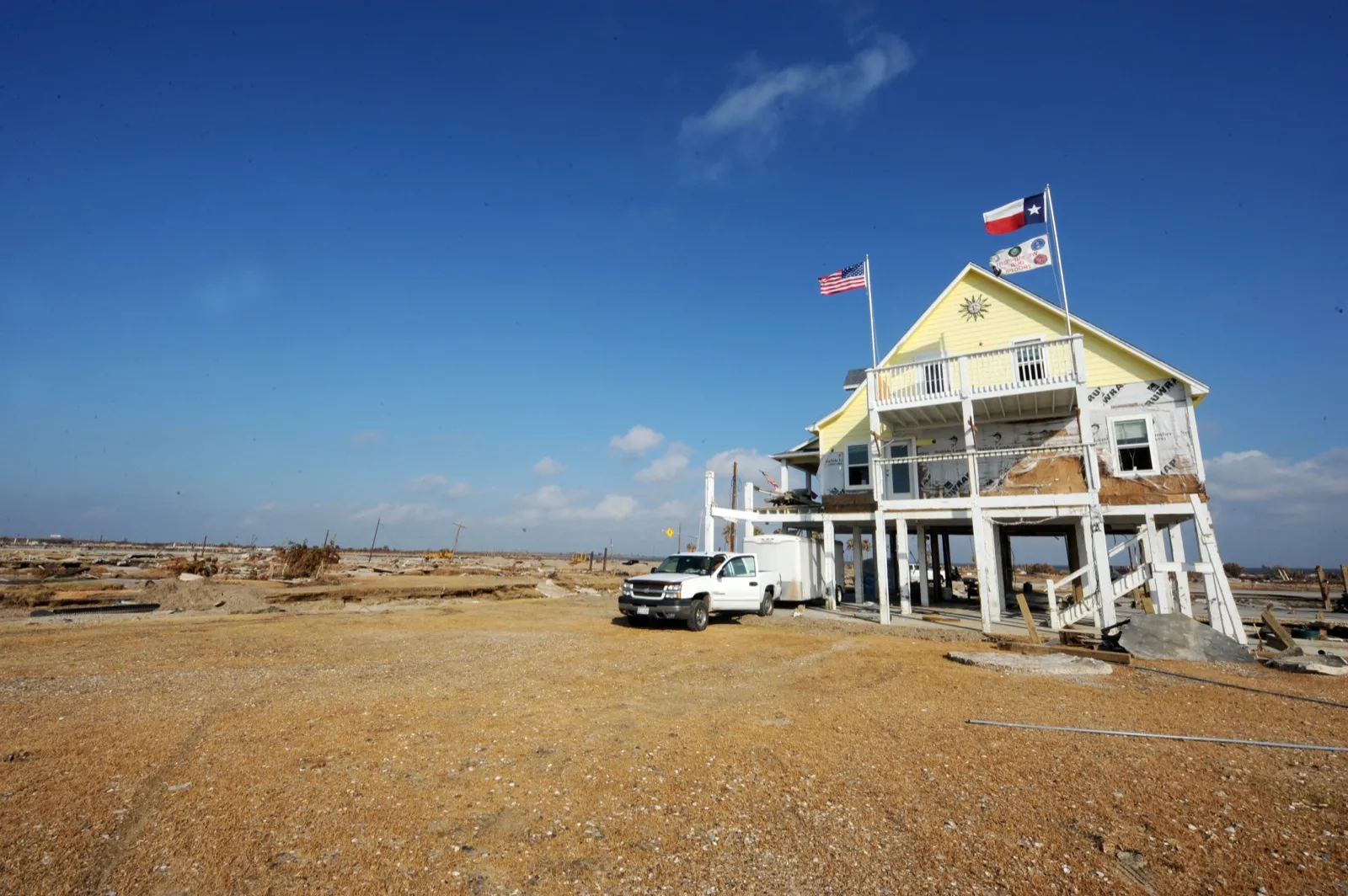
NHC attributes 103 direct deaths to Ike across Hispaniola, Cuba, and the U.S. Gulf Coast, and discusses additional indirect deaths and deaths after extratropical transition separately. Its report estimates U.S. damage at about $29.52 billion in 2008 dollars. These are not a global total-loss estimate or an inflation-adjusted comparison.1
Legacy
Ike reinforced a hard lesson: a storm's category, based solely on wind speed, can badly understate the surge threat from a large hurricane. The disaster informed later improvements in storm-surge forecasting and risk communication, including the National Hurricane Center's subsequent move to dedicated storm-surge watches, warnings, and inundation mapping.1
Hazard forecasts need to be paired with practical evacuation plans, including transport and shelter for people who need assistance. The hazard can remain high even where a community has recovered from an earlier storm.