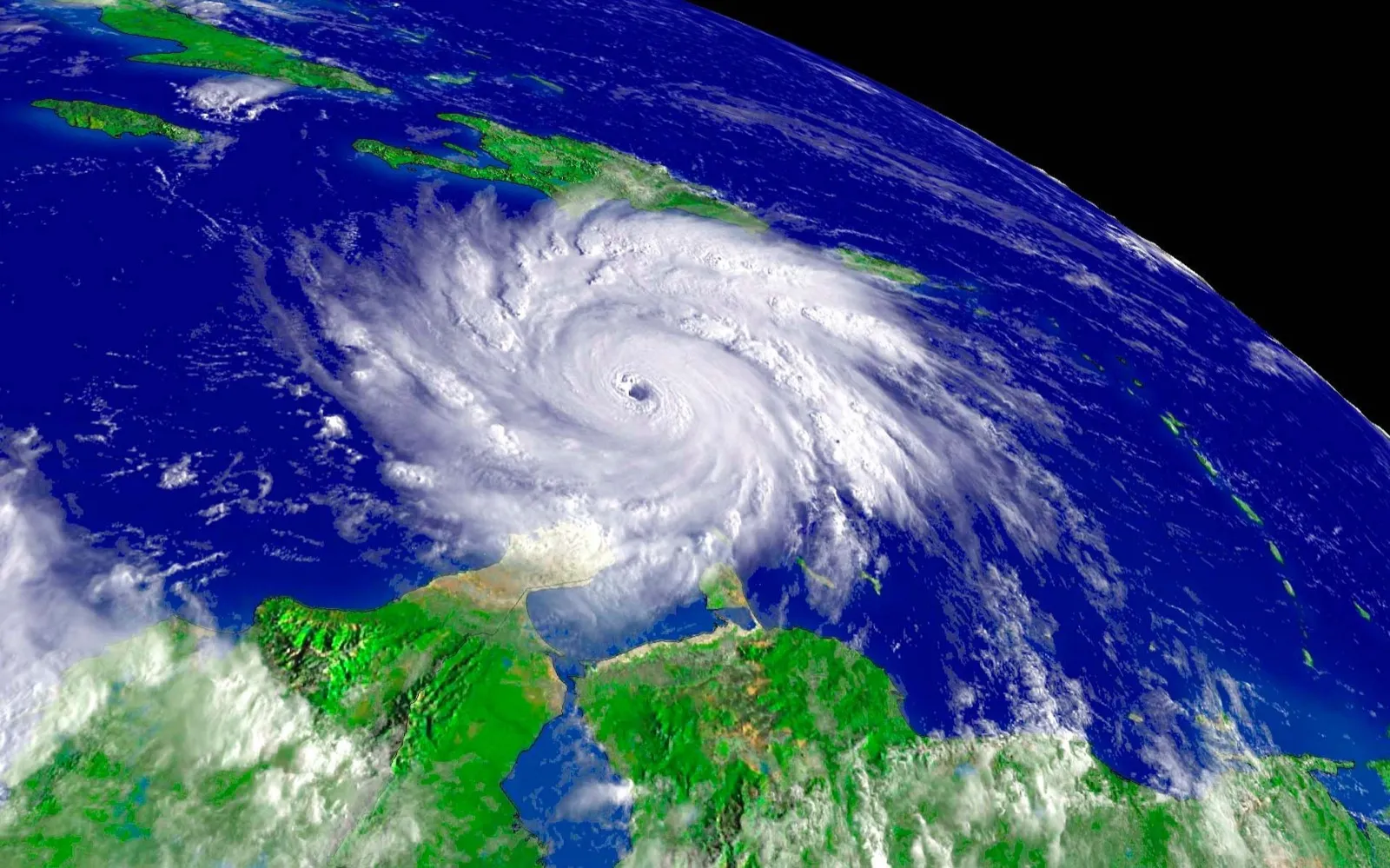
Hurricane Ivan was one of the most powerful and unusual hurricanes of the hyperactive 2004 Atlantic season. It reached Category 5 intensity in the Caribbean, devastated Grenada, struck the U.S. Gulf Coast as a major hurricane, and then traced one of the strangest tracks on record: its remnants looping back across the United States to regenerate in the Gulf of Mexico.
Meteorological History
Ivan formed from a tropical wave and intensified rapidly in the central Caribbean, reaching Category 5 strength with peak sustained winds of 165 mph (265 km/h).1 It battered Grenada and Jamaica before turning north into the Gulf of Mexico, where it made landfall near Gulf Shores, Alabama, on September 16, 2004, as a Category 3 hurricane with sustained winds over 120 mph (195 km/h).1
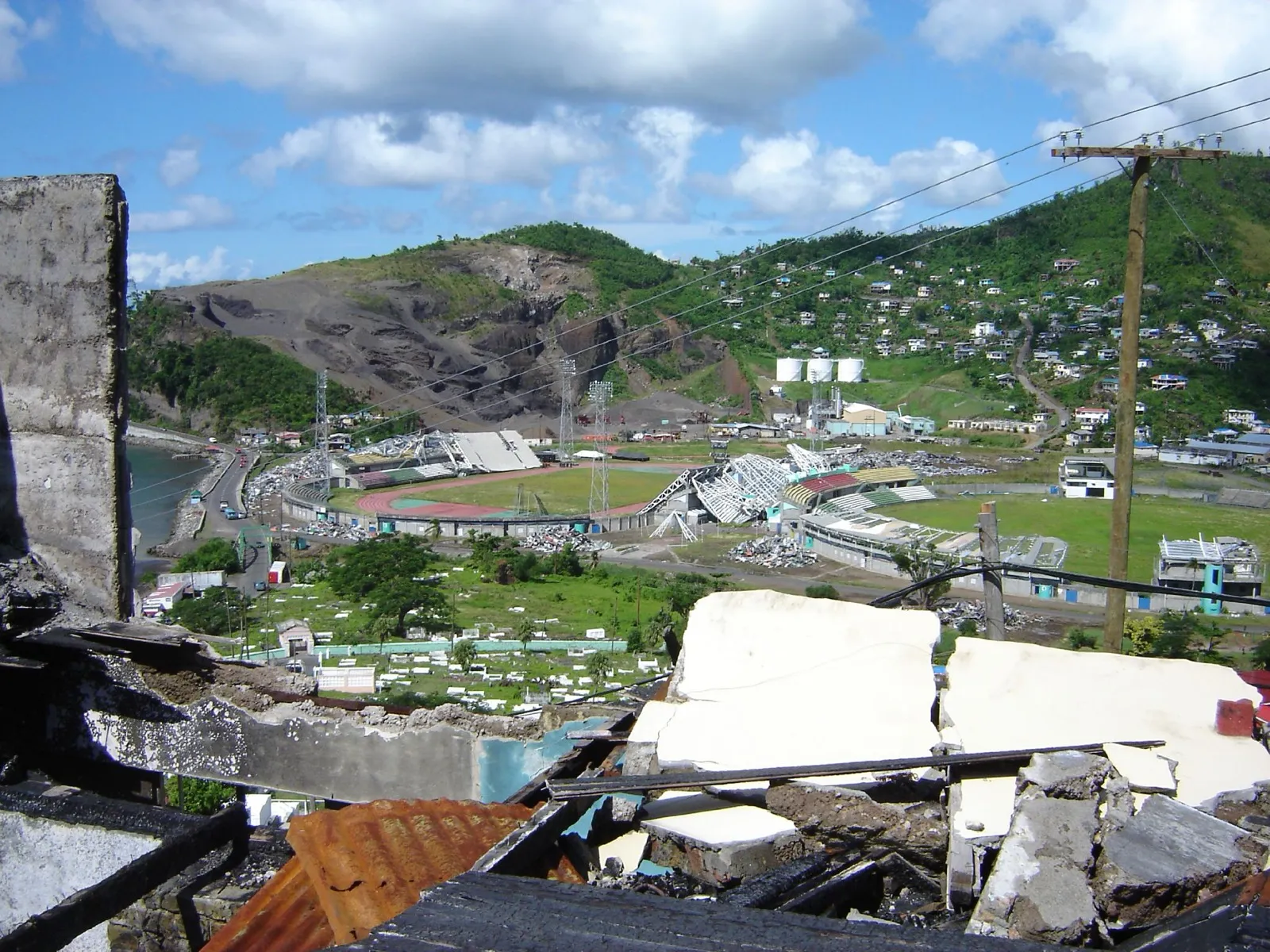
In the Caribbean, Ivan was catastrophic for small island nations. It damaged or destroyed an estimated 85% of the structures on Grenada and roughly 95% on the Cayman Islands, and it killed more than a dozen people in Jamaica, blows that rank among the most devastating any modern hurricane has dealt to small island states.1
Record Waves and Widespread Damage
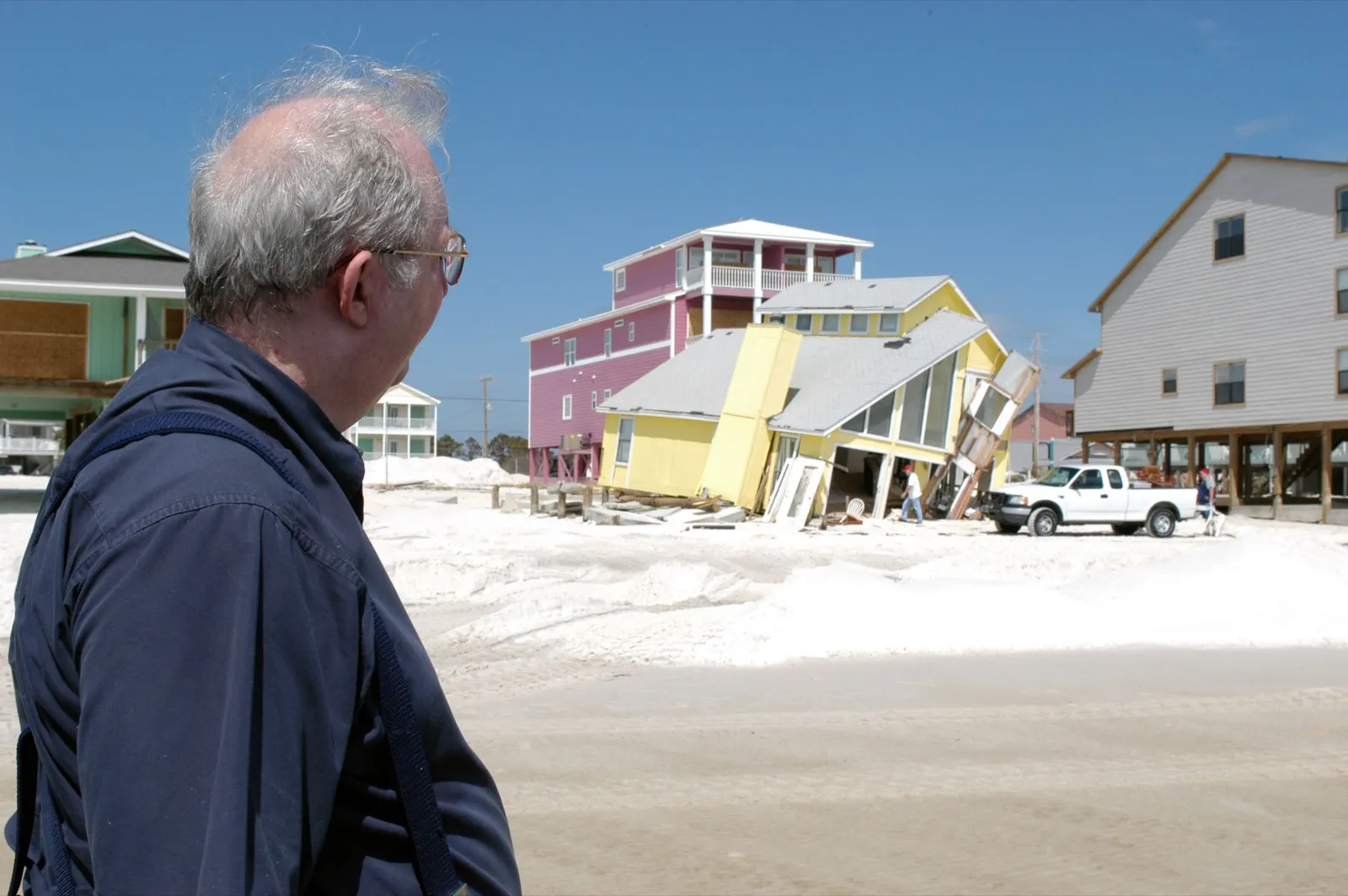
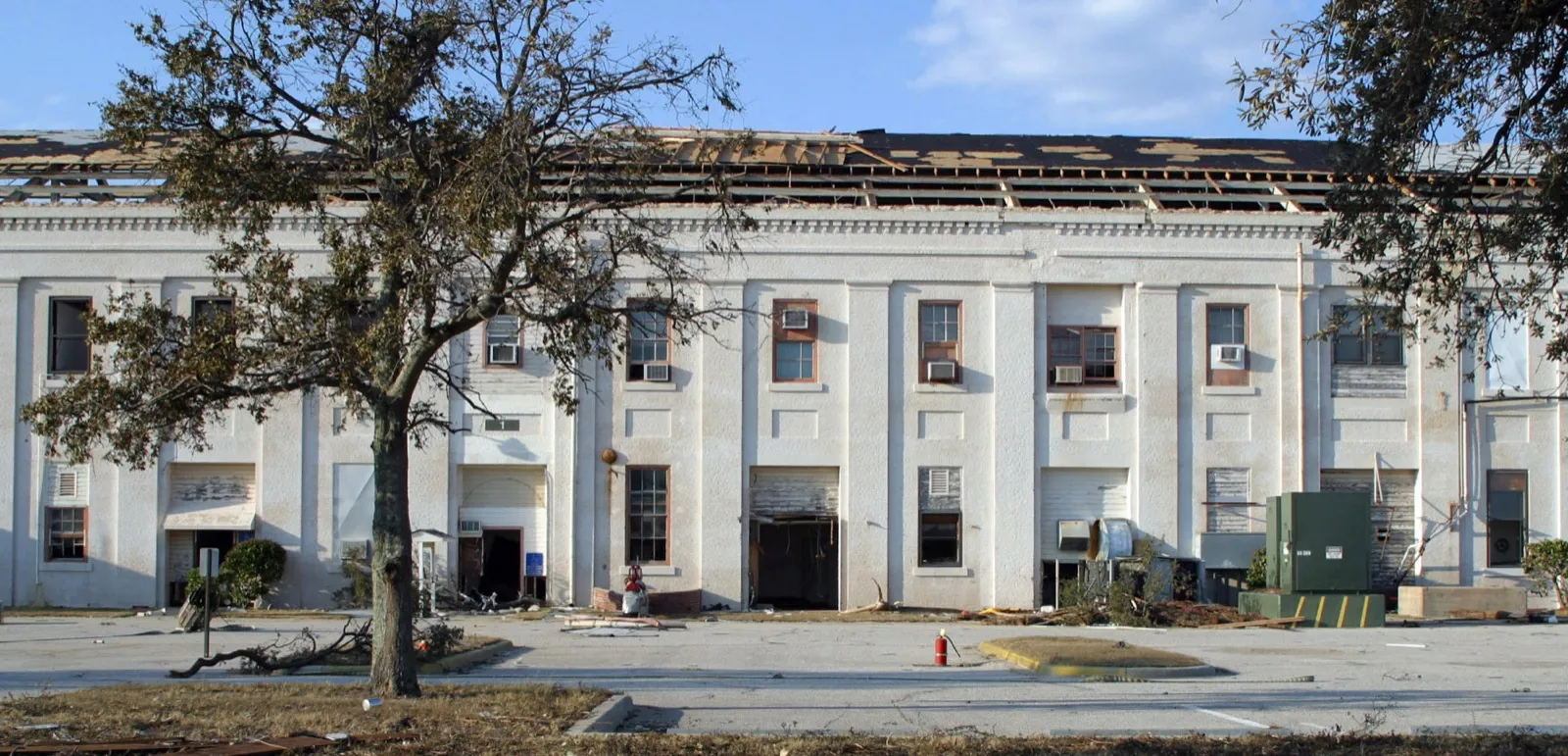
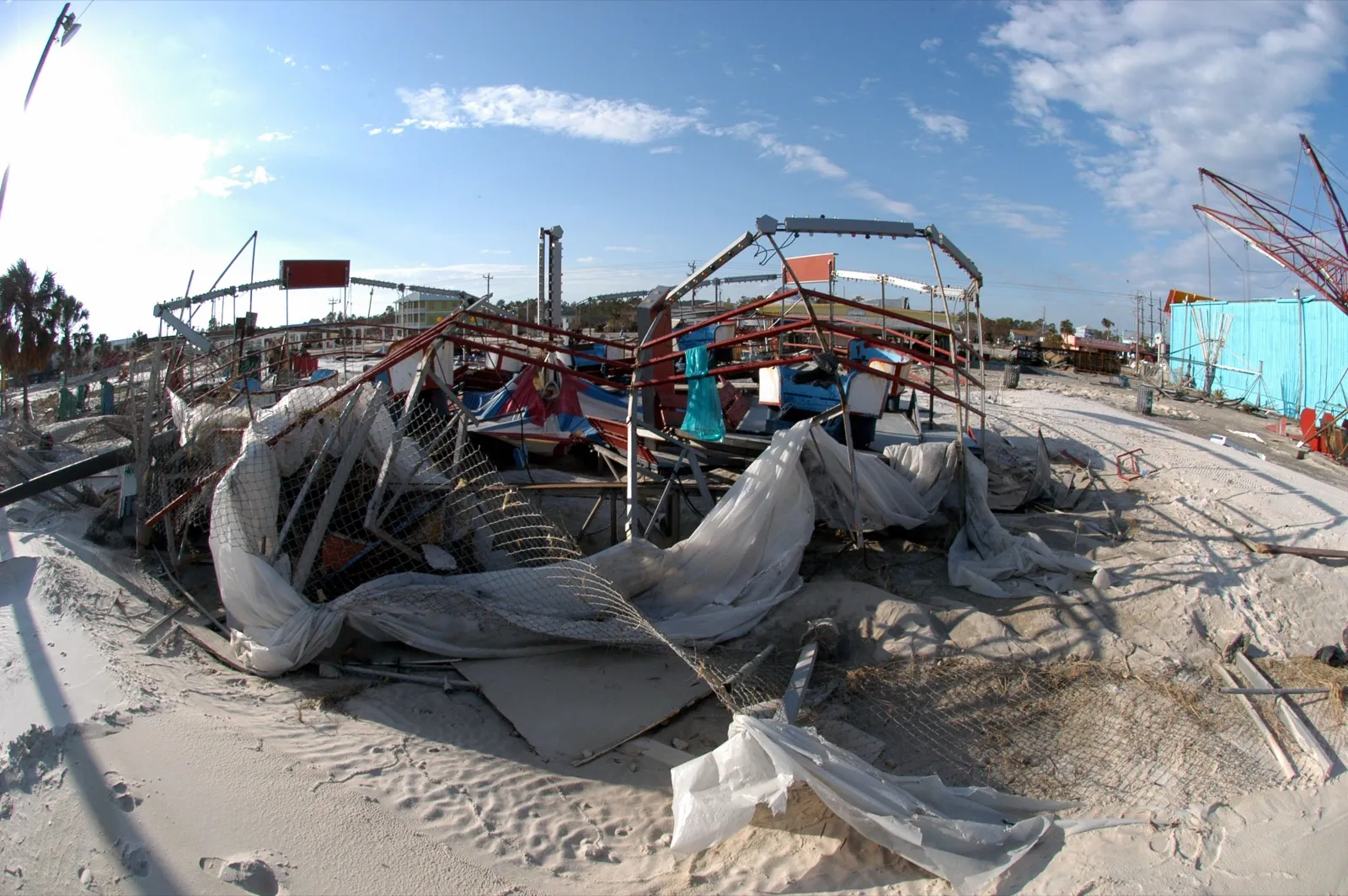
While in the Gulf, Ivan passed directly over an array of Naval Research Laboratory sensors, which recorded an individual wave of about 91 feet (27.7 m), among the largest ever measured at the time.2 At landfall, Ivan's winds and a substantial storm surge devastated the Alabama and western Florida Panhandle coast, and the storm spawned a remarkable outbreak of more than 100 tornadoes as it moved inland.1
Among the most striking failures was the Interstate 10 bridge over Escambia Bay near Pensacola: Ivan's surge and waves damaged and displaced multiple bridge spans, dropping bridge sections into the water and severing a major regional artery for months.1 The NHC report documents 117 tornadoes; counts and rankings can differ in later tornado datasets.
The bridge failure illustrates the importance of considering surge, waves, uplift, and connections in coastal transport infrastructure. A photograph alone cannot establish a bridge’s design assumptions or maintenance condition.
An Unusual Second Act
Ivan's remnant low tracked northeast off the U.S. East Coast, then south across Florida and back into the Gulf of Mexico, where it briefly reorganized into a tropical storm and made a second U.S. landfall in Louisiana, a highly unusual looping life cycle.1
Toll
Ivan was responsible for about 124 deaths overall, including roughly 57 in the United States, and caused approximately $18.82 billion in U.S. damage in 2004 dollars, as revised in the NHC report, at the time among the costliest U.S. hurricanes on record.3
Legacy
Ivan left a lasting mark on hurricane science and coastal engineering. The 91-foot (27.7 m) wave it produced sharpened understanding of the extreme sea states hurricanes can generate; the Escambia Bay bridge failure prompted stronger, higher span designs; and the record tornado outbreak underscored how far inland a landfalling hurricane's dangers extend. Its unusual looping track, dissipating, then regenerating days later in the Gulf, remains a textbook example of how resilient a tropical system's circulation can be.1 What we would add is that these failures exposed vulnerabilities in particular structures, and the coast keeps producing new ones: the 91-foot wave was a record for its time, and records like it tend not to stand. Ivan sits alongside Ike among the storms that reset what engineers thought the sea could do.
Sources
-
National Hurricane Center. (2004). Tropical Cyclone Report: Hurricane Ivan (AL092004). NOAA. https://www.nhc.noaa.gov/data/tcr/AL092004_Ivan.pdf ↩ ↩2 ↩3 ↩4 ↩5 ↩6 ↩7
-
Wang, D. W., Mitchell, D. A., Teague, W. J., Jarosz, E., & Hulbert, M. S. (2005). Extreme waves under Hurricane Ivan. Science, 309(5736), 896. https://doi.org/10.1126/science.1112509 ↩
-
NOAA National Centers for Environmental Information. U.S. Billion-Dollar Weather and Climate Disasters. https://www.ncei.noaa.gov/access/billions/ ↩