Hurricane Laura struck southwestern Louisiana in August 2020 as a powerful Category 4, among the strongest hurricanes to make landfall in the state. It devastated Lake Charles and Cameron Parish with extreme winds and a significant storm surge, and its aftermath proved nearly as deadly as the storm itself.
Meteorological History
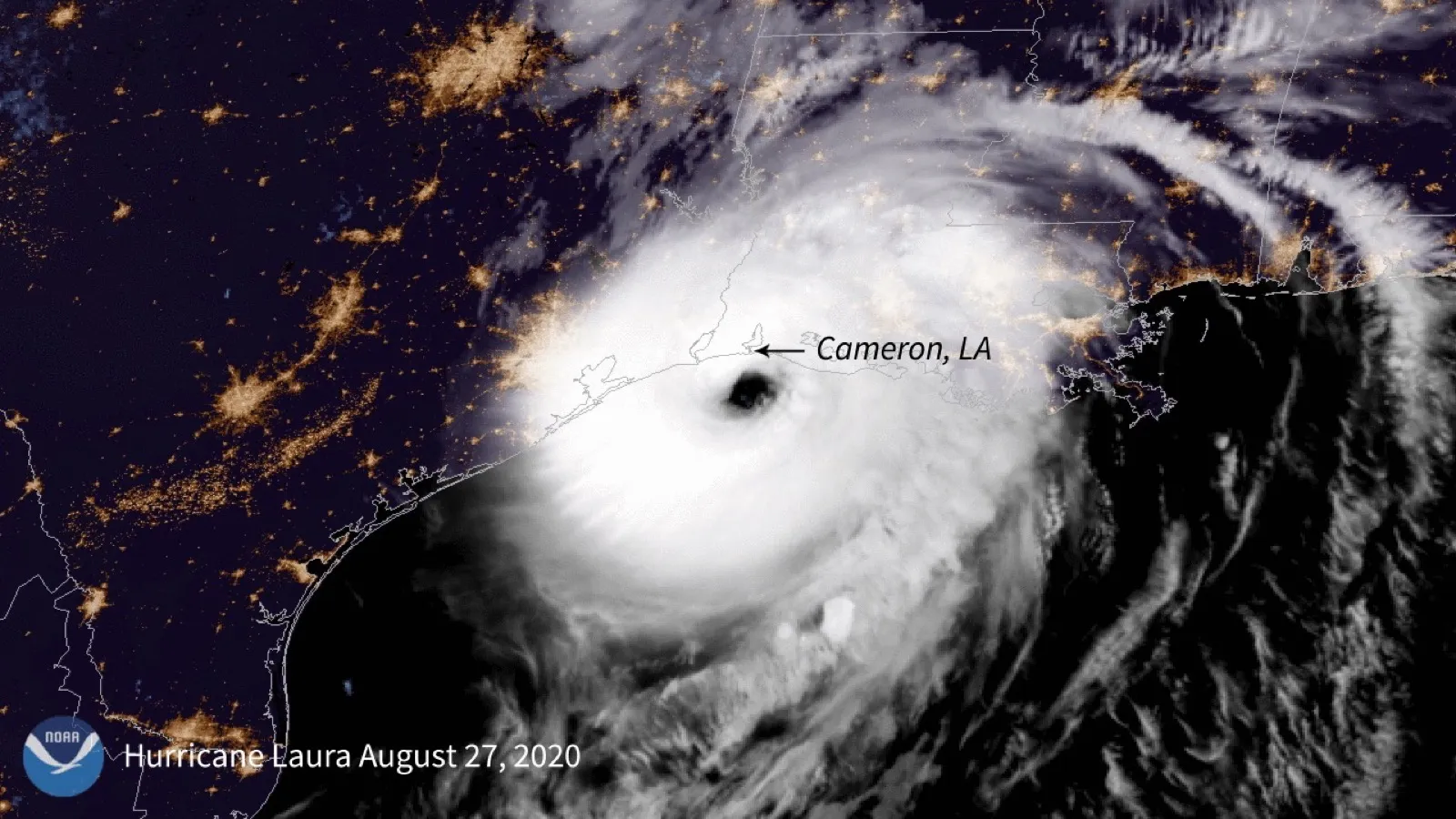
Laura crossed the Caribbean and rapidly intensified over the Gulf, making landfall near Cameron on August 27 with estimated winds of 130 knots (150 mph). Louisiana’s historical comparisons depend on whether they count landfall points or any passage over coastal parts of the state; Camille also affected coastal Louisiana at Category 5 strength.1
As Laura bore down, the National Hurricane Center issued a stark warning of an "unsurvivable storm surge" with large and destructive waves along the southwestern Louisiana coast.1 Before reaching the United States, Laura had already proved deadly in the Caribbean, killing more than 30 people in Haiti and several in the Dominican Republic as it passed over Hispaniola.1
Impacts
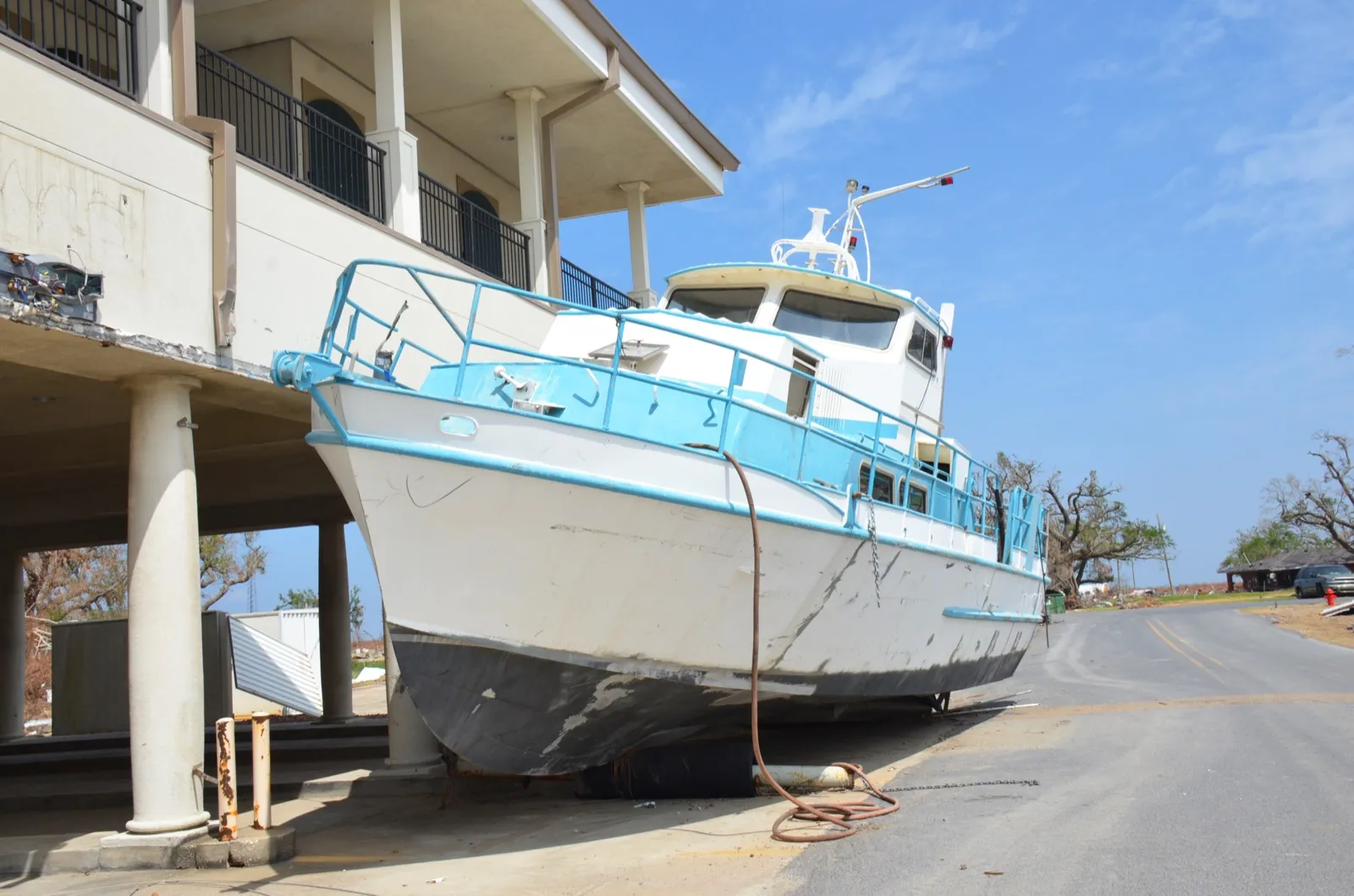
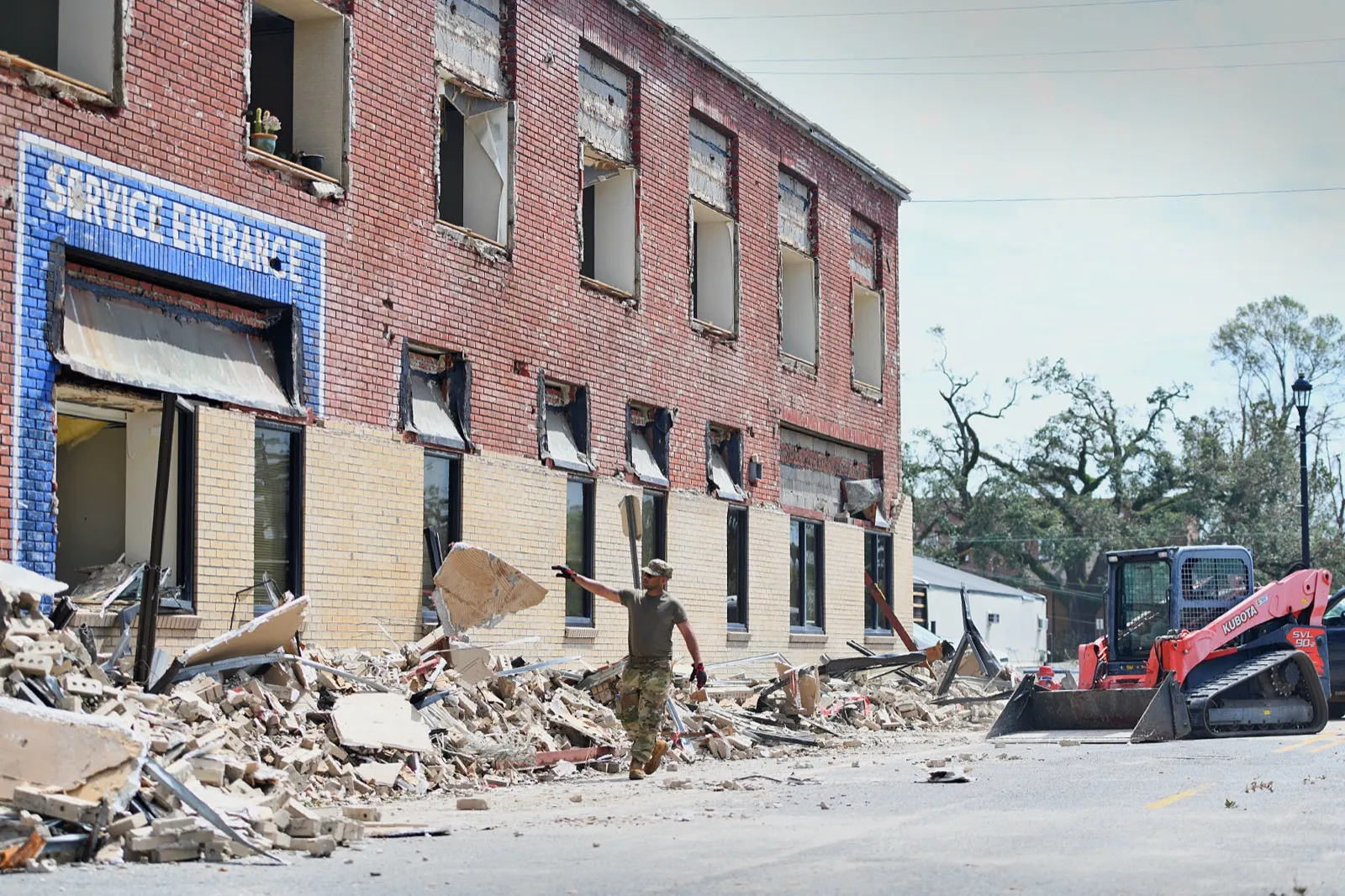
Laura drove a destructive storm surge into Cameron Parish and battered Lake Charles with violent winds, damaging much of the city's building stock and raising serious concerns about the region's dense concentration of petrochemical facilities. The storm caused 81 deaths and about $19 billion in U.S. damage in 2020 dollars.2 Notably, many deaths were indirect and occurred after the storm, a large share from carbon-monoxide poisoning caused by the unsafe use of portable generators during prolonged power outages.1
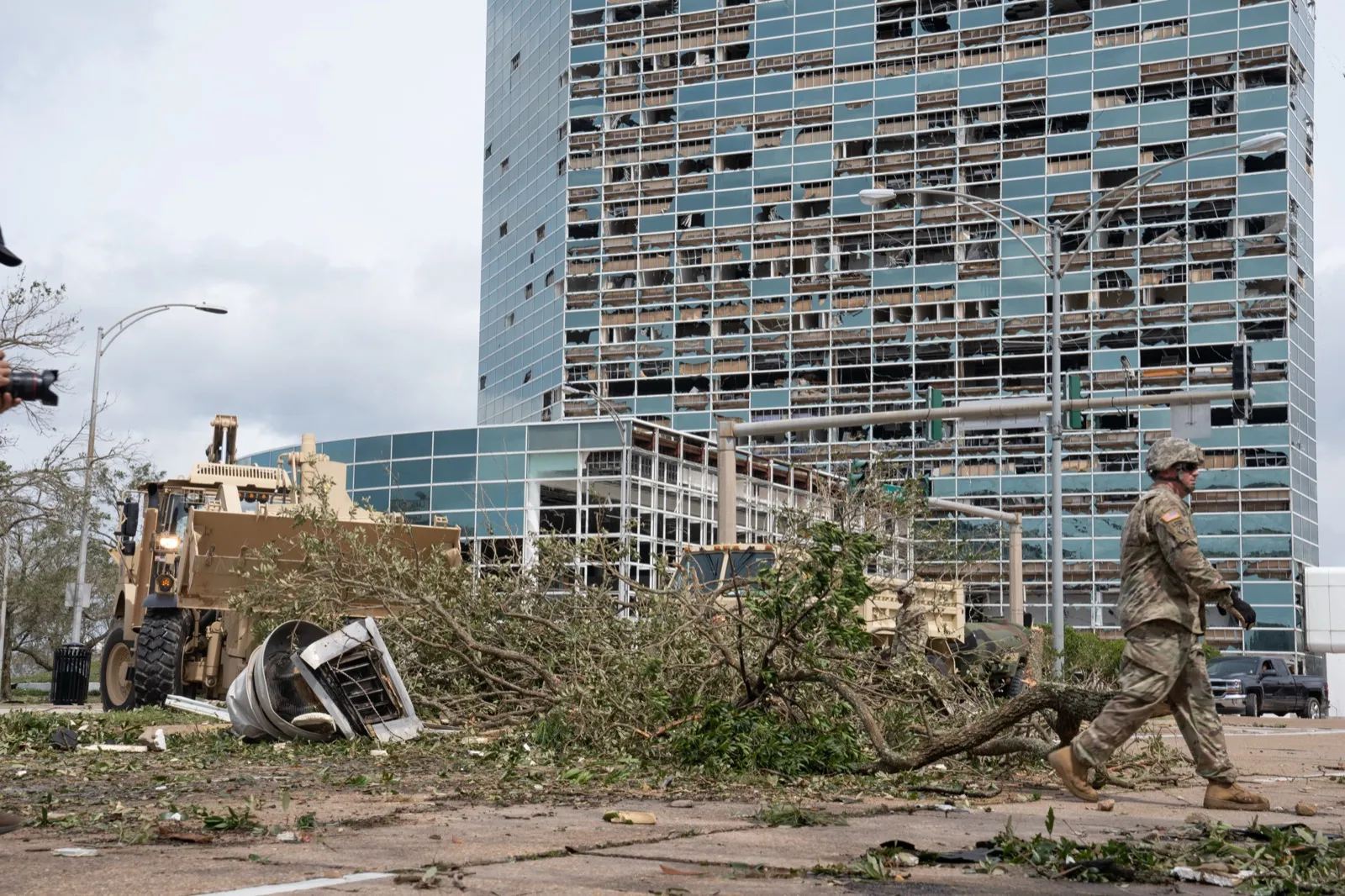
In Lake Charles, gusts well over 130 mph (210 km/h) blew windows out of the city's tallest building and destroyed airport hangars, while the region's dense concentration of refineries and chemical plants raised fears of hazardous releases.1 NHC reports 47 direct deaths across affected countries and 34 indirect U.S. deaths, and the COVID-19 pandemic complicated every stage of the response, from evacuating and sheltering people safely to restoring power and housing in the months that followed.
Legacy
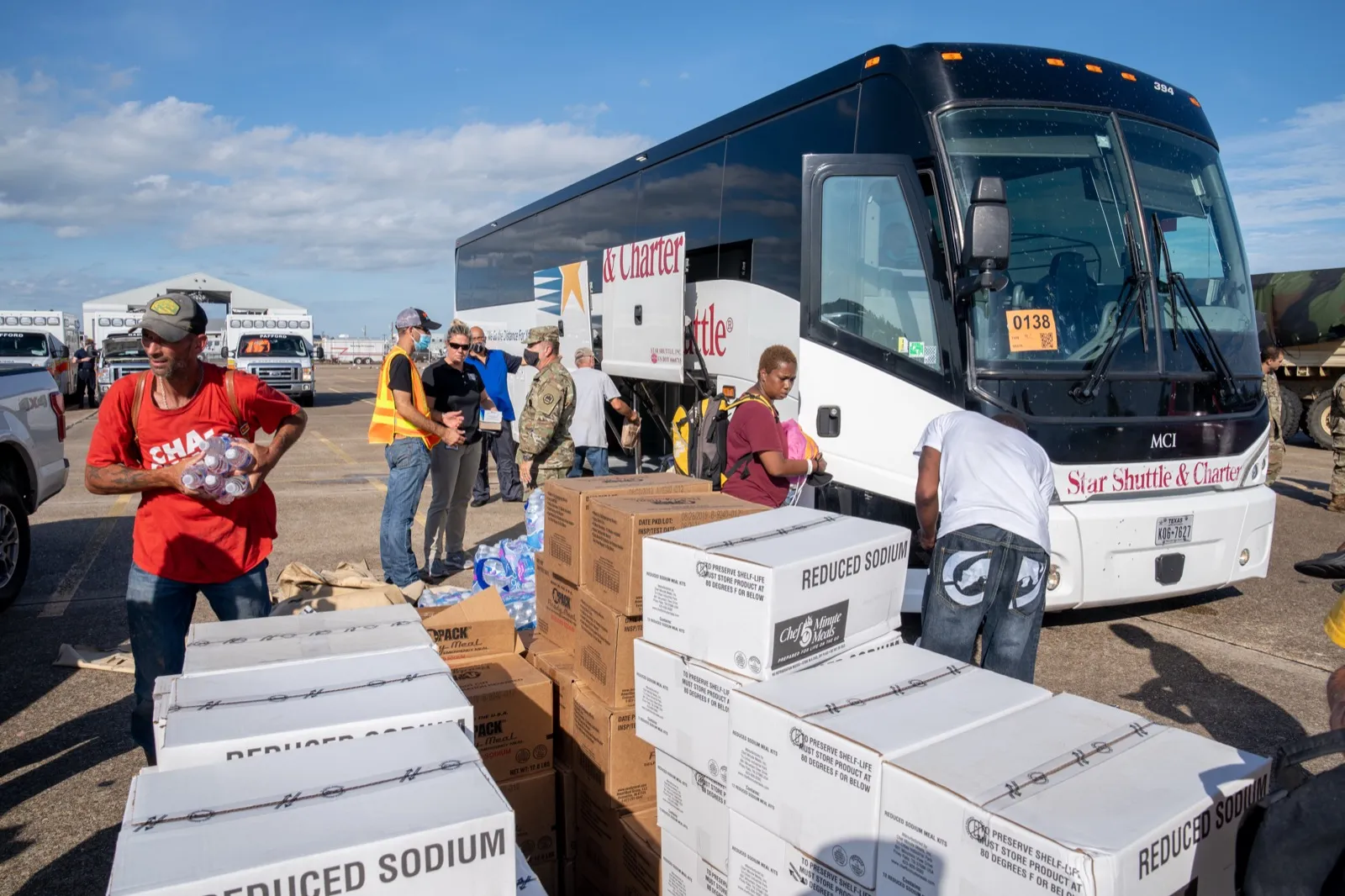
Laura highlighted the deadly danger of the post-storm period, when extended outages drive unsafe generator use, and the compounding strain of striking during the COVID-19 pandemic, which complicated evacuation and sheltering. Its rapid intensification just before landfall added to a growing list of storms that strengthened dangerously fast in warm Gulf waters.1
Laura’s aftermath illustrates the danger of carbon monoxide during power outages. Portable generators belong outdoors, at least 20 feet from doors, windows, and vents, with exhaust directed away from buildings. Never use them in a home or garage, even with doors open.
Sources
-
National Hurricane Center. (2021). Tropical Cyclone Report: Hurricane Laura (AL132020). NOAA. https://www.nhc.noaa.gov/data/tcr/AL132020_Laura.pdf ↩ ↩2 ↩3 ↩4 ↩5 ↩6
-
NOAA National Centers for Environmental Information. U.S. Billion-Dollar Weather and Climate Disasters. https://www.ncei.noaa.gov/access/billions/ ↩