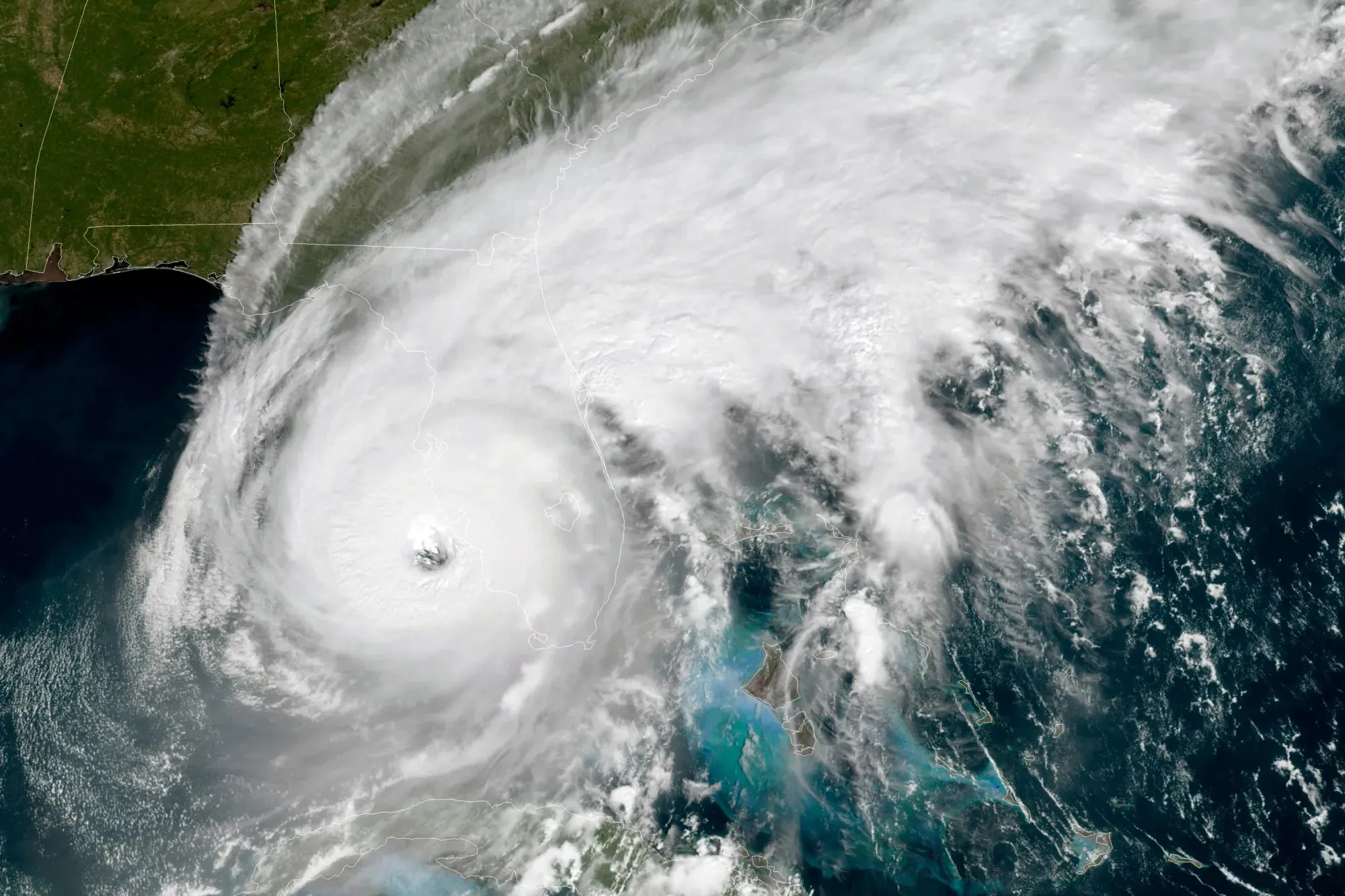
Hurricane Ian struck southwest Florida in late September 2022 as a powerful Category 4 hurricane, delivering catastrophic storm surge to the coast. The storm made landfall on Cayo Costa with maximum sustained winds of 150 mph (241 km/h) and produced storm-surge inundation of 10–15 ft (3–4.6 m) above ground at Fort Myers Beach. Surge devastated coastal communities, while heavy rain caused freshwater flooding inland. NHC documented at least 156 U.S. deaths, including 66 direct deaths1 and $112.9 billion in damage (U.S. damage, 2022 dollars),2 making it one of the costliest hurricanes on record. The storm showed how rapidly intensifying hurricanes over warm water meet densely populated coasts with little time to spare.
Meteorological History
Ian developed from a tropical wave that left Africa on September 14, 2022, and became a tropical depression over the Caribbean on September 23. It intensified over favorable ocean and atmospheric conditions before reaching Florida.1
Ian reached Category 5 over the Gulf, with estimated maximum sustained winds of 140 knots (160 mph) and minimum pressure of 937 mb at 1200 UTC on September 28. It weakened before its Cayo Costa landfall, where NHC estimates 130 knots (150 mph) and 941 mb.1
Favorable Conditions for Intensification
Ian's rapid intensification was enabled by multiple factors: exceptional Gulf of Mexico warmth, minimal wind shear, high tropical moisture content, and upper-level outflow conducive to deep convection. The high-pressure ridge to the east of Ian steered the hurricane toward southwest Florida, ensuring a direct strike on one of the most densely populated coastal regions in the United States. The combination of these meteorological elements created a worst-case scenario for Florida: a powerful hurricane on a collision course with a major population center.
Landfall & Storm Surge
Ian made landfall on September 28, 2022, near Cayo Costa in Lee County, devastating Fort Myers Beach and Cape Coral, Florida, with Category 4 intensity. The eye passed directly over the densely populated southwest Florida coast, with estimated maximum sustained winds of 150 mph (241 km/h) near the eyewall. The storm surge was catastrophic: peak inundation reached 10–15 ft above normally dry ground at Fort Myers Beach; this is not a measurement above normal tide.1 In some coastal areas, surge topped nearby dunes and seawalls, inundating previously dry land.
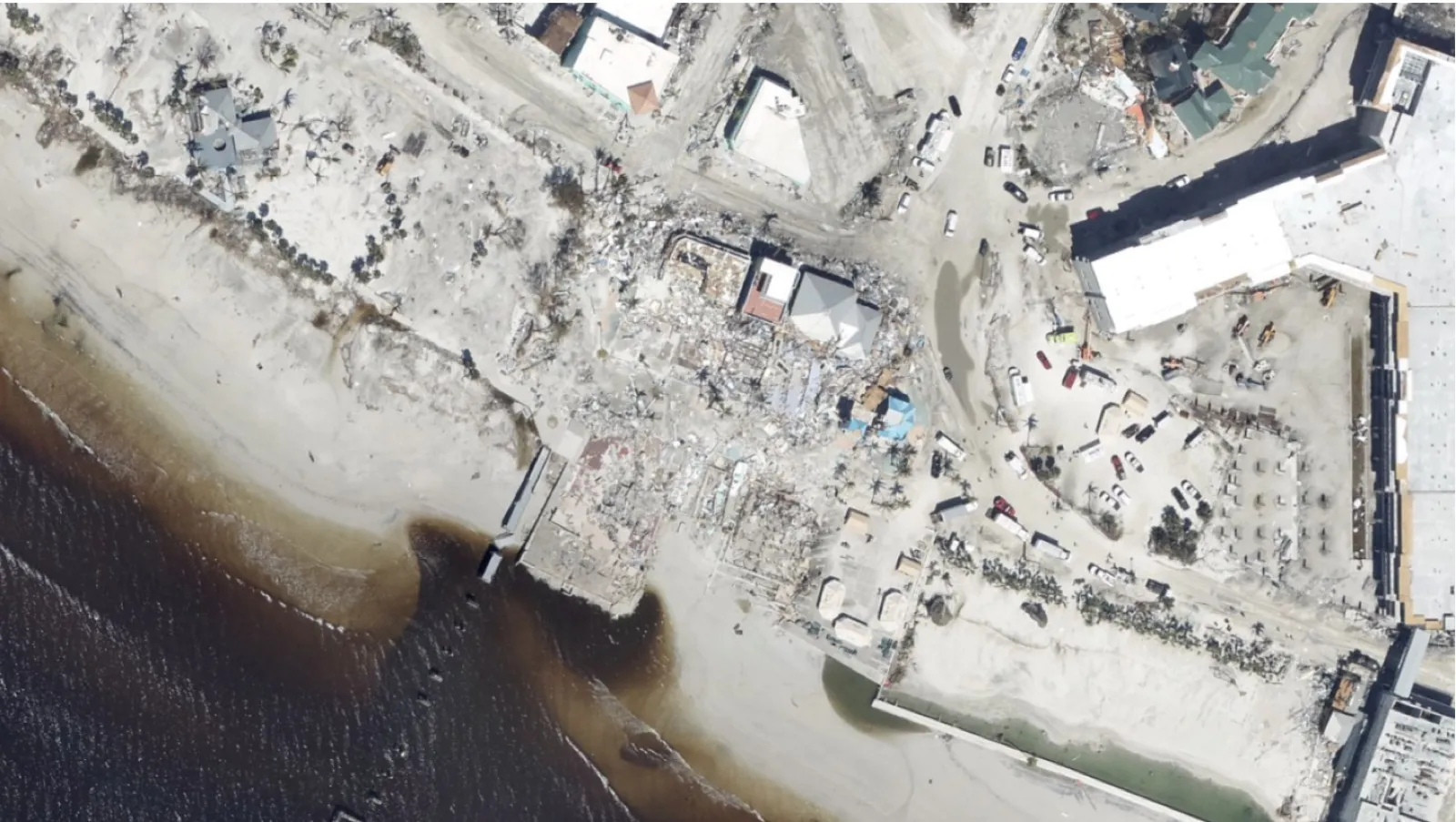
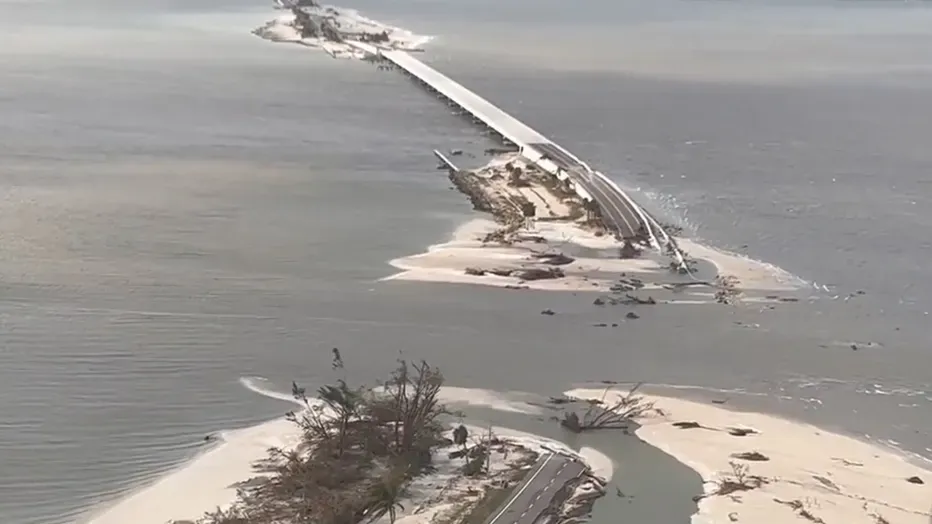
The surge destruction was severe. Barrier islands were overwashed, with sand deposited inland and structures destroyed. Homes built on pilings were still submerged by surge. Mangrove forests, which provide natural protection to inland areas, were snapped off near the waterline. Marina boats were sunk or washed ashore. The salt water intrusion extended inland, affecting freshwater aquifers and agricultural lands. The surge continued to rise as Ian moved northward, with additional water pushed inland by the strong onshore winds on the right side of the hurricane's track.
Elevation and natural coastal features can reduce some risks, but they do not guarantee protection. Determining why a particular building failed requires a site assessment of water levels, waves, foundations, and structural connections.
Human Toll & Disaster Response
The NHC report documents at least 156 U.S. fatalities: 66 direct deaths and 90 indirect deaths. Storm surge caused 41 of the direct deaths, freshwater flooding 12, marine incidents eight, wind four, and rough surf one. These U.S. figures exclude missing people not included in the report’s confirmed count.1
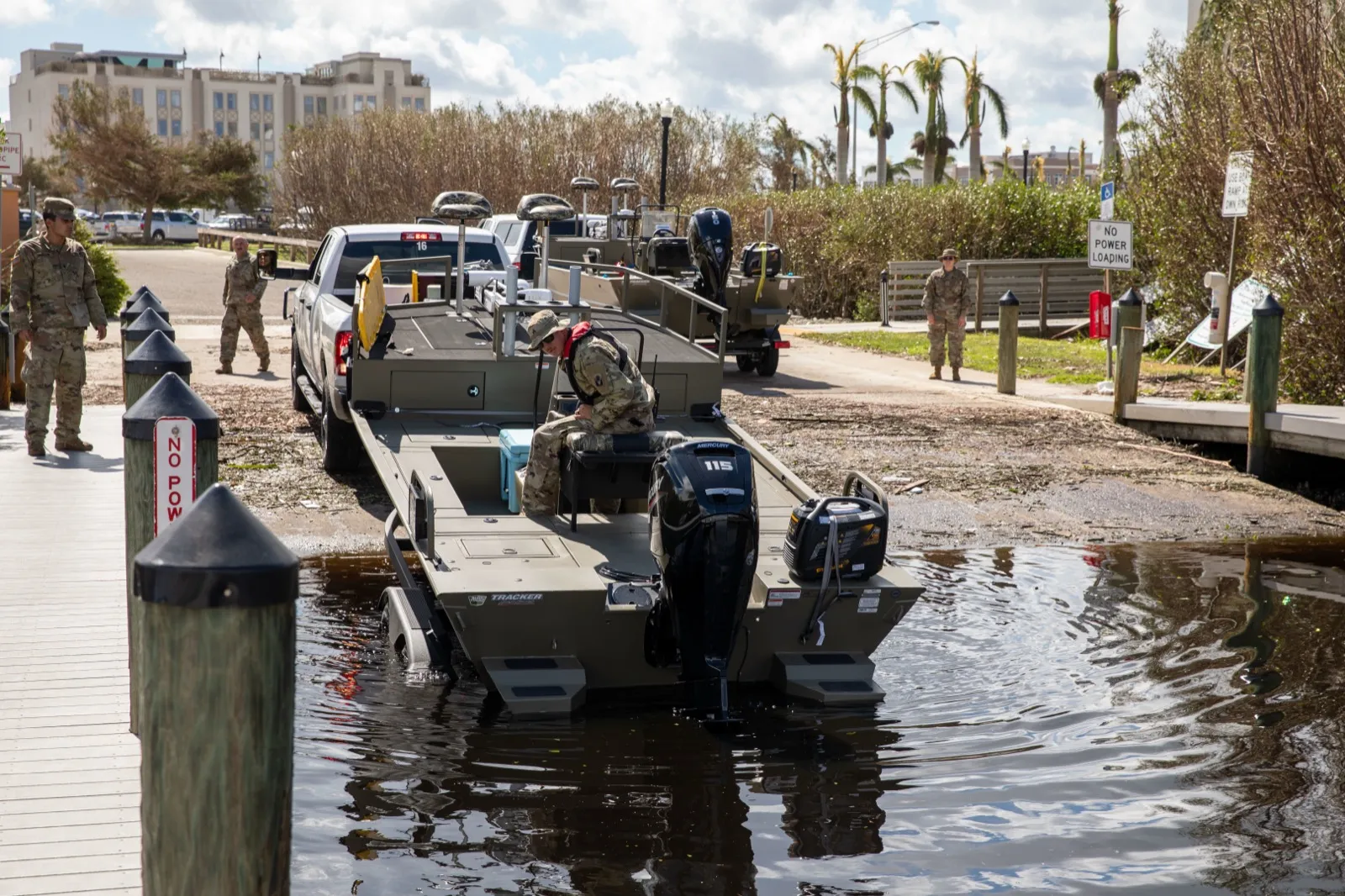
Emergency agencies, utilities and volunteers responded to widespread damage and outages. Evacuation orders, the population advised to leave and the number who actually evacuated are different quantities.
Economic Impact & Infrastructure Damage
NHC reports an estimated $112.9 billion in U.S. damage in 2022 dollars, including $109.5 billion in Florida. Residential, commercial, agricultural, and infrastructure losses contributed to that total.1
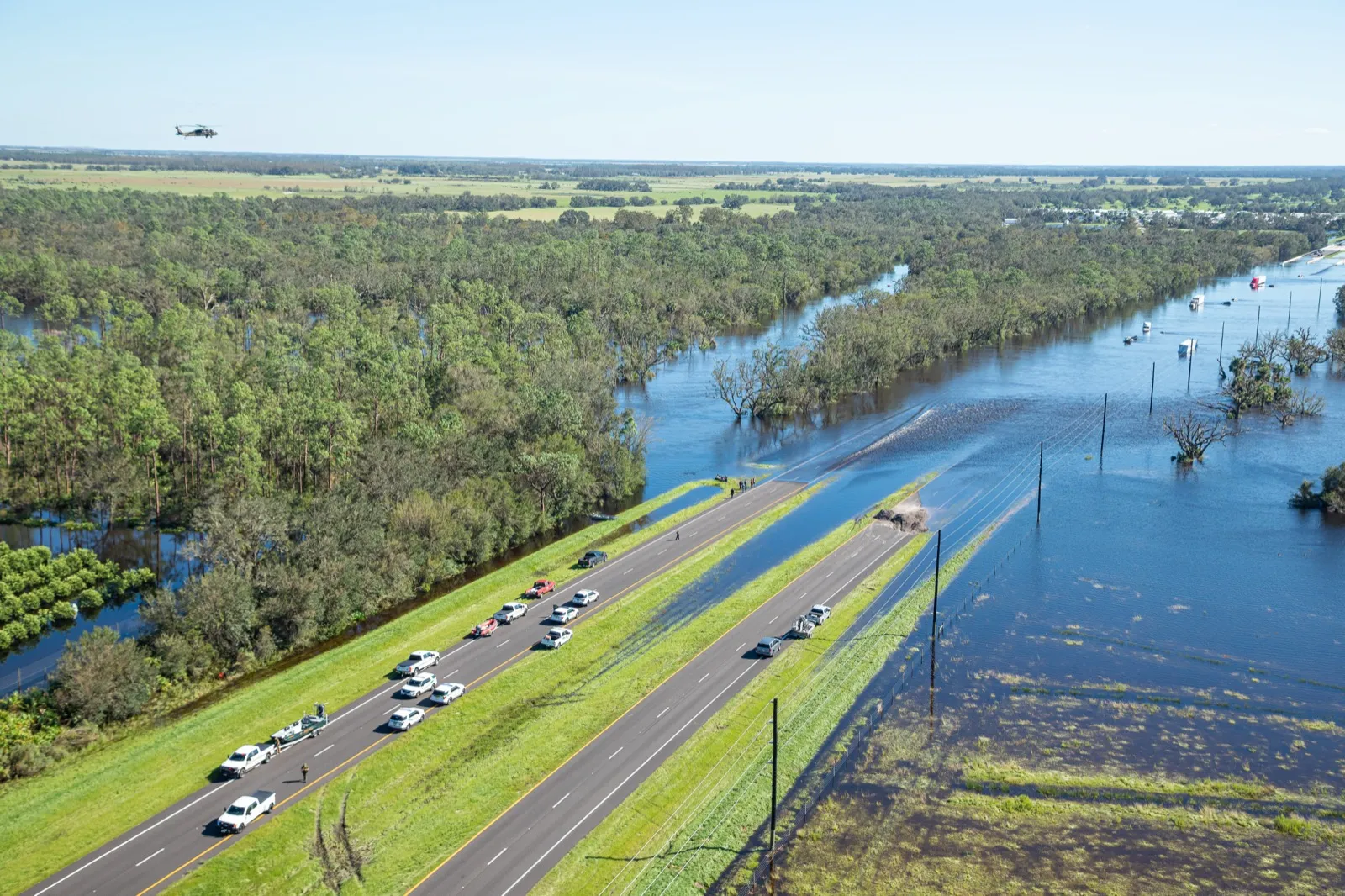
Rebuilding costs, displacement, and insurance claims created substantial financial difficulties. Claims about changes in regional property values, premiums, or tax receipts require their own dated datasets.
Legacy & Future Implications
Ian demonstrated the danger of major wind and surge impacts on a developed coastline. Its 10–15-foot inundation estimate at Fort Myers Beach is above ground, not a tide-gauge anomaly. Assessing sea-level rise’s contribution requires a separate analysis; the observed flood height alone does not establish attribution.
Ian prompted debate about rebuilding, elevation, buyouts, and other adaptations. The choices depend on local risk, funding, housing options, and residents’ circumstances.
What Ian does not resolve is the harder question underneath the buyouts: managed retreat works cleanly on paper, but it runs into property values, tax bases, and people's attachment to where they live, and implementing it across a developed coastline poses difficult choices for residents and local governments. For how those losses and recovery dollars are shared, see hurricane damage statistics and government aid after a hurricane.
Sources
-
National Hurricane Center. (2023). Tropical Cyclone Report: Hurricane Ian (AL092022). NOAA. https://www.nhc.noaa.gov/data/tcr/AL092022_Ian.pdf ↩ ↩2 ↩3 ↩4 ↩5 ↩6
-
NOAA National Centers for Environmental Information. (2024). U.S. Billion-Dollar Weather and Climate Disasters. https://www.ncei.noaa.gov/access/billions/ ↩