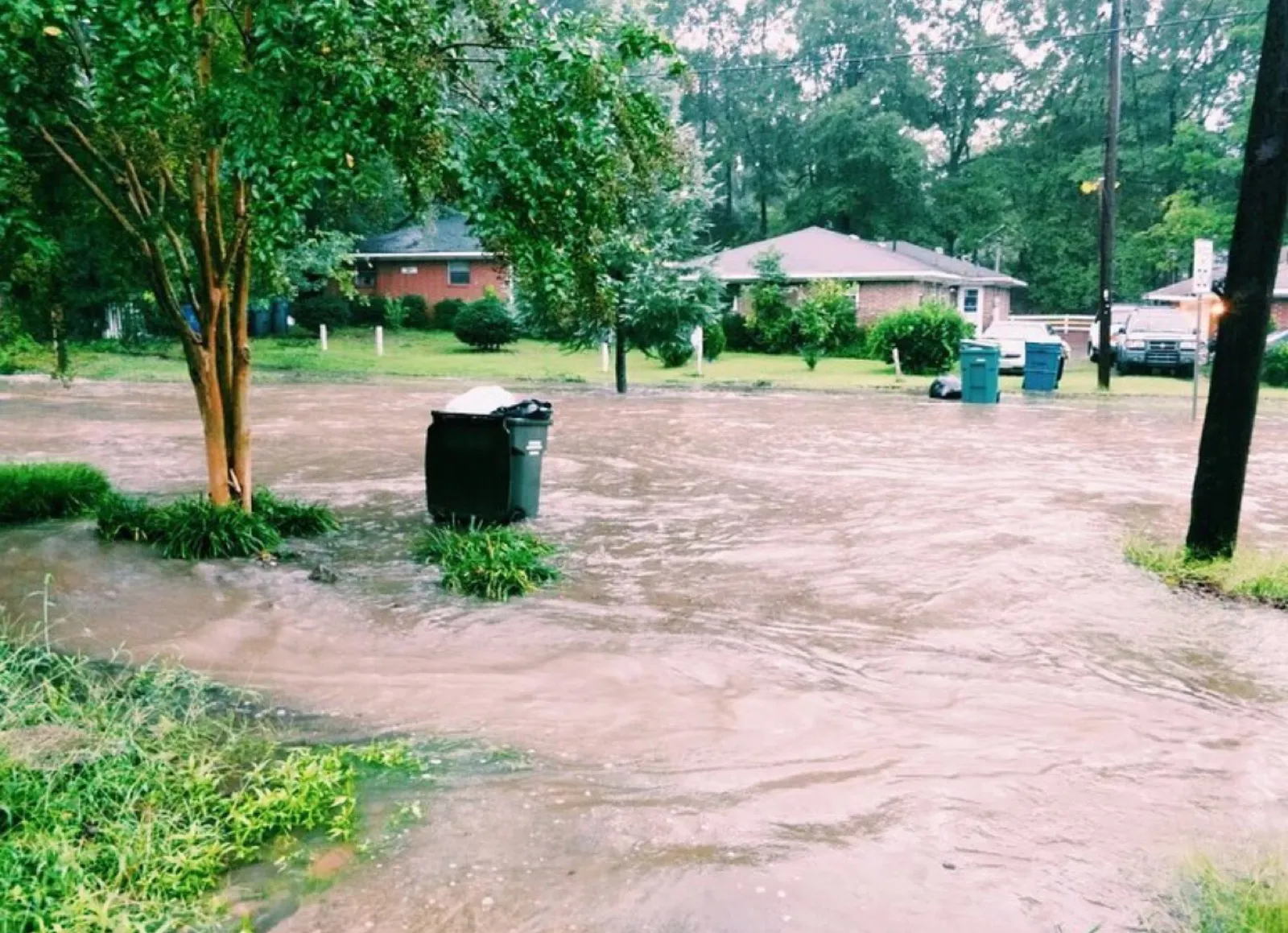
Hurricane Florence was a slow-moving rainfall disaster that demonstrated, like Harvey a year earlier, that a hurricane's category often says little about its deadliest hazard. Though it weakened to a Category 1 before reaching the North Carolina coast in September 2018, Florence stalled and unloaded record-breaking rain, producing catastrophic freshwater flooding across the Carolinas.
Meteorological History
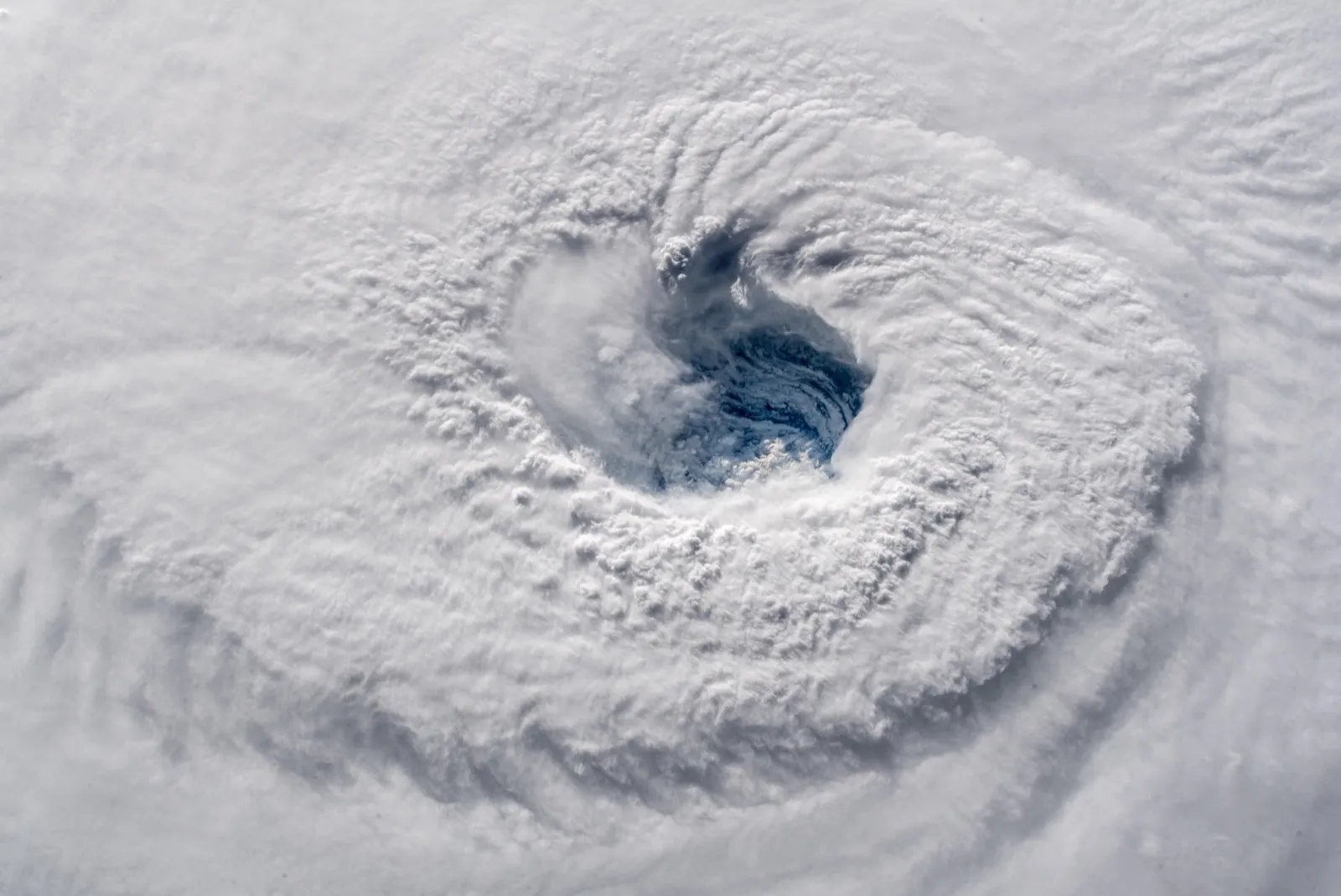
Florence reached Category 4 intensity over the open Atlantic, with peak sustained winds of 150 mph (240 km/h), before encountering wind shear and weakening as it neared the coast.1 It made landfall near Wrightsville Beach, North Carolina, on September 14, 2018, as a Category 1 hurricane.1 Florence then slowed to a crawl, allowing its rainbands to train over the same areas for days. Ahead of landfall, more than a million people were ordered to evacuate across the Carolinas and Virginia; and even as the winds eased, the storm grew larger, spreading its heavy rain over a wider area.1
Record Rainfall and Flooding
Florence's slow movement made it a rainfall multiplier. It set a new North Carolina record for rainfall from a tropical cyclone, with localized totals around 36 inches (914 mm), and produced major and record river crests across the Carolinas.1 Flooding cut off communities, breached animal-waste lagoons and coal-ash containments, and persisted for days after the winds had subsided.
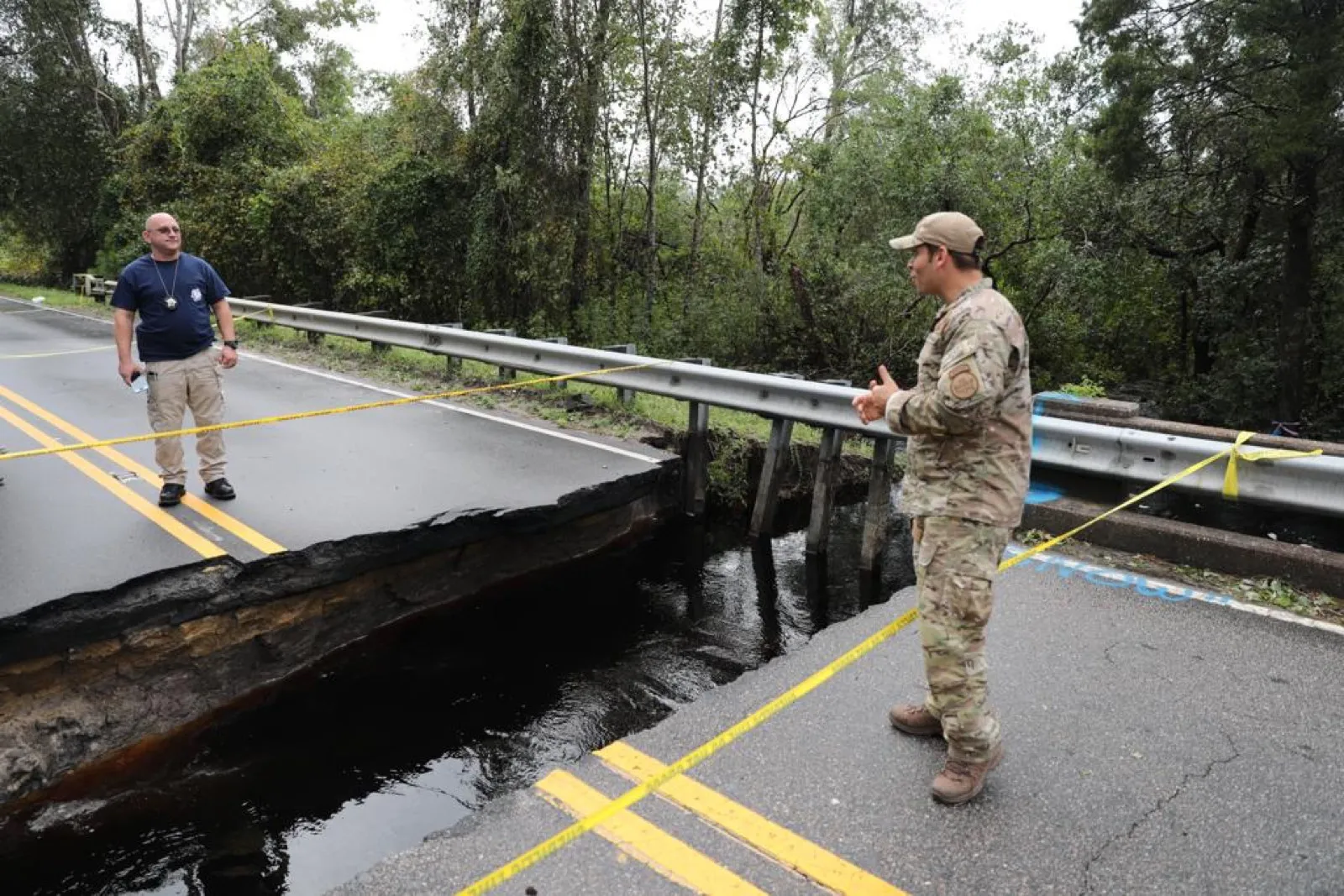
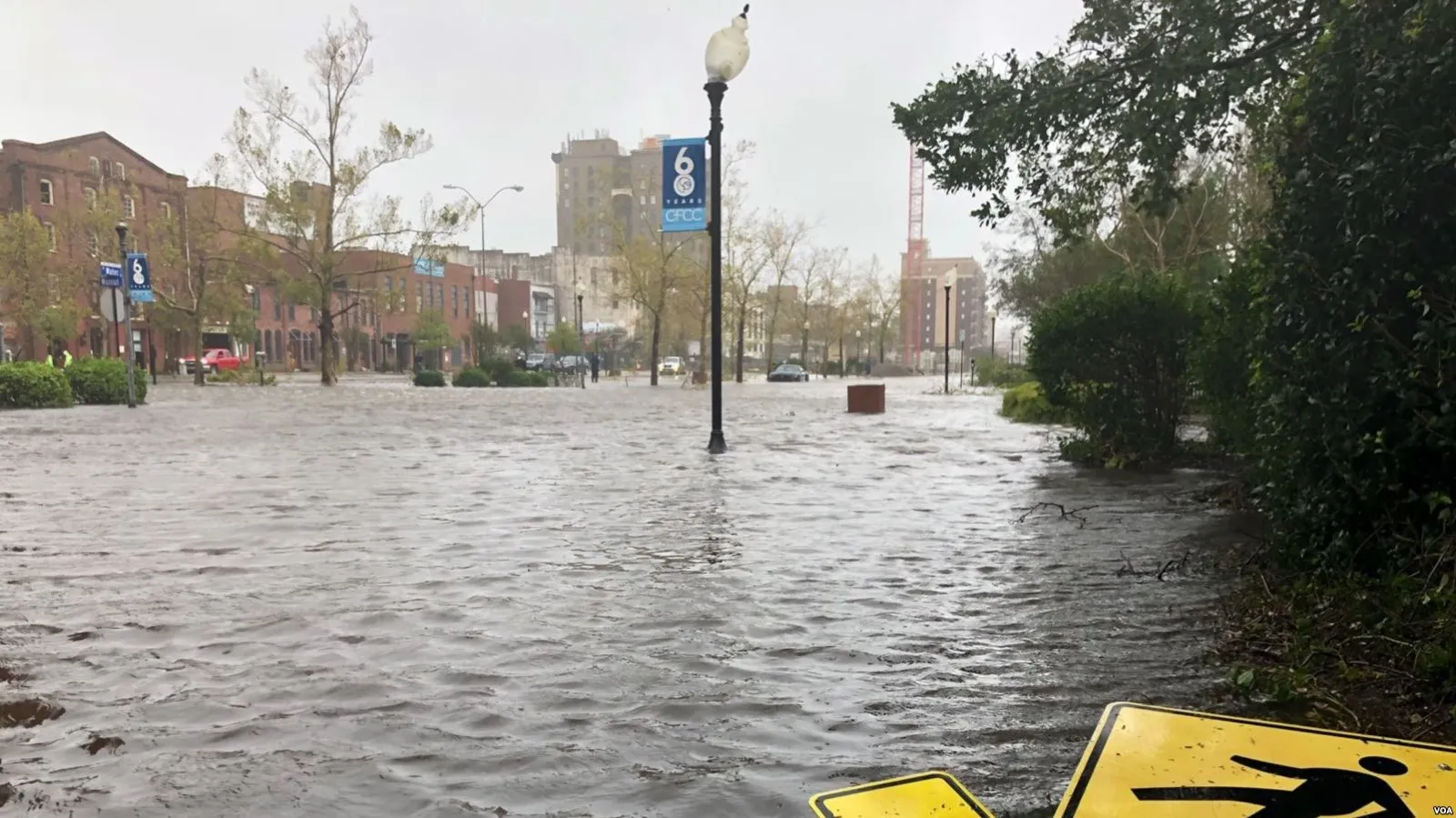
The totals set new records for rainfall from a tropical cyclone in both North Carolina, about 35.9 inches (912 mm) near Elizabethtown, and South Carolina, around 23.6 inches (600 mm) near Loris.1 Rivers kept rising for days after landfall: the Cape Fear River crested above a gauge stage of 61 feet (18.6 m) near Fayetteville; gauge stage is not flood depth above the ground, and the city of Wilmington was entirely cut off when every road into it flooded.1
Toll
Florence was responsible for 22 direct deaths, most from freshwater flooding and drowning, and 52 deaths in the NHC report: 22 direct and 30 indirect, while causing about $24 billion in damage in 2018 dollars.1 Freshwater flooding caused 17 of Florence’s 22 direct deaths.1

Legacy
Florence reinforced that forward speed and rainfall, not category alone, often determine a hurricane's lethality, strengthening the case for communicating rainfall and inland-flood risk separately from the Saffir–Simpson wind category.
Florence also exposed pollution risks when floods reached animal-waste lagoons and industrial facilities. Counts of affected lagoons must distinguish overtopping, structural breaches, and sites merely at risk; they are not interchangeable measures.