Hurricane names are retired when a storm is so deadly or destructive that reusing its name would be insensitive or confusing. Retirement turns a name into a permanent marker of catastrophe (Katrina, Sandy, Maria, Harvey) so the list of retired names is, in effect, a roll call of the Atlantic's worst storms.
How Hurricanes Get Their Names
Atlantic tropical cyclones are named from six rotating lists maintained by the World Meteorological Organization's (WMO) Regional Association IV Hurricane Committee.1 Each list is reused every six years, so, barring retirements, the 2025 names return in 2031. The lists alternate male and female names alphabetically, but skip the letters Q, U, X, Y, and Z because too few suitable names begin with them.2
From latitude-and-longitude to names
The idea of naming storms is older than the modern system. The Australian meteorologist Clement Wragge began giving tropical storms women's names before the end of the 19th century.3 For decades, though, U.S. forecasters identified storms by cumbersome latitude-and-longitude coordinates, which were easy to confuse when several systems were active at once. George R. Stewart's 1941 novel Storm, whose central Pacific storm is named "Maria," helped popularize the practice, and during World War II Army and Navy meteorologists tracking storms across the Pacific routinely gave them women's names.3
The United States formalized the approach in 1953, abandoning a short-lived phonetic-alphabet plan (Able, Baker, Charlie) in favor of a list of female names. The all-female convention ended in 1978 in the Eastern North Pacific, and in 1979 the Atlantic lists began alternating male and female names, the format still used today.3
Why and How Names Are Retired
When a hurricane causes extraordinary death or damage, the affected countries can request that its name be retired at the committee's annual meeting. If approved, the name is struck from the rotation and replaced with a replacement selected by the committee.1 The practice ensures a name like "Katrina" is never again attached to a routine storm, both out of respect for victims and to avoid confusion in records and warnings. Since 1953, roughly 100 Atlantic names have been retired.2
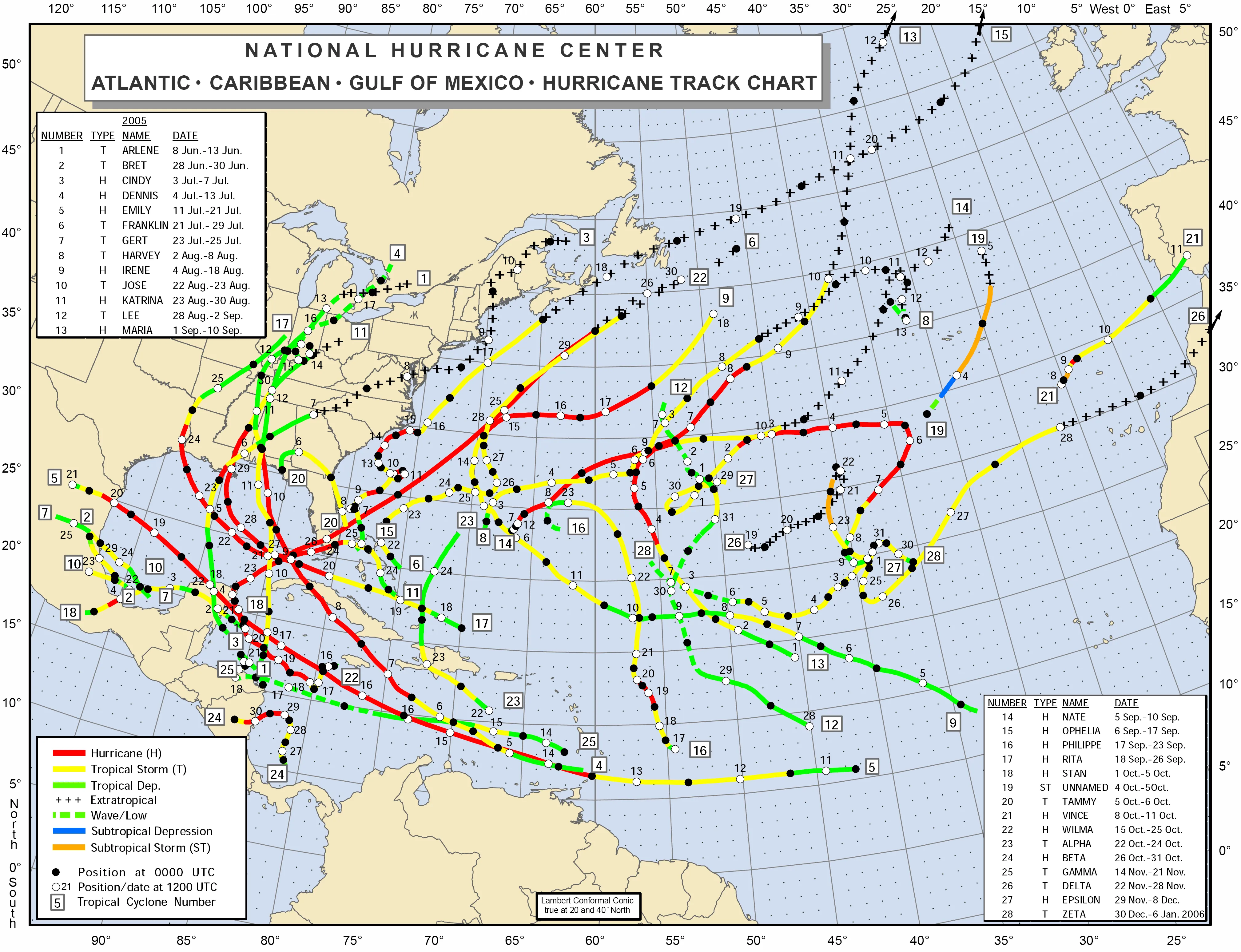
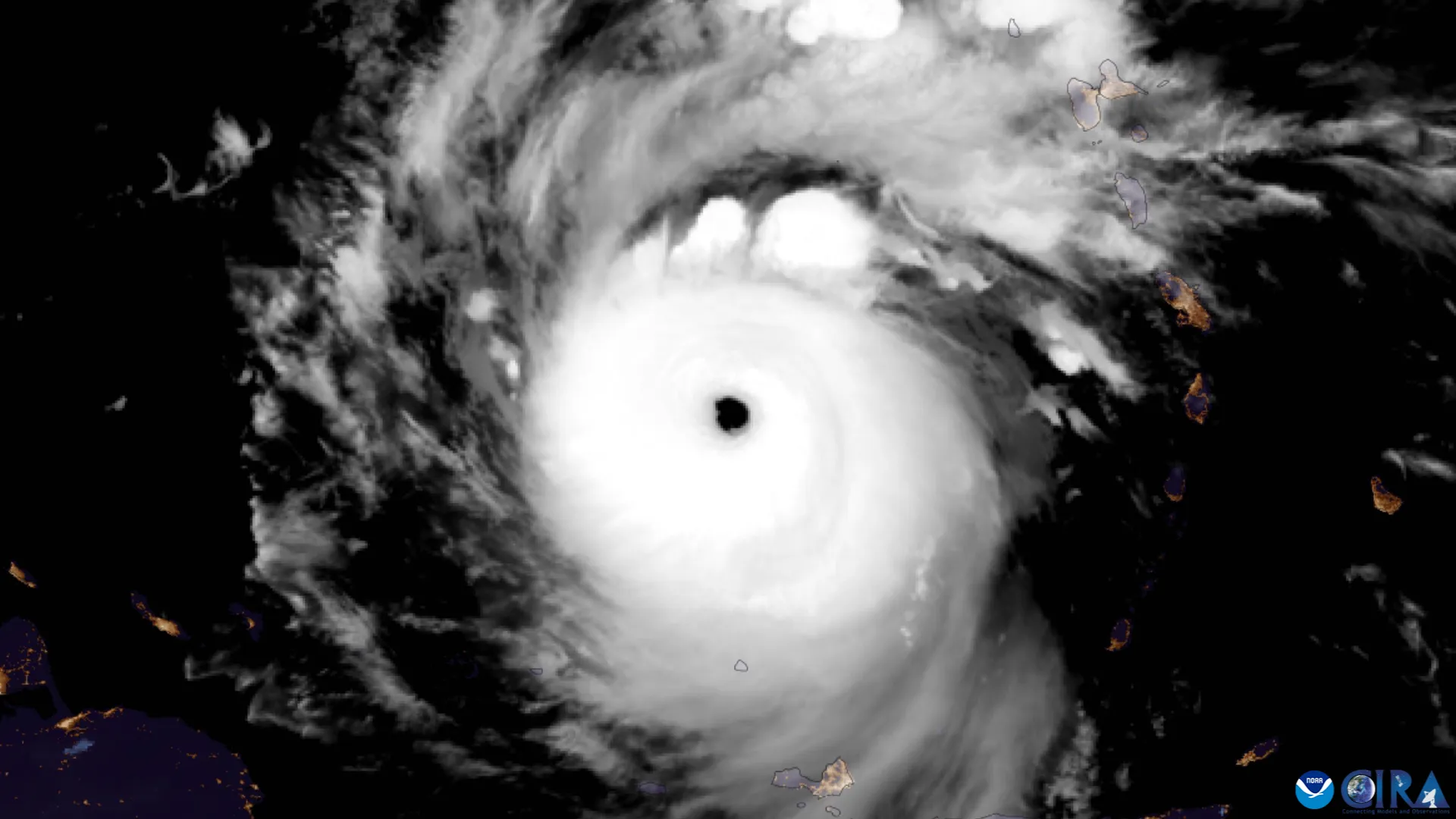
The pace of retirements reflects both rising coastal exposure and, in some periods, more intense storms. The 2005 season alone produced five retired names, Dennis, Katrina, Rita, Stan, and Wilma, the most ever struck from a single year's list. The catastrophic 2024 season added three more: at the WMO Hurricane Committee’s 2025 meeting, Beryl, Helene, and Milton were retired and replaced by Brianna, Holly, and Miguel, which will debut in 2030.4 Beryl had become the earliest Category 5 hurricane on record in the Atlantic, while Helene and Milton brought catastrophic damage to the United States; their reported death tolls have been revised as assessments continued.4
The Greek Alphabet and Its End
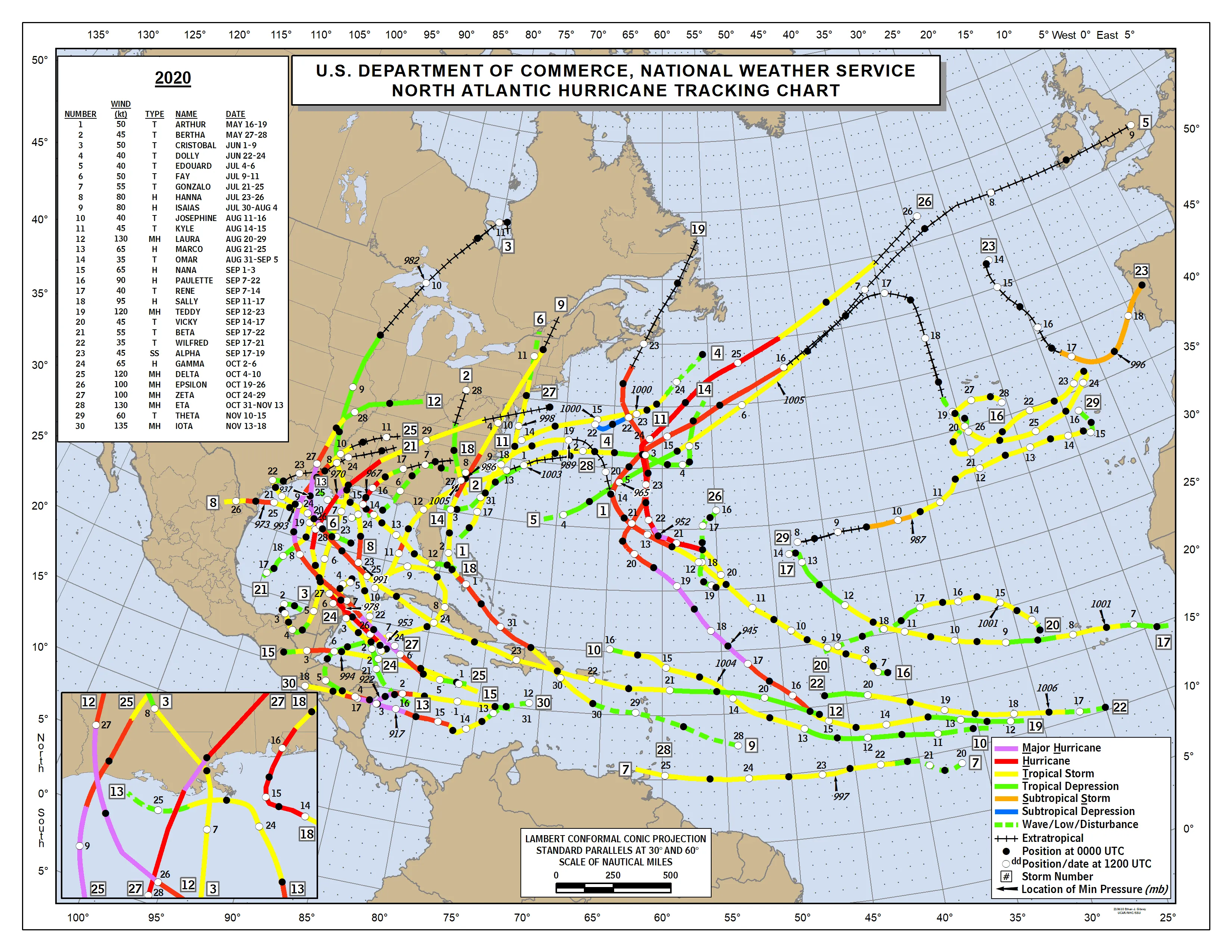
Twice, in the record-breaking 2005 season (28 named-strength storms, including one unnamed) and 2020 season (30 named storms), the Atlantic exhausted its 21-name list and turned to the Greek alphabet.1 But the Greek system proved problematic: some letters sound alike (Zeta, Eta, and Theta all appeared in 2020), translation into other languages is awkward, and retiring a deadly Greek-letter storm raised the absurd prospect of striking a letter of the alphabet from future use. In 2021 the WMO discontinued the Greek alphabet and replaced it with a supplemental list of ordinary names (Adria, Braylen, Caridad, Deshawn, and so on through Will) to be used whenever the regular 21-name list is exhausted.1 Names on this supplemental list can themselves be retired and replaced, just like those on the main lists.
What the List Tells Us
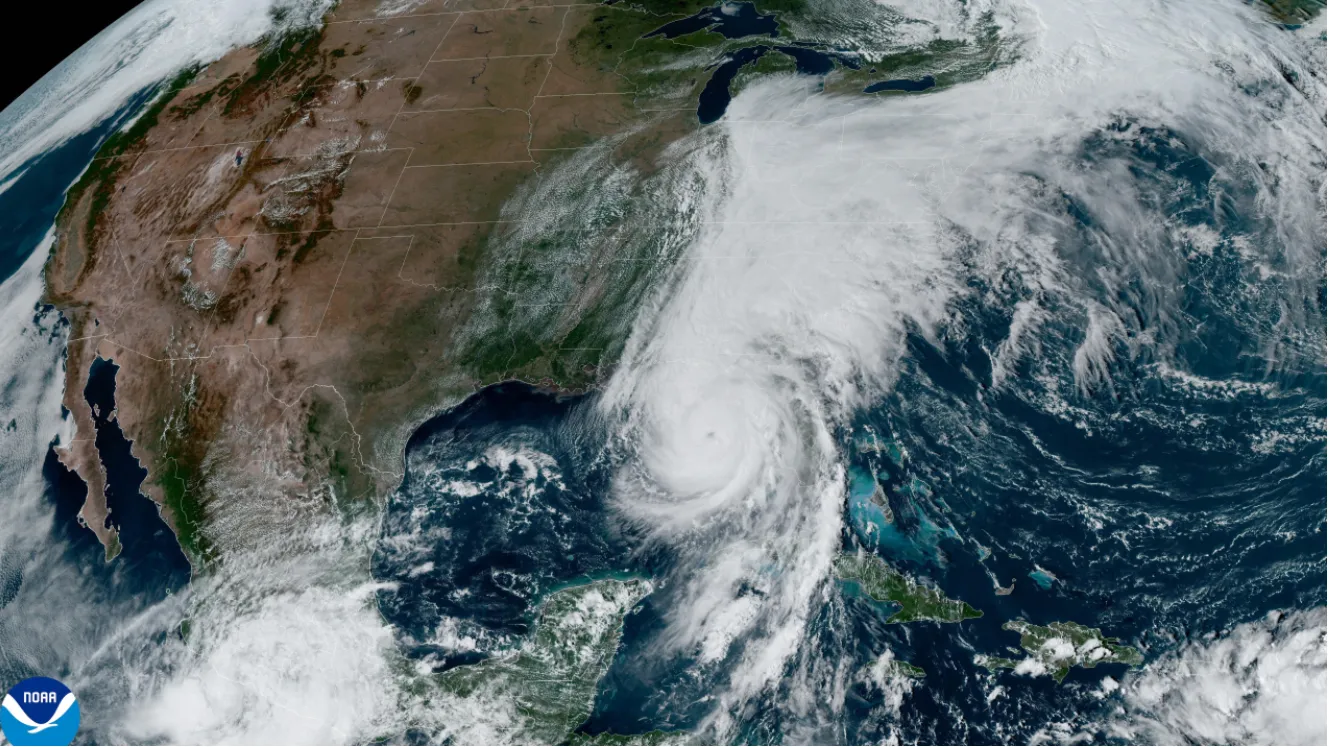
Retirement reflects impacts and committee decisions, not a standardized measure of storm intensity or a climate trend. In March 2026, WMO also retired Melissa after the 2025 Caribbean disaster, choosing Molly for the 2031 list.5 For the underlying storm record, see hurricane season trends.
Sources
-
World Meteorological Organization. Tropical Cyclone Naming. https://wmo.int/content/tropical-cyclone-naming ↩ ↩2 ↩3 ↩4
-
National Hurricane Center. Tropical Cyclone Names and Retired Names. NOAA. https://www.nhc.noaa.gov/aboutnames.shtml ↩ ↩2
-
National Hurricane Center. Tropical Cyclone Naming History and Retired Names. NOAA. https://www.nhc.noaa.gov/aboutnames_history.shtml ↩ ↩2 ↩3
-
World Meteorological Organization (2025). WMO Hurricane Committee retires names of Beryl, Helene, Milton and John. https://wmo.int/news/media-centre/wmo-hurricane-committee-retires-names-of-beryl-helene-milton-and-john ↩ ↩2
-
WMO. (2026). Hurricane Committee retires name of Melissa, replaces it with Molly. https://wmo.int/news/media-centre/wmo-hurricane-committee-retires-name-of-melissa-replaces-it-molly ↩