Homeowners policies often cover wind damage, subject to exclusions, limits and deductibles. Coverage limits should reflect the building’s estimated replacement cost rather than a generic national price range.
Homeowners Insurance and Hurricanes
Standard homeowners insurance (typically an HO-3 policy) covers wind damage from hurricanes, with significant limits. It protects your dwelling, other structures, and personal property against wind-driven harm, with coverage limits that usually run $250,000 to $500,000 depending on your home's replacement value.
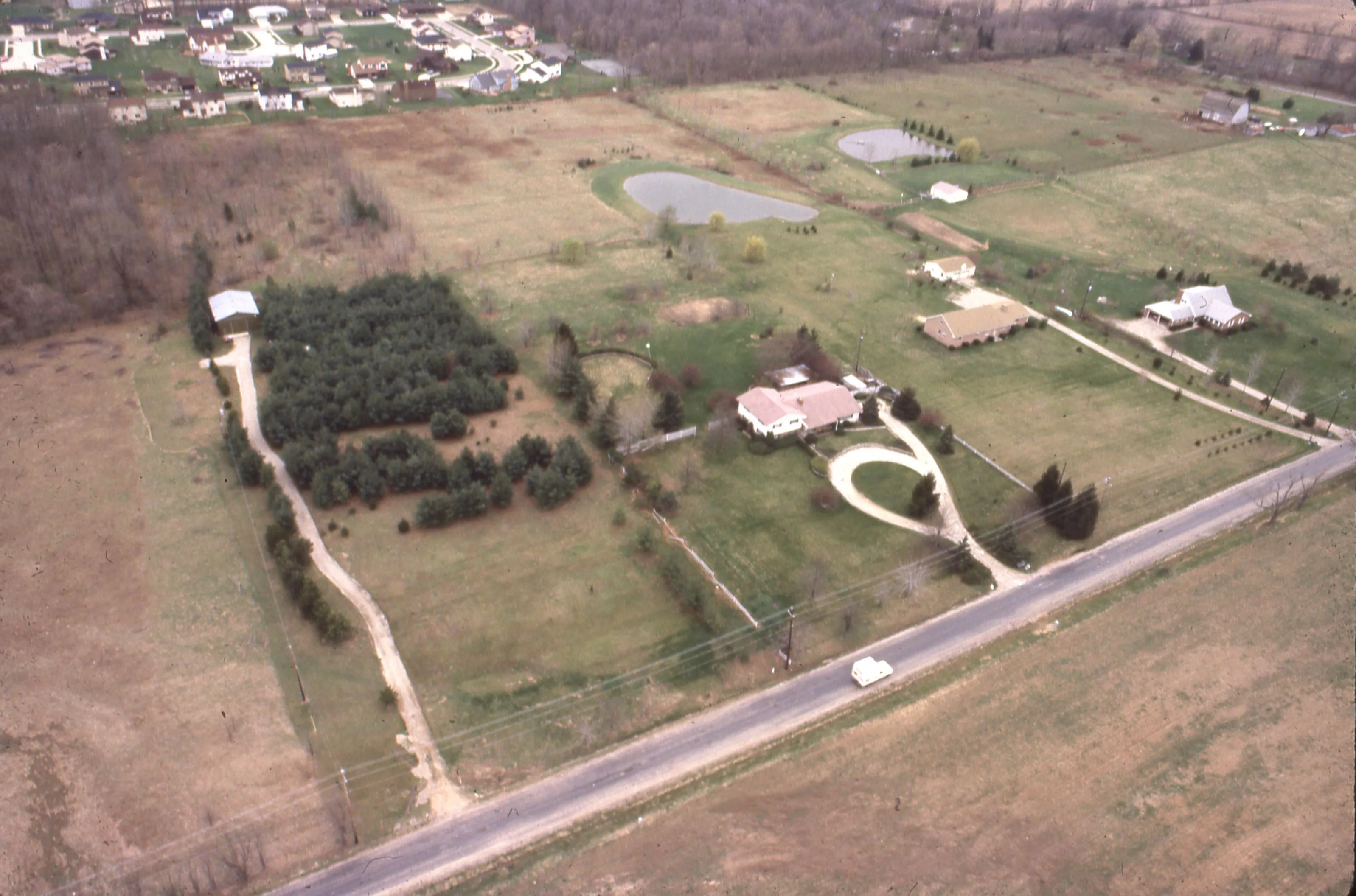
What HO-3 Covers
- Wind damage to your home's structure and roof
- Damage from windborne debris and objects
- Damage to attached structures like garages and carports
- Personal property damage from wind (furniture, electronics, clothing)
- Additional living expenses if your home becomes uninhabitable
Identifying the cause of damage matters because wind and flood coverage can be provided by different policies. An assessment may need to distinguish several contributing causes. Check the policy’s coverage, exclusions, and deductible rather than assuming every hurricane-related loss is covered.
Hurricane Deductibles: A Hidden Shock
Here's where homeowners meet an unpleasant surprise. Instead of a flat $500 or $1,000 deductible, hurricane deductibles are usually percentage-based, running 2 percent to 5 percent of your dwelling's insured value. On a home insured for $300,000, a 2 percent deductible means you pay $6,000 out of pocket before coverage begins; a 5 percent deductible is $15,000. Several states allow deductibles up to 10 percent in high-risk areas.1
Deductible frequency varies by state and policy. Florida has calendar-year rules with conditions; elsewhere a deductible may apply per event. See hurricane deductibles.
Flood Insurance: The Separate Policy Reality
Standard homeowners and renters policies generally exclude flooding. Separate NFIP or private flood coverage, or a qualifying endorsement, may cover it. Wind-driven rain entering a damaged roof is not automatically the same as excluded surface flooding.

The National Flood Insurance Program (NFIP)
For eligible one-to-four-family residential buildings, NFIP building coverage is available up to $250,000 and contents coverage up to $100,000. Building and contents coverage have separate limits and deductibles; basement coverage is restricted. Pricing is property-specific.2
The 30-Day Waiting Period
NFIP coverage generally starts after a 30-day waiting period, with exceptions such as certain loan-related purchases. Private terms and storm-related binding restrictions vary. Arrange coverage before a threat rather than relying on an exception.2
Private Flood Insurance Alternatives
Private insurers now write flood policies in most states, often with competitive rates, higher limits (up to $2 million), and shorter waiting periods. Private flood coverage can make sense if you've recently renovated or your home's value exceeds the NFIP limits. Read these policies carefully, though: not all are equal, and some carriers have exited the market during hard years.
Who Actually Needs Flood Insurance?
- Anyone with a mortgage in a high-risk (100-year) flood zone, where federal lending rules or the lender require it
- Properties in moderate- to low-risk zones, strongly recommended even so
- Homes with basements or below-grade areas, where even minor flooding does major damage
- Any property in a hurricane-prone region, where surge and rainfall can outrun typical flood elevations
Windstorm and Wind-Hail Policies
In coastal states where hurricanes are frequent, many insurers exclude wind from standard homeowners policies or charge steep premiums for it. To fill that gap, state-created windstorm and wind-hail pools exist. These are separate, stand-alone policies available in coastal areas of Florida, Texas, Louisiana, Mississippi, Alabama, South Carolina, North Carolina, and other hurricane-exposed states.1
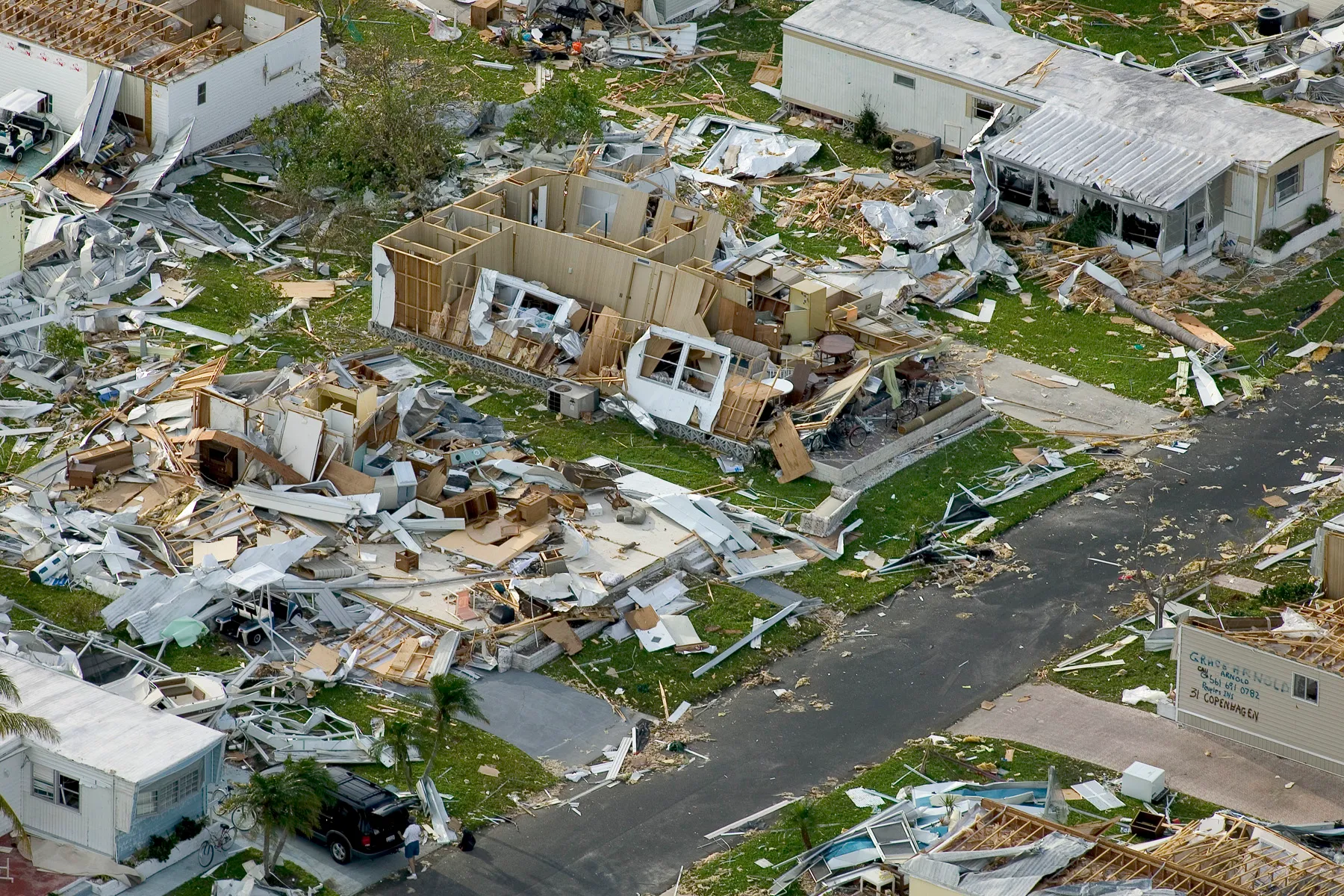
How Windstorm Policies Work
Separate wind coverage has its own limits, exclusions, deductibles and eligibility. Compare the actual quote and policy with existing coverage; generic premium or limit ranges can mislead.
When Windstorm Coverage Is Required
If wind is excluded, ask about private coverage and any eligible residual-market program. Rates and availability differ; these programs are not universally more expensive or slower than private insurers.
Understanding Coverage Limits and Replacement Cost
Replacement Cost vs. Actual Cash Value
Insurers calculate payouts two ways. Replacement cost value (RCV) covers the full cost to repair or replace using current prices. Actual cash value (ACV) subtracts depreciation. A roof that costs $20,000 to replace, but was 15 years old, might pay only about $12,000 under ACV. Most homeowners policies provide RCV, but confirm it explicitly on your declarations page.
Dwelling vs. Contents Coverage
Dwelling coverage protects the structure; contents coverage protects furniture, electronics, clothing, and other personal property. Contents limits are specified separately; there is no universal 80/20 allocation. In a hurricane, both matter, because many homes take water damage to structure and contents alike.
The Underinsurance Problem
Replacement cost differs from sale price because it concerns rebuilding, generally excluding land. Ask for an updated reconstruction estimate. Some policies reduce partial-loss payments when insurance falls below a specified replacement-cost requirement; the calculation is policy-specific.
Coverage Gaps to Watch
Loss of Use and Additional Living Expenses
Additional living expense coverage generally pays necessary increased living costs when a covered loss makes a home uninhabitable, subject to limits and conditions. NFIP does not cover ALE. A flood loss therefore does not automatically trigger homeowners ALE.2
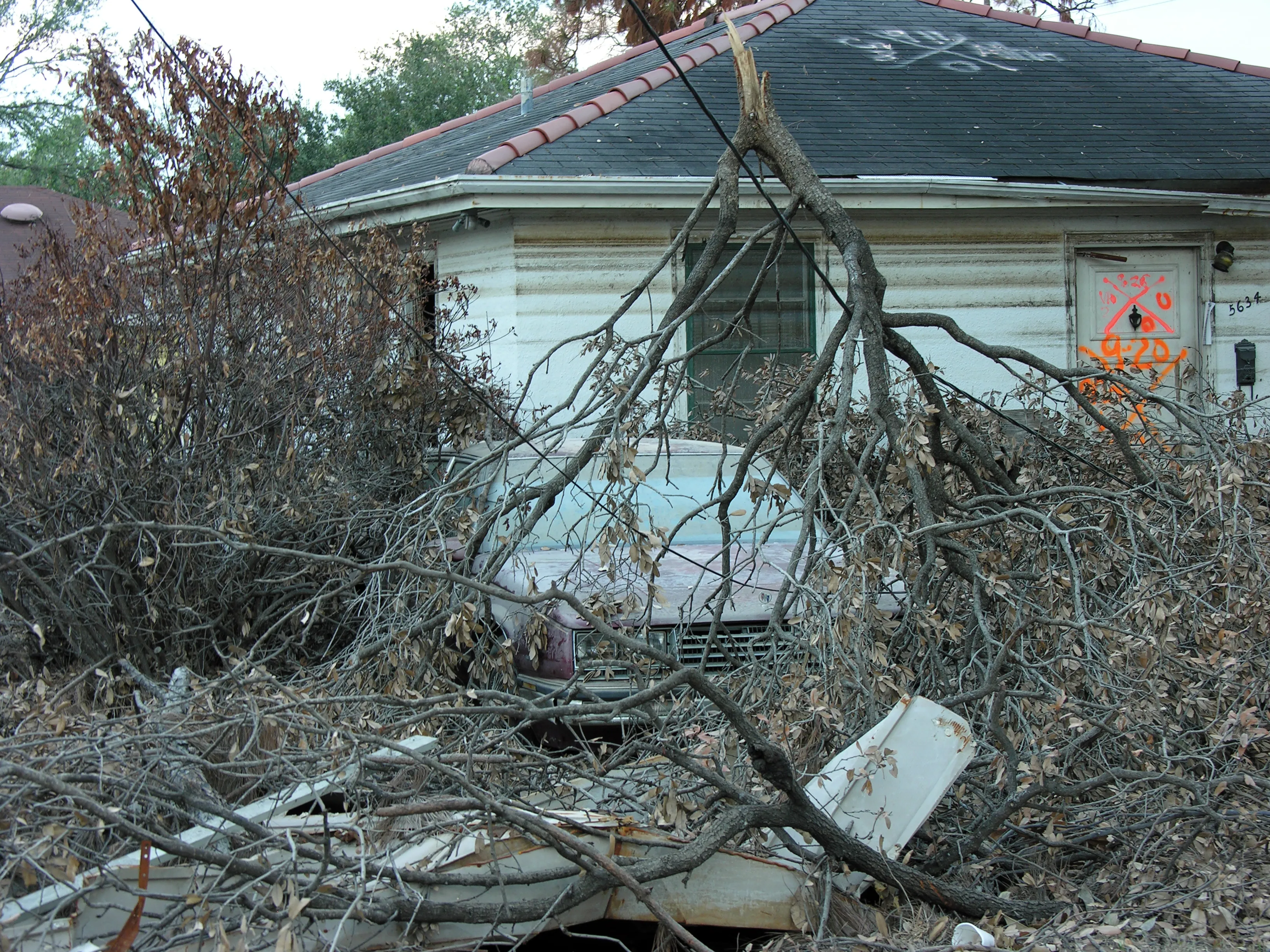
Debris Removal
Debris-removal coverage depends on the damaged property, covered cause and policy sublimits. Check whether an allowance is inside or additional to other limits.
Business Property and Equipment
If you run a home-based business, a standard homeowners policy severely limits coverage for business equipment, inventory, and liability, often excluding business property entirely or capping it around $2,500. If you work from home, you likely need a separate home-based business policy.
Pools, Hot Tubs, and Outbuildings
Damage to pools, hot tubs, and separate structures like sheds may be covered at lower limits or excluded outright. Read the declarations page to confirm what's included.
How to Evaluate Your Current Coverage
Step 1: Gather Your Policy Documents
Request your complete homeowners, flood, and windstorm policies from your insurer(s). Focus on the declarations page (the summary), which lists coverage types and limits, and the exclusions section, which spells out what isn't covered.
Step 2: Identify Coverage Limits
Write down, for each policy:
- Dwelling coverage limit
- Personal property coverage limit
- Liability coverage limit
- Medical payments limit
- Deductible (dollar amount or percentage)
- Hurricane deductible (if different)
- Additional living expenses limit
- Flood coverage limit (if applicable)
- Windstorm/wind-hail coverage limit (if applicable)
Step 3: Calculate Your Home's Replacement Cost
Obtain a property-specific reconstruction estimate that includes local labor, materials, building features and applicable code requirements. A generic cost-per-square-foot range is not a reliable coverage recommendation.
Step 4: Compare Limits to Replacement Cost
Aim to insure the appropriate reconstruction cost. An 80% clause is commonly a condition for replacement-cost settlement, not proof that 80% coverage is enough after a total loss. Review limits and any extended-replacement or ordinance-and-law coverage.
Step 5: Review Exclusions
Look for explicit wind exclusions, flood exclusions, and limits on specific property types (pools, outbuildings, business property). Note anything you expected to be covered but can't find.
Step 6: Verify Deductible Calculations
If your policy has a percentage-based deductible, work out the dollar amount: a 2 percent deductible on a $300,000 home is $6,000. Confirm whether your policy lets you choose a lower percentage in exchange for a higher premium.
Coverage is only half the picture. When a storm actually hits, what you do in the first days decides how much of that coverage you collect, so read our step-by-step guide to filing a hurricane insurance claim next, and the common pitfalls that cost homeowners the most. And the cheapest claim is the one you never file: the engineering in how to hurricane-proof your home is what keeps the wind damage small in the first place.
Sources
-
Insurance Information Institute. Hurricane season insurance guide. https://www.iii.org/article/hurricane-season-insurance-guide ↩ ↩2
-
Federal Emergency Management Agency. National Flood Insurance Program — Policy Terms (coverage limits and 30-day waiting period). FloodSmart.gov. https://www.floodsmart.gov/policy-terms ↩ ↩2 ↩3