One framing before the list, because it changes how you read it. Which of these eight apply to you depends entirely on your state and your specific policy. Treat the list as a checklist to run against your own declarations page, not a description of what you already have. And if we had to rank them, the flood-exclusion gap is the one that bankrupts people, precisely because it's the one they're most certain they don't have.
Pitfall 1: The Flood Exclusion Misconception
The most dangerous assumption homeowners make is that hurricanes are covered by homeowners insurance. They are, but only the wind component. Standard policies generally exclude flooding. Many homeowners, believing a catastrophic hurricane must trigger some exception, never buy flood insurance. Check any flood endorsement or separate flood policy.
Why Homeowners Think Flooding Might Be Covered
It's easy to conflate a hurricane with coverage for a hurricane. A storm bringing torrential rain and surge sounds catastrophic enough to be covered. It isn't. Flood is flood, whether it arrives with a hurricane or an ordinary rainstorm, and insurers exclude it because flood loss is predictable, concentrated in known areas, and would make policies unaffordable if bundled in. For how the three policy types divide the risk, see hurricane insurance 101.
The Fix
Consider flood coverage before a threat. NFIP normally has a 30-day waiting period, with exceptions; private policy terms vary. Harvey’s $125 billion estimate is total U.S. damage in 2017 dollars, not a verified flood-only uninsured-loss figure.1
Pitfall 2: Underinsurance From a Replacement-Cost Miscalculation
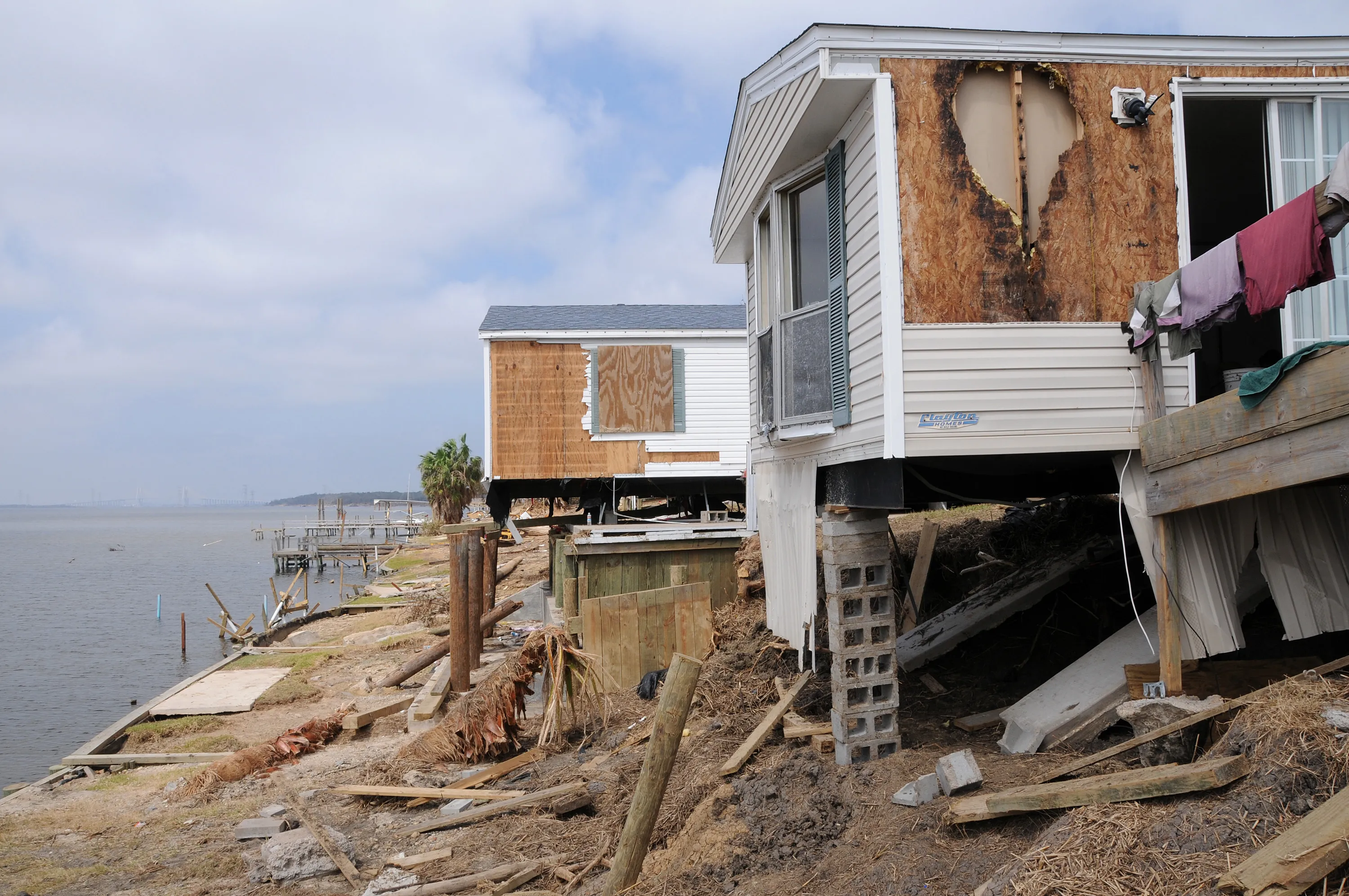
Underinsurance is common. Homeowners estimate their home's replacement cost, insure for that number, and learn after a hurricane that the limit does not cover the actual reconstruction cost.2 That gap comes straight out of pocket.
Why Underinsurance Happens
Replacement cost is genuinely hard to estimate. The market value of your home (what you could sell it for) is very different from its replacement cost (what it costs to rebuild after total destruction). A home worth $400,000 on the market might cost $600,000 to rebuild once you add labor, contractor markups, material inflation, and code upgrades. Insure at market value instead of replacement cost, and you end up badly underinsured.
The Fix
Request a replacement-cost estimate from your agent; many provide one free using actuarial models. Sanity-check it against local construction costs and comparable recent builds, and be honest about square footage, materials, and finishes. Update it every year, because inflation keeps pushing rebuild costs up.
Pitfall 3: Hurricane Deductible Shock
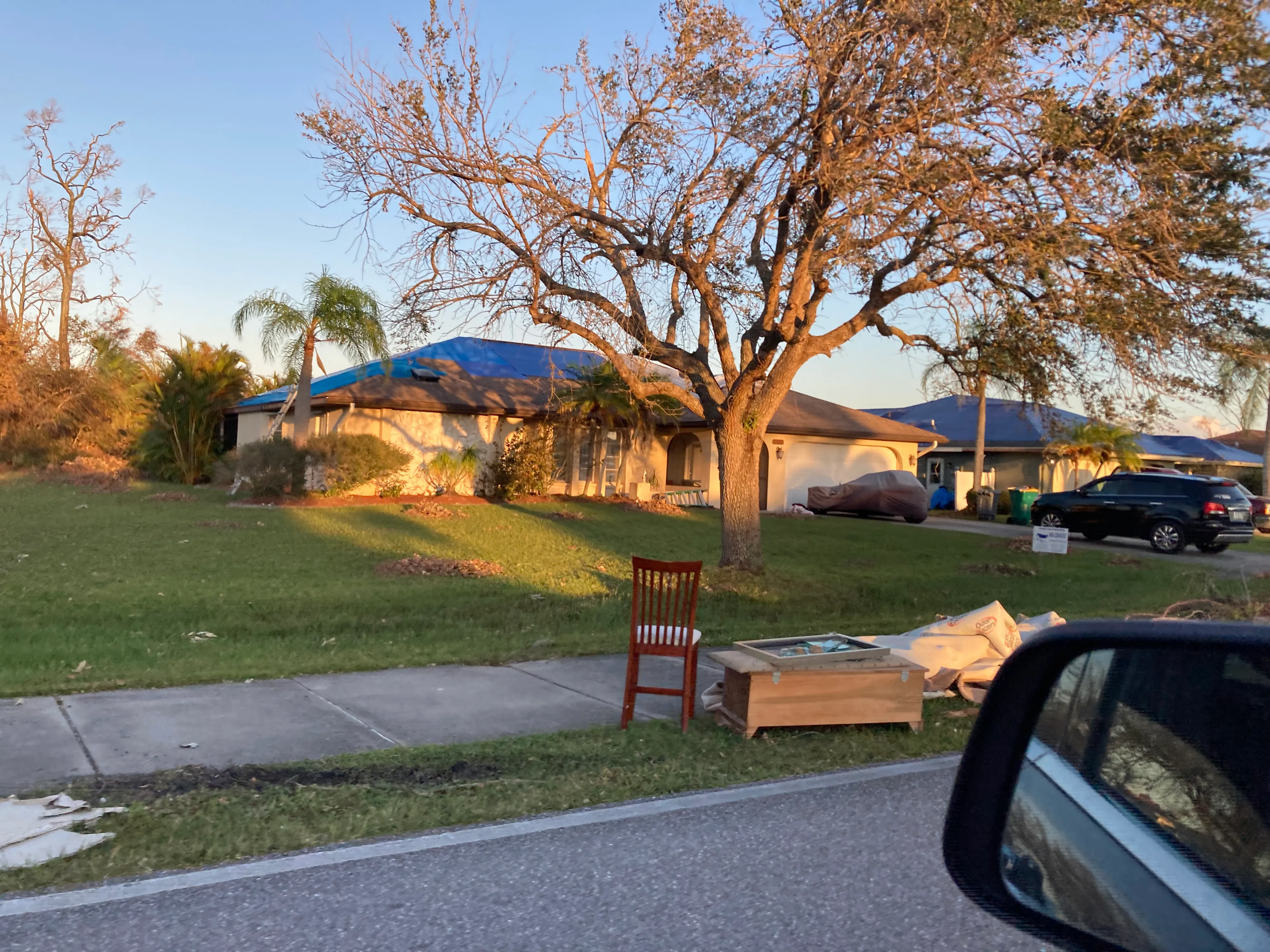
Percentage-based hurricane deductibles catch homeowners off guard: a 2–5 percent deductible on a $300,000 home is $6,000 to $15,000 out of pocket before coverage even begins.2 Many owners have never worked out their actual number. (The full mechanics are in hurricane deductibles explained.)
The Compound Problem
Deductibles may apply per event or under annual aggregation rules. Florida generally uses calendar-year hurricane deductibles with the same insurer or group, but later claims can still carry an ordinary deductible or remaining hurricane deductible. See deductible rules.
The Fix
Work out your exact hurricane deductible now, as a percentage of your dwelling limit. Check whether your policy lets you choose a lower percentage in exchange for a higher premium. If your deductible is larger than your emergency fund, close that gap before the season, through more savings, a lower deductible, or both.
Pitfall 4: Anti-Concurrent Causation Clauses
An ACC clause can exclude damage involving an excluded cause, subject to its wording and applicable law. It does not automatically mean every part of a multi-cause claim is denied.
When several causes contribute to damage, policy wording can affect how the claim is assessed. Ask your insurer to explain the relevant exclusions and any anti-concurrent-causation clause in writing. Interpretation can depend on the policy and applicable law.
An Example
Wind damage and later surface flooding can affect the same building. The insurer must assess the evidence and policy terms. Rain entering through a wind-created opening may be covered and should not automatically be treated as excluded floodwater.
The Fix
Ask your insurer to explain exclusions and obtain qualified help for a dispute. State law and case law matter; a blanket statement that Texas prohibits these clauses is inaccurate.
Pitfall 5: Inadequate Loss-of-Use Coverage
Additional living expense coverage can pay necessary increased living costs after a covered loss, subject to policy limits and duration. NFIP excludes this coverage; a flood-related displacement does not automatically trigger homeowners ALE.
The Reconstruction Timeline Reality
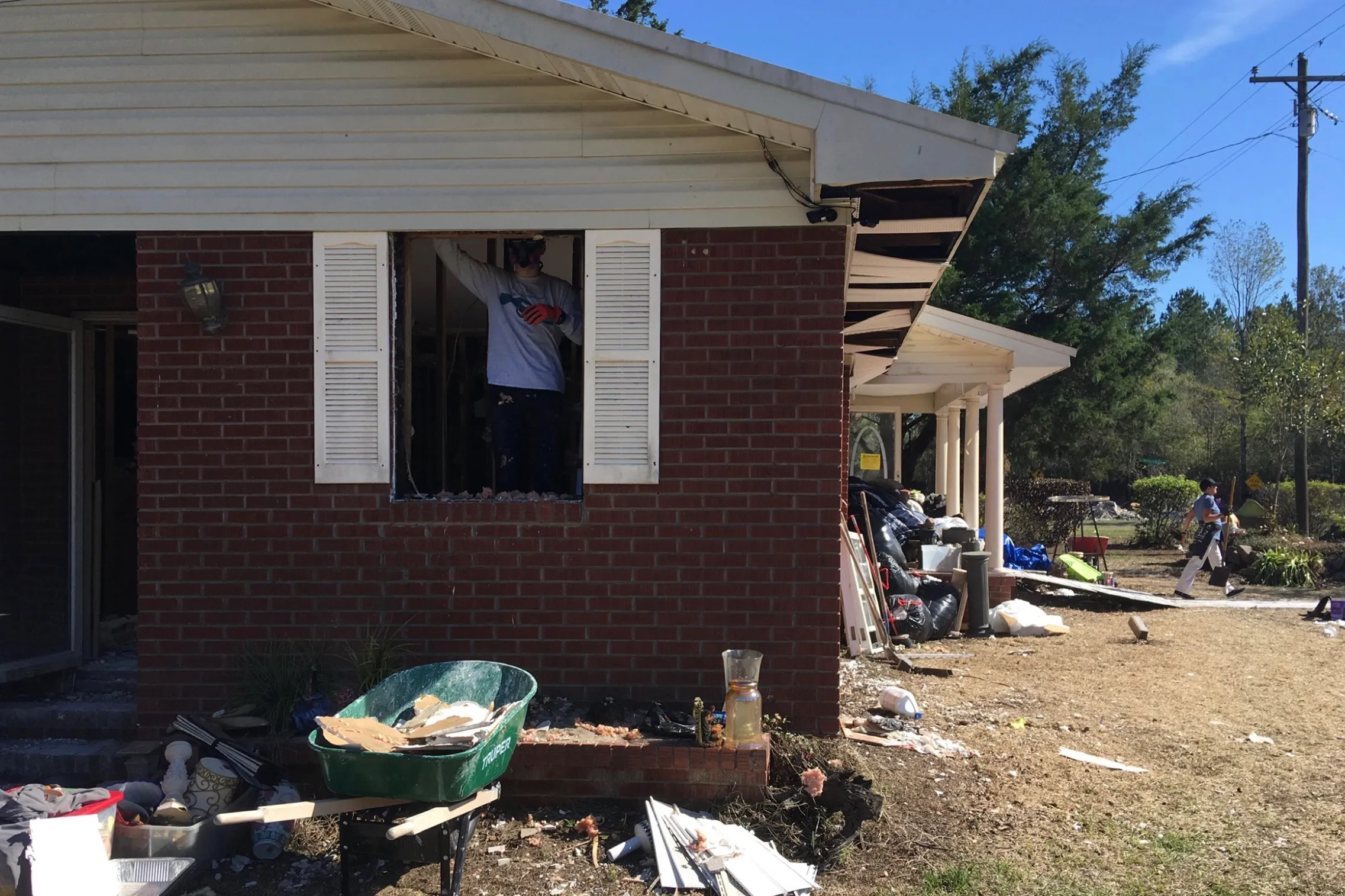
After Hurricane Katrina (2005), many homeowners lived in temporary housing for 3–5 years while reconstruction crawled: contractors overbooked, materials scarce, and insurance disputes stalling approvals. Policies that promised 24 months of loss-of-use coverage ran dry while homes were still half-rebuilt, and families absorbed the rest.
The Fix
Check the monetary and time limits and whether the cause of loss qualifies. A $60,000 total limit over a possible 24-month period is not automatically a $2,500 monthly entitlement; benefits usually reimburse eligible increased expenses.
Pitfall 6: Not Updating Coverage After Renovations
Homeowners often improve a home, new kitchen, added deck, replaced roof, upgraded electrical, without ever raising their coverage limits. If a hurricane then damages the improved home, the original limits apply, and the value of recent work goes unprotected.
The Reconstruction Dilemma
Say you spend $50,000 upgrading your kitchen while your dwelling coverage stays at $300,000, the figure set before the renovation. If a hurricane damages the home, the insurer pays against that original $300,000 limit, and the $50,000 kitchen may not be fully compensated once total damage exceeds the limit.
The Fix
After significant improvements, update your coverage. Give your insurer photos, contractor invoices, and permit documentation, and request an updated replacement-cost estimate so coverage reflects the current value. Review at least annually, and more often while you're making changes.
Pitfall 7: Outdated or Lapsed Coverage
Policies lapse over non-payment. People change banks, miss a payment notice, or assume a renewal happened automatically when it didn't. A policy in force for 20 years can cancel over a single missed payment, and the hurricane arrives two months later to find no coverage at all.
The Notification Problem
Insurers must give notice before canceling a policy, but that notice can go to an old address, a dead email, or a disconnected phone. A homeowner who moved without updating their contact information may never see the warning, and only discovers the lapse when the storm hits.
The Fix
Set a reminder to confirm your coverage is current 60 days before hurricane season (June 1 in the Atlantic basin). Make sure your insurer has your current address, email, and phone, enroll in auto-payment through your bank to prevent a missed payment, and review your declarations page each year to confirm limits and deductibles are right.
Pitfall 8: Actual Cash Value vs. Replacement Cost
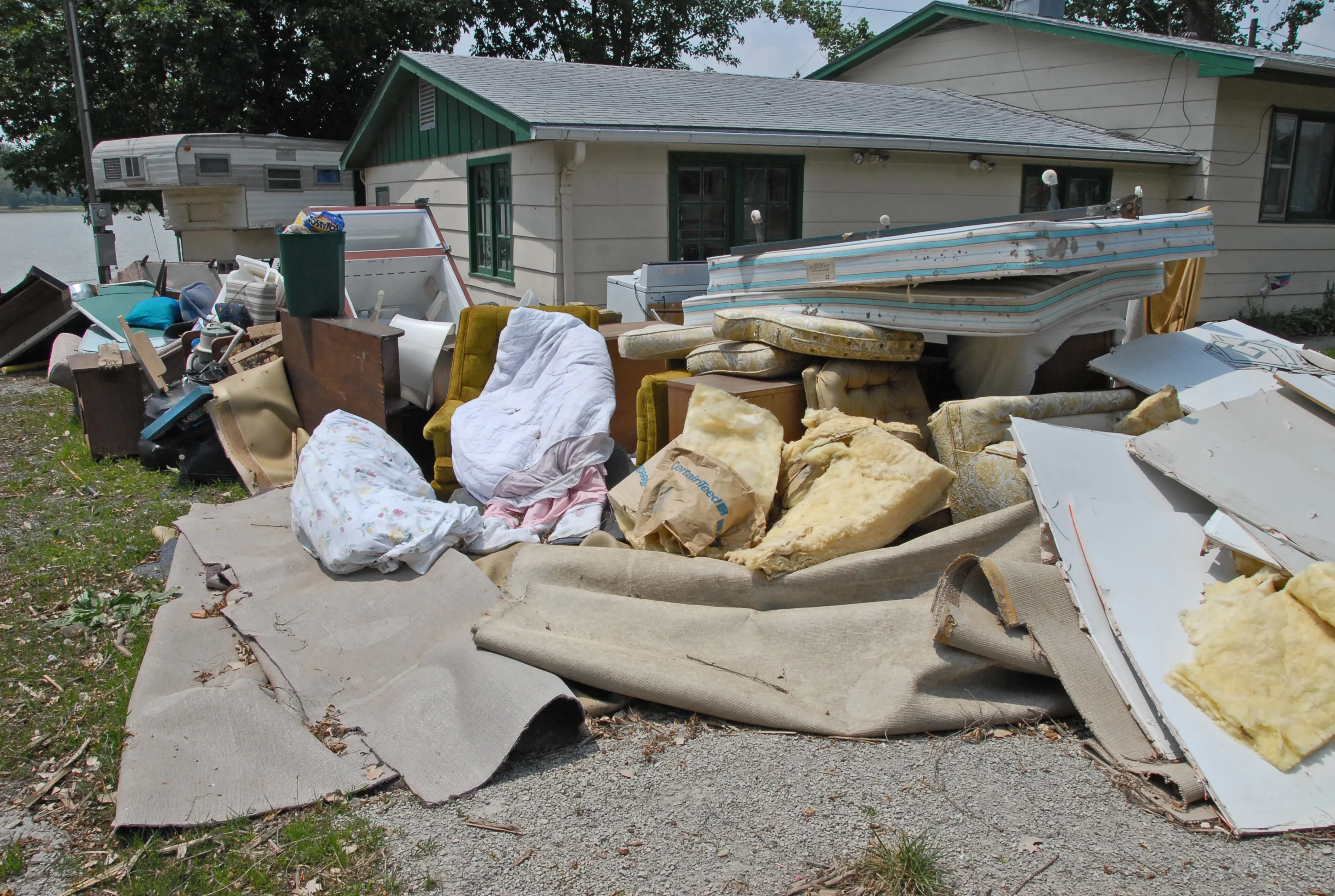
Some policies pay actual cash value (ACV) rather than replacement cost value (RCV). ACV subtracts depreciation from the payout.3 A $20,000 roof might pay only about $12,000 under ACV if it's 15 years old and depreciated.
The Depreciation Impact
ACV is reasonable for old possessions (a 20-year-old water heater that cost $1,200 new has depreciated a lot), but it turns punishing on structural elements and major systems. A roof near the end of its 25-year life is penalized hard for not having been replaced sooner. Most homeowners policies use RCV for the dwelling but may use ACV for contents, so check your policy language.
The Fix
Confirm your dwelling coverage uses RCV, not ACV. If your policy uses ACV for contents, decide whether that's acceptable, and ask about upgrading contents to RCV; compare the premium and settlement terms.
How to Audit Your Policies

Annual Policy Review Checklist
- Confirm dwelling coverage reflects current replacement cost, not market value
- Review flood coverage limits against your building and contents needs
- Calculate your exact hurricane deductible in dollars and confirm you can afford it
- Verify the policy uses RCV, not ACV, for dwelling coverage
- Review loss-of-use limits, duration and covered causes
- Check for ACC (anti-concurrent causation) language and your state's rules on it
- Verify your insurer's contact information is current and auto-pay is enrolled
- Confirm coverage includes recent improvements and renovations
- Review the exclusions list for any surprising gaps
- Compare your premium to competitors each year
When to Shop for New Coverage
Consider shopping if your current insurer:
- Has raised premiums more than 15 percent in a year without explanation
- Uses ACV instead of RCV and declines to upgrade
- Carries ACC clauses in a state that discourages them
- Excludes recent renovations
- Has a poor claim history or customer-satisfaction record
- Is in financial difficulty (check your state insurance commissioner's office)
You may find better coverage at a lower premium, especially if you're willing to accept a higher deductible or insure with a smaller, well-capitalized regional carrier. When a storm does hit, the companion guide to filing a hurricane insurance claim picks up where this one leaves off.
Sources
-
Federal Emergency Management Agency. National Flood Insurance Program — Policy Terms (coverage limits and 30-day waiting period). FloodSmart.gov. https://www.floodsmart.gov/policy-terms ↩
-
Insurance Information Institute. Background on: Hurricane and windstorm deductibles. https://www.iii.org/article/background-on-hurricane-and-windstorm-deductibles ↩ ↩2
-
National Association of Insurance Commissioners. What's the Difference Between Actual Cash Value Coverage and Replacement Cost Coverage? https://content.naic.org/article/whats-difference-between-actual-cash-value-coverage-and-replacement-cost-coverage ↩