Post-hurricane recovery is largely a financial and administrative process: inspections, insurance claims, federal applications, contractor contracts, and the records that tie them together. The order in which you take these steps has a real effect on the outcome, and poor sequencing can add years and considerable cost to a recovery. This guide sets out that sequence, from safe re-entry through long-term financial recovery.
Confirm the home is safe before re-entry
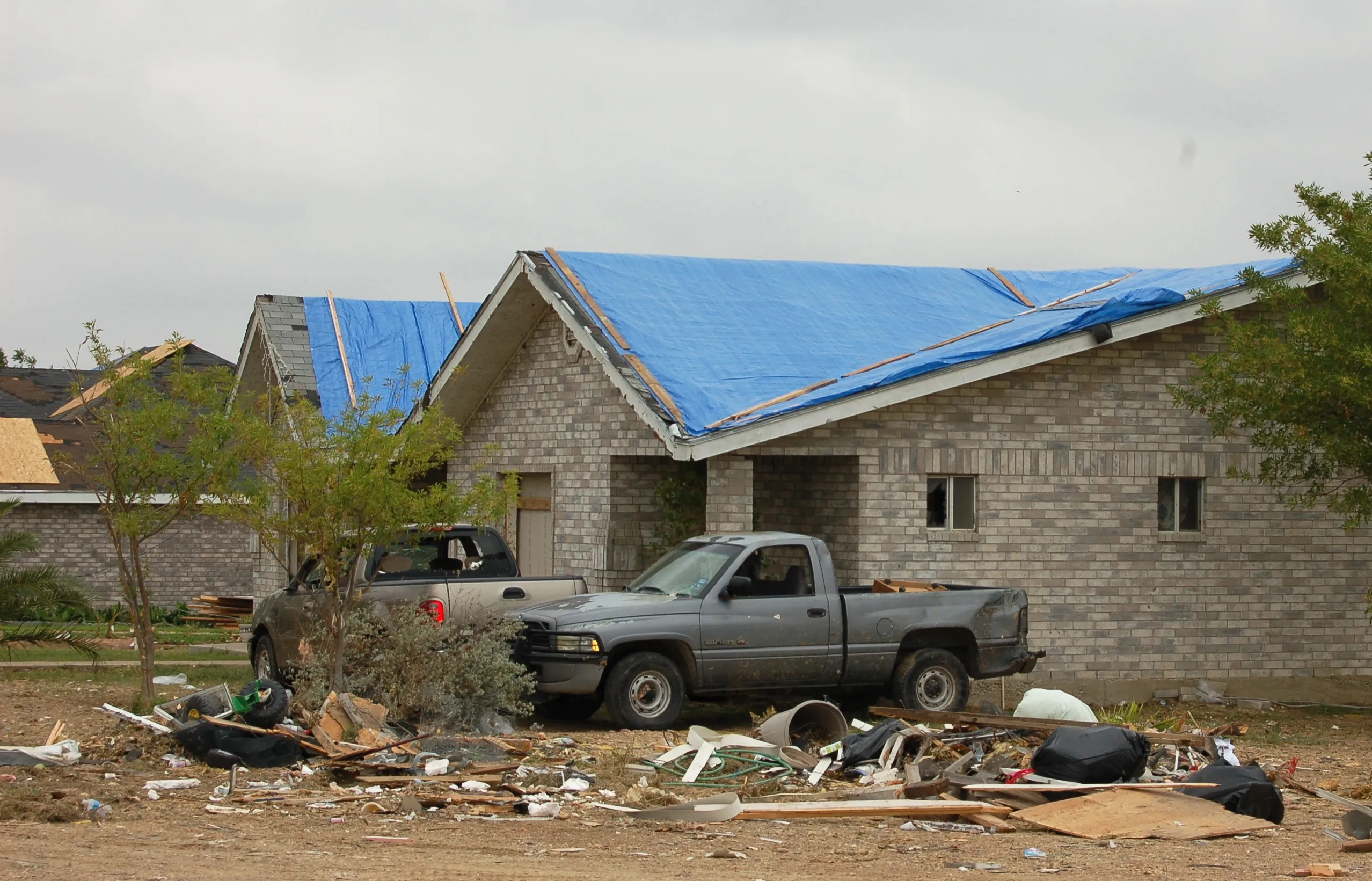
Before any recovery planning begins, establish whether the home is safe to occupy. Storm-damaged structures can present hazards that are not visible from the street: compromised floors, energized wiring behind wet drywall, weakened roof framing, and mold already developing inside the walls. A qualified assessment can help identify damage and the repairs or further inspections needed.
Professional inspection
Engage a licensed home inspector or a structural engineer to evaluate the home's condition. A thorough inspection covers:
- Foundation, including cracks or settlement
- Roof structure, not only the shingles
- Wall and floor stability
- Electrical and plumbing systems
- The HVAC system
- Water intrusion and mold
Ask what the inspection covers, who will perform it, and what it will cost. Structural, electrical, and mold assessments may require different specialists.
When the home is temporarily uninhabitable
If the inspection identifies significant structural damage, water intrusion, mold, or electrical hazards, the home may be temporarily uninhabitable. That status may also affect eligibility for additional living expenses (ALE) coverage or assistance from the Federal Emergency Management Agency (FEMA). Coverage depends on the cause of loss and policy terms; federal assistance has separate eligibility requirements. Obtain the inspector's findings in writing and include them in both the insurance claim and any federal application.
Document the damage before cleanup begins
Documentation supports a claim, while coverage and policy terms determine what is payable. Rushed documentation tends to miss damage that becomes apparent only later, and once material has been removed to the curb, it is difficult to substantiate.
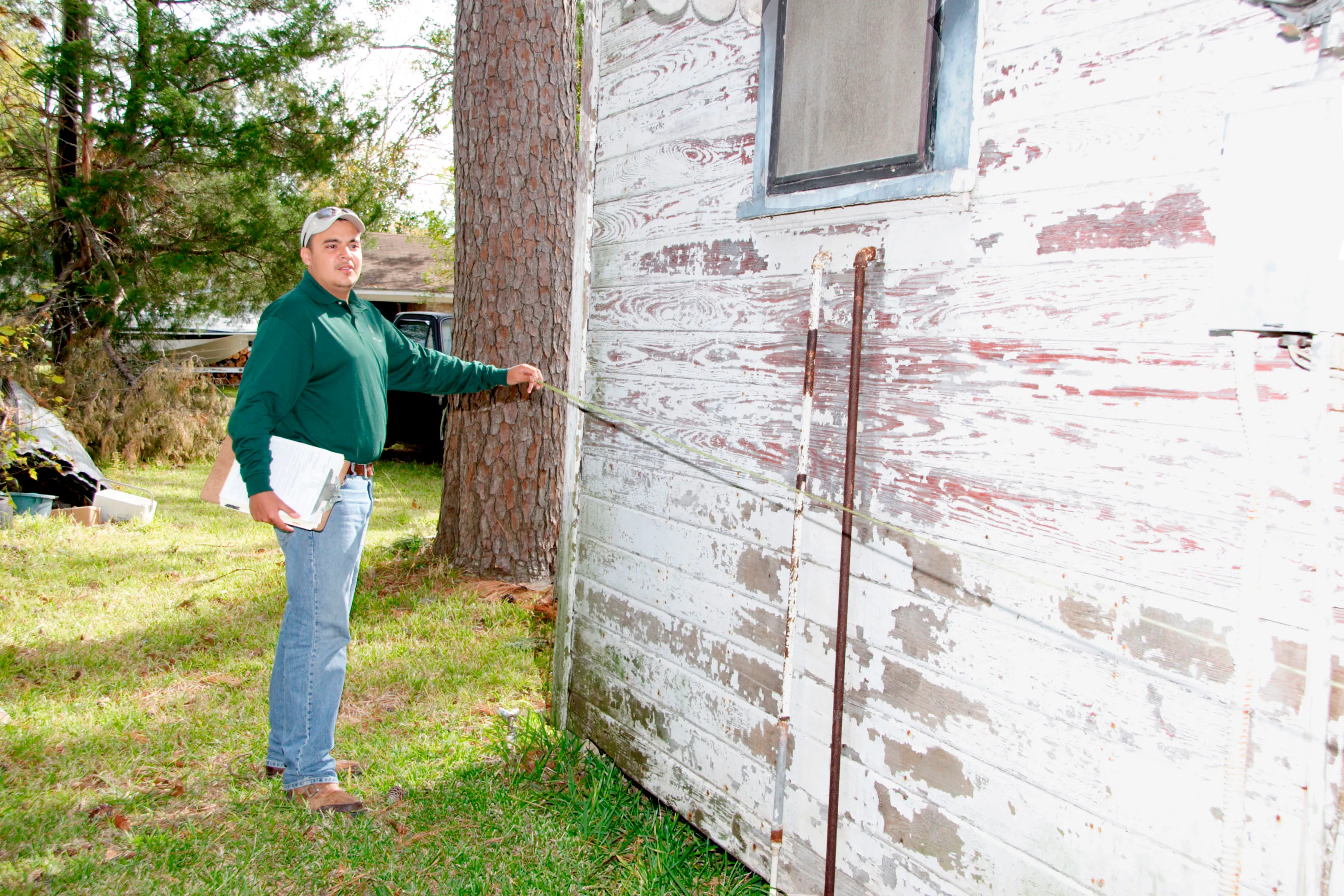
Where it is safe, photograph damage and floodwater marks before cleanup changes the evidence. Record the date and location of each image, contact your insurer, and keep receipts for emergency work. Follow instructions about samples or disposal of damaged property.1
Allow for delayed damage
Some damage develops over several days. Absorbed water wicks up drywall and supports mold growth, wet insulation begins to deteriorate, and standing water attracts pests. Document damage as soon as it is safe, and add photographs or records if further damage becomes apparent. Do not delay safe drying or necessary mitigation to wait for a later documentation pass. CDC recommends cleaning and drying within 24 to 48 hours where possible; safe re-entry comes first.2
Getting help with the claim
Ask your state insurance department about licensed assistance if you need help documenting or disputing a claim. Confirm whom an adjuster represents, what work they will perform, and how fees are calculated before signing an agreement. A contractor’s repair estimate is a different service from representation in an insurance claim.
Build a room-by-room damage list
Work through the home space by space and organize what you find:
- Structural: roof, walls, foundation, doors, windows
- Water: saturated insulation, damaged drywall, flooring
- Contents: furniture, appliances, personal property
- Systems: electrical, plumbing, HVAC, security
- Yard and outbuildings: fences, pools, sheds
For each item, record its pre-storm condition, the damage, a replacement-cost estimate, and a photograph. This list becomes the basis of your position if the insurer disputes any part of the loss.
Finding funds for recovery
Insurance, disaster assistance, savings, and loans may all play a part. Check application deadlines early; do not wait for an insurance settlement before investigating assistance or applying for an eligible SBA disaster loan.3
One point is worth stating plainly, because the misunderstanding is common and costly: FEMA assistance is not insurance. It functions as a floor rather than a settlement, intended to keep households housed and safe, and the average grant is a fraction of the cost of a substantial rebuild. Treating a FEMA grant as the recovery budget generally leaves a shortfall.
No guide can determine whether your policy covers a specific loss. That depends on your state, your particular policy, your deductible, and the cause the adjuster assigns to each element of damage. Review your declarations page, and where the coverage is unclear, obtain the insurer's position in writing before agreeing to a settlement.
Insurance
The insurance claim is usually the largest source of funds, so it warrants the most attention. File thoroughly, document comprehensively, and evaluate the initial settlement carefully rather than accepting it by default. Our guide to filing a hurricane claim sets out the process in detail. Every dollar recovered through insurance is a dollar that need not be borrowed.
Federal aid
Federal assistance supplements insurance. FEMA addresses immediate housing needs and certain uninsured losses, and the U.S. Small Business Administration (SBA) provides loans for reconstruction. Coordinate these with your insurer, because FEMA must avoid duplicating insurance payments for the same eligible need.4
Savings
Use emergency savings for the deductible, for uninsured items, and for living costs while the insurance and federal processes proceed. Avoid depleting these reserves entirely, since reconstruction commonly produces unanticipated expenses.
Loans
Compare the interest rate, fees, monthly payment, and total repayment cost before borrowing. SBA disaster-loan eligibility and terms depend on the declaration and applicant; check the terms offered for your situation rather than assuming a fixed rate.5
Hiring a contractor
Reconstruction requires selecting contractors carefully. Contractor fraud increases after hurricanes, and it commonly takes the form of large upfront payment demands, abandoned projects, or substandard work. A structured selection process is the most effective protection.
Vetting a contractor
Before entering into any contract:
- Confirm the license with your state licensing board, and review the complaint history
- Verify that the contractor carries general liability and workers' compensation coverage
- Request several recent client references, and contact them
- Obtain written estimates from at least three contractors, and compare the scope of work rather than the price alone
- Treat unsolicited, door-to-door offers with caution, which are more common after disasters
Payment tied to milestones
Agree on a written payment schedule tied to defined stages of work. Check local limits on deposits before paying: some states restrict contractor down payments. Do not pay the full contract price upfront.6
Permits and inspections
Most repair work requires permits and inspections. Permits authorize work subject to applicable requirements; required inspections check compliance and create an official record that supports insurance, FEMA documentation, and any future sale of the home. A contractor who proposes to work without permits should be regarded with caution, since permitted work is documented and more defensible in a dispute.
If a dispute arises
If a contractor produces substandard work or abandons the project, document the situation thoroughly: photographs of the defective work, all written communications, and a record of payments made. File a complaint with your state licensing board, which can investigate and, in some cases, require restitution.
Mental health during recovery
Recovery is demanding, and the strain is significant. Displacement, financial pressure, and prolonged administrative work take a real toll, and attending to mental health is as much a part of recovery as the physical reconstruction.
Recognizing recovery stress
Common responses during recovery include:
- Anxiety about finances, the claim, or future storms
- Depression associated with the loss of home or possessions
- Grief over the disruption to daily life
- Heightened sensitivity during later storm warnings
- Difficulty sleeping
- Increased reliance on alcohol or other substances
These are normal reactions to a serious event. Seeking professional support is a reasonable step and can prevent a difficult period from escalating.
Accessing support services
Disaster counseling programs depend on program approval and availability. SAMHSA’s Disaster Distress Helpline offers support regardless of whether a local counseling grant is active: call or text 1-800-985-5990. For an immediate emergency, call 911.7
Community and support networks
Where they are available, community connections aid recovery. Mutual-aid groups, faith communities, and survivor peer groups can share both the practical work and the emotional load. Your municipal or county recovery office can direct you to programs operating in your area.
Long-term financial recovery
Physical reconstruction is only part of recovery. Financial recovery, which extends well beyond it, involves rebuilding savings, managing new debt, and reducing future vulnerability.
Rebuilding your emergency fund
A hurricane typically depletes household savings. Before returning to normal spending, prioritize rebuilding this reserve to an amount suited to your essential expenses and circumstances.8 The reserve is what keeps a future setback from becoming a financial crisis. Automate the transfers and maintain the schedule even after repairs are complete.
Managing disaster debt
List each debt’s balance, interest rate, required payment, and due date. Use the actual loan agreement to plan repayment, and contact the lender early if you cannot make a payment. A disaster loan is still a debt; a low advertised rate does not make it affordable for every household.
Reducing risk before the next season
The experience of one recovery is worth applying to the next storm:
- Secure adequate coverage before the season begins
- Reinforce the roof and add impact-rated windows or shutters
- Maintain a home inventory and store a copy off-site
- Size the emergency fund above the insurance deductible
- Prepare a family communication plan and an emergency kit
The objective is a future hurricane that causes less damage and less financial disruption than this one did. Most of that work is done before the season, and our guide to hurricane-proofing your home is the place to start.
Sources
-
FEMA National Flood Insurance Program. Start a Claim. Documentation and cleanup sequence, checked September 7, 2026. ↩
-
CDC. Guidelines for Cleaning Safely After a Disaster. Safe re-entry and drying guidance, checked September 7, 2026. ↩
-
Federal Emergency Management Agency. Individual Disaster Assistance. https://www.fema.gov/assistance/individual ↩
-
U.S. Small Business Administration. Disaster Assistance. https://www.sba.gov/funding-programs/disaster-assistance ↩
-
FTC. Avoid Scams After Weather Emergencies and Natural Disasters. Contractor payment and deposit guidance. ↩
-
Substance Abuse and Mental Health Services Administration. Disaster Distress Helpline. https://www.samhsa.gov/find-help/disaster-distress-helpline ↩
-
Consumer Financial Protection Bureau. Payday Loans and Building an Emergency Fund. https://www.consumerfinance.gov/consumer-tools/ ↩