Hurricanes can feel frightening. Preparing early and following official instructions with a trusted adult can reduce danger. Warnings do not guarantee a fixed amount of time, and being prepared cannot guarantee that nobody is hurt.
Before the Storm: Getting Ready
The best time to prepare is before a hurricane is anywhere close. When your family already has a plan, everyone feels calmer if a storm does head your way. Getting ready early is the single most important thing you can do.
Make a Family Emergency Plan
Sit down with your family and talk it through. This is your family emergency plan, and every family near the coast should have one. Figure out four things together:
- Where will you go? Pick a safe spot in case you have to leave, like a relative's house farther inland or an official shelter.
- Who will you call? Choose an out-of-state relative or friend as your emergency contact. When local phone lines are busy, it's often easier to reach someone far away. Everyone should know that number by heart.
- How will you get there? Know your evacuation route, and pick a backup in case roads are closed. Your grown-ups plan the driving; you help remember the plan.
- Where will you meet? If your family gets split up, choose a meeting place everyone knows, like a neighbor's house or a nearby landmark.
Build an Emergency Kit Together
Building an emergency kit is actually a fun family project. Think of it like packing for an adventure, except this one is about staying safe. The Federal Emergency Management Agency (FEMA) says every family should have these supplies ready:
- Water: 1 gallon per person per day, for at least 3 days.1 A family of four needs at least 12 gallons. Water matters most, so pack it first.
- Food that won't spoil, for 3 days: food that doesn't need a fridge, like canned soup, peanut butter, crackers, granola bars, and dried fruit.
- Flashlight and extra batteries: when the power goes out, you'll need a way to see.
- First aid kit: bandages, wipes, and basic supplies for small injuries.
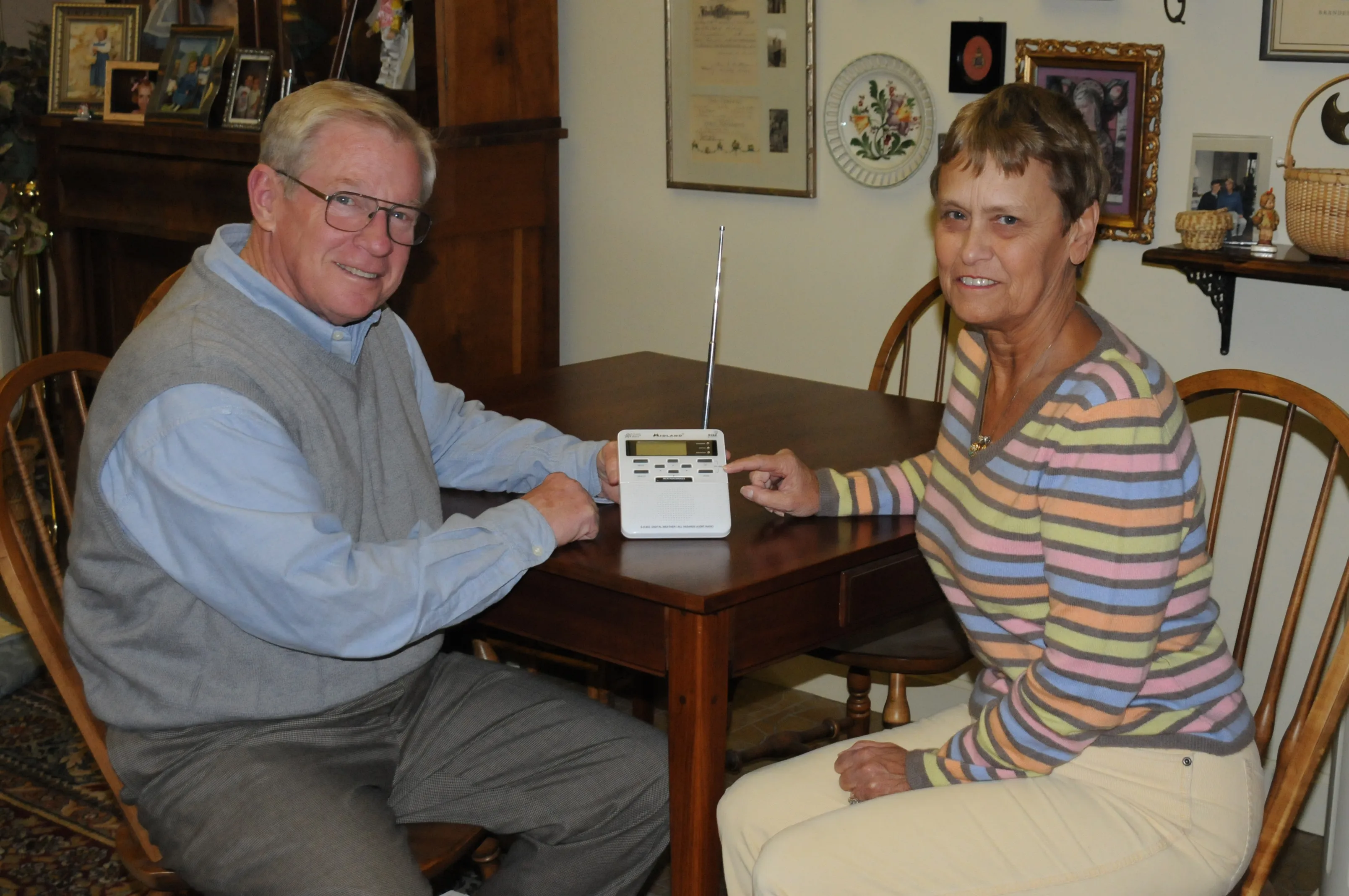
- A radio that runs without power: a battery or hand-crank radio brings you news even when the power's out and phones are dead. A hand-crank radio can recharge its power supply by turning a handle; test it before a storm.
- Important papers in a waterproof bag: your grown-ups handle this, like insurance and ID.
- Medicine: at least a week's supply of anything your family takes.
- Comfort things: a favorite book, a stuffed animal, a deck of cards, or a board game. These help you feel better and give you something to do while you wait out the storm.
Know Your Evacuation Zone
Lots of coastal towns are split into evacuation zones. Your grown-ups can find your zone on the local emergency website or by calling the county. Some zones flood more easily than others. If your zone gets an evacuation order, it means officials don't think it's safe to stay. Always follow that order.
Practice Your Plan
Once you have a plan, practice it. Run a drill where everyone pretends a hurricane is coming. Grab the kit, know where you're headed, and check that everyone remembers the contact number. Practice makes the plan feel easy, so nobody has to panic when a real storm shows up.
Understanding Hurricane Warnings
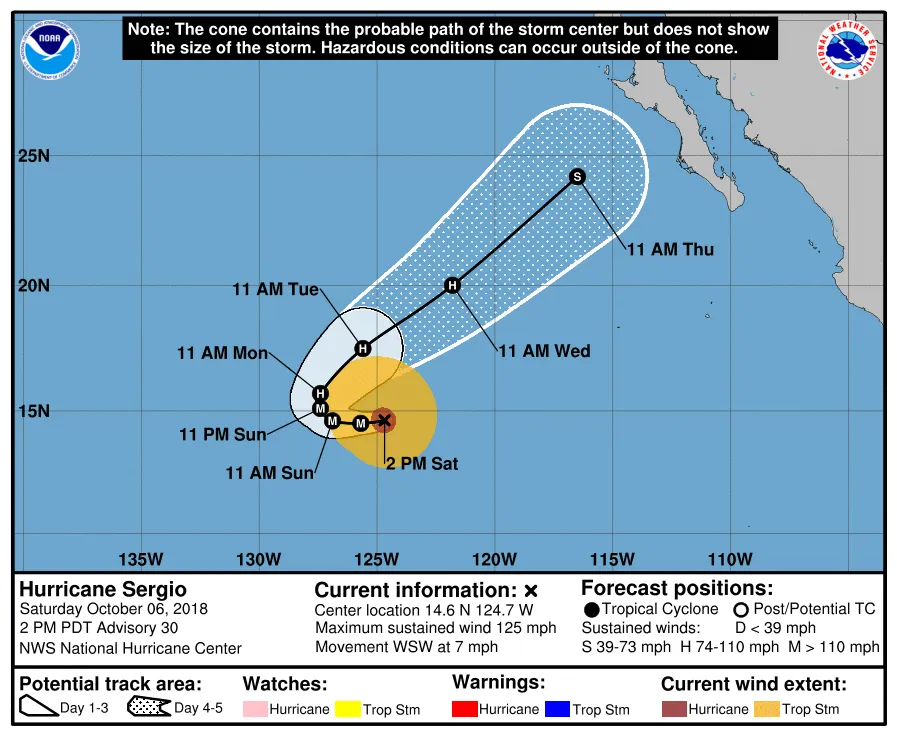
Before a hurricane arrives, the National Hurricane Center (NHC) sends out special alerts. They go out on TV, radio, websites, and phone. Knowing what each one means helps your family act at the right time.
Hurricane Watch
A Hurricane Watch means hurricane conditions are possible in the specified area. It is generally issued 48 hours before tropical-storm-force winds are expected to begin. Review the family plan and follow local instructions.2
Hurricane Warning
A Hurricane Warning means hurricane conditions are expected in the specified area. It is generally issued 36 hours before tropical-storm-force winds are expected. Do not wait for this warning if officials have already told your family to leave.2
Tropical Storm Watch and Warning
These work just like hurricane watches and warnings, but for tropical storms, which have winds between 39 and 73 mph (63 and 117 km/h). A tropical storm isn't as strong as a hurricane, but it can still bring dangerous wind, heavy rain, and flooding.
Storm Surge Warning
A Storm Surge Warning means dangerous ocean water is expected to rise onto land in your area. Storm surge is when a hurricane's wind shoves seawater ashore, and it can flood streets and whole neighborhoods fast.
A hurricane can bring dangerous water as well as strong winds. Follow evacuation instructions with a trusted adult, and stay out of floodwater. A storm’s category alone does not tell you whether a place will flood.
When you hear any warning, listen to your grown-ups and do what they say. They'll know the next step, and your job is to help and cooperate.
During the Storm: Staying Safe
When the hurricane arrives, it's time to hunker down. This isn't the moment for exploring or peeking outside. The safest place for you is indoors, in a sturdy building, following the rules below.
Stay Indoors and Away from Windows
Hurricane wind can turn a piece of wood or a road sign into a flying missile, fast enough to smash a window. Stay in inside rooms, away from every window. If your home has storm shutters, the grown-ups will close them before the storm hits.
Go to a Safe Room
If officials say it is safe to shelter at home, use a sturdy building and an interior room away from windows, on a level that will not flood. A safe place for wind may be unsafe for rising water. Your trusted adult should follow local shelter and evacuation guidance.
Watch Out for the Eye
Here's the trick that fools people every year. In the middle of a hurricane, the wind can suddenly go quiet and the sky can even clear. That calm is the eye of the storm, the center. It feels like the hurricane is over. It is not. Do NOT go outside. The far side of the storm is about to arrive, and the wind will come roaring back, often from the other direction. Wait until officials say the whole storm has passed.
Stay Away from Electrical Things
Never touch electrical equipment, cords, or outlets if they're wet or if you're standing in water. Water carries electricity, so touching wet electrical things can give you a dangerous shock.3
If Flooding Starts
Tell a trusted adult immediately if water enters the building. Move to a higher safe level and seek help; do not hide in a closed attic where water could trap you. Never walk or swim through floodwater. Even shallow moving water can knock people down.
If You're Told to Evacuate
If officials say evacuate, leave right away. Don't wait. Grab your kit, follow the family plan, and go. Every minute counts, because roads can flood or jam with traffic. The sooner your family leaves, the better.
After the Storm
The hurricane has passed and the wind has finally stopped. But the danger isn't over. The hours right after a storm can still be risky, so keep following these rules.
Wait for the All-Clear
Stay inside until local officials, the police, fire department, or emergency managers, say it's safe. They announce the all-clear on the radio, on TV, and through phone alerts.
Stay Away from Downed Power Lines
Stay far away from fallen wires and anything touching them. Tell a trusted adult and have them contact emergency services or the utility. Do not approach to measure a supposedly safe distance; wet ground can also be hazardous.
Don't Drink the Tap Water Yet
Use safe stored water if the supply may be affected, and have a trusted adult follow the local water advisory. Boil-water and do-not-use notices mean different things; boiling does not remove every chemical contaminant.
Stay Out of Flood Water
Even after the storm, standing flood water is dangerous. It can hide broken glass, nails, fallen wires, and nasty chemicals. Never play in it or walk through it.
Be Careful Around Damaged Buildings
Some buildings look fine outside but are hurt inside, where you can't see. Walls, roofs, and floors can be weak and could fall. Stay away from damaged buildings, and never go into one that looks unsafe.
It's Okay to Feel Scared or Sad
Living through a hurricane is stressful. Afterward you might feel scared, sad, worried, or even angry, and that's completely normal. Lots of kids feel this way, and lots of grown-ups do too. Talk to someone you trust, like a parent, teacher, or school counselor, about how you feel. Saying it out loud helps, and the adults around you want to help you through it.
How Kids Can Help
You might think only grown-ups can get ready for a hurricane. Not true. Kids have a real job, and here are some ways you can make a difference.
- Help build the kit. Collect water bottles, pack snacks, round up flashlights, and put it all in one bag or bin that's easy to grab.
- Help younger kids understand the plan. If you have a little brother or sister, explain the family plan in simple words. You can even turn it into a game so they feel less scared.
- Keep your shoes by your bed during hurricane season (June 1 through November 30 in the Atlantic). If you have to leave in the middle of the night, you'll be glad they're right there.
- Learn the emergency alerts. Those loud buzzing sounds on the TV, radio, or a phone are emergency alerts. When you hear one, pay attention and find a grown-up.
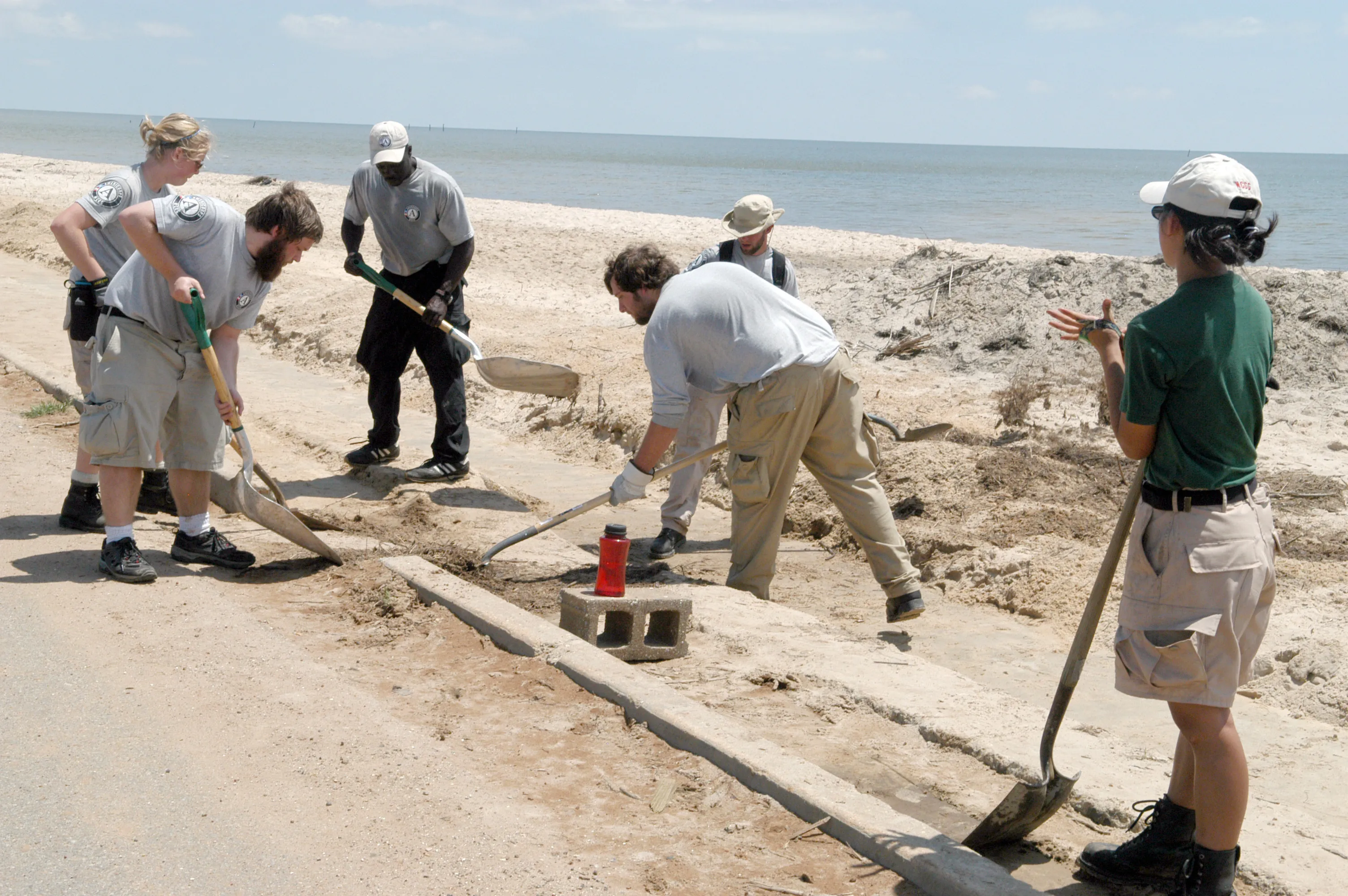
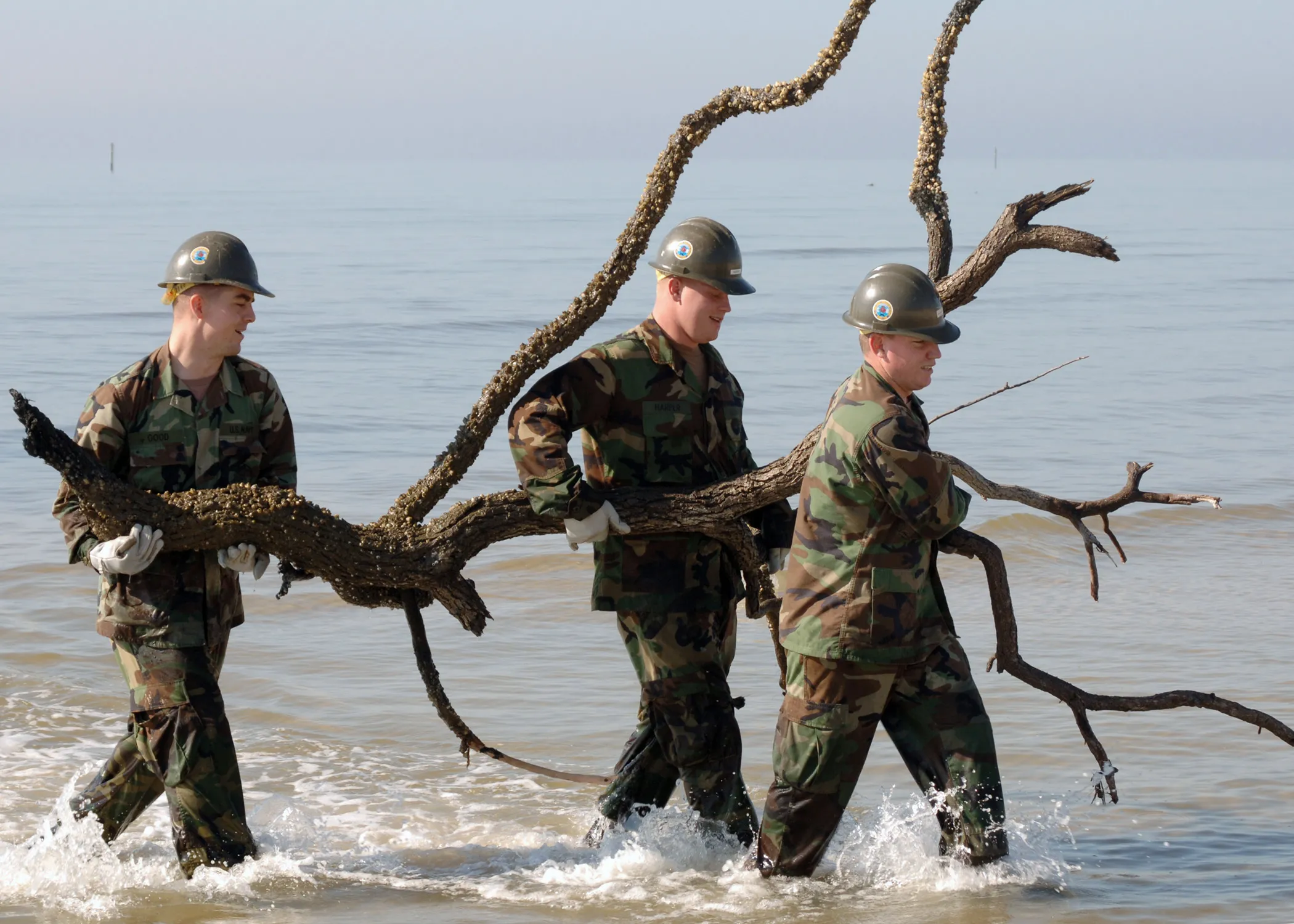
- Help from a safe place. With a trusted adult, organize clean supplies or make cards. Children should stay out of disaster cleanup areas, floodwater and damaged buildings.4
Where to Get Current Instructions
Now you know your job in a hurricane: help your family get ready, stay inside and calm during the storm, and be careful afterward. A kid who knows the plan is a big help to the whole family.
One honest note. This page teaches you the basics, but it is not the live word during a real storm. When a hurricane is actually coming, the official forecasts and warnings come from the National Hurricane Center at hurricanes.gov. Always follow your local officials and your family's plan first.
Want to know what's actually happening inside that spinning storm? Read What Is a Hurricane? next, or see how scientists study hurricanes with flying planes and satellites.
Sources
-
Federal Emergency Management Agency. Hurricanes. Ready.gov. https://www.ready.gov/hurricanes ↩
-
National Weather Service. Hurricane Preparedness. NOAA. https://www.weather.gov/safety/hurricane ↩ ↩2
-
American Red Cross. Hurricane Safety. https://www.redcross.org/get-help/how-to-prepare-for-emergencies/types-of-emergencies/hurricane ↩
-
CDC safe disaster cleanup. https://www.cdc.gov/natural-disasters/safety/index.html ↩