When a hurricane takes aim at the United States, one of the first industries to feel it, often days before landfall, is commercial aviation. Airlines cancel flights by the thousands, major airports shut down, and the disruption ripples across a tightly connected national network far beyond the storm's path.
This article looks at the impact side of that story: how many flights a hurricane grounds, what it costs airlines and passengers, what travelers are owed, and how long it takes the system to recover. For the operational side (how the FAA and airlines actually route around, restrict, and prepare for storms), see the companion guide, Civil Aviation and Hurricane Avoidance.
The Scale: One Storm, Thousands of Cancellations
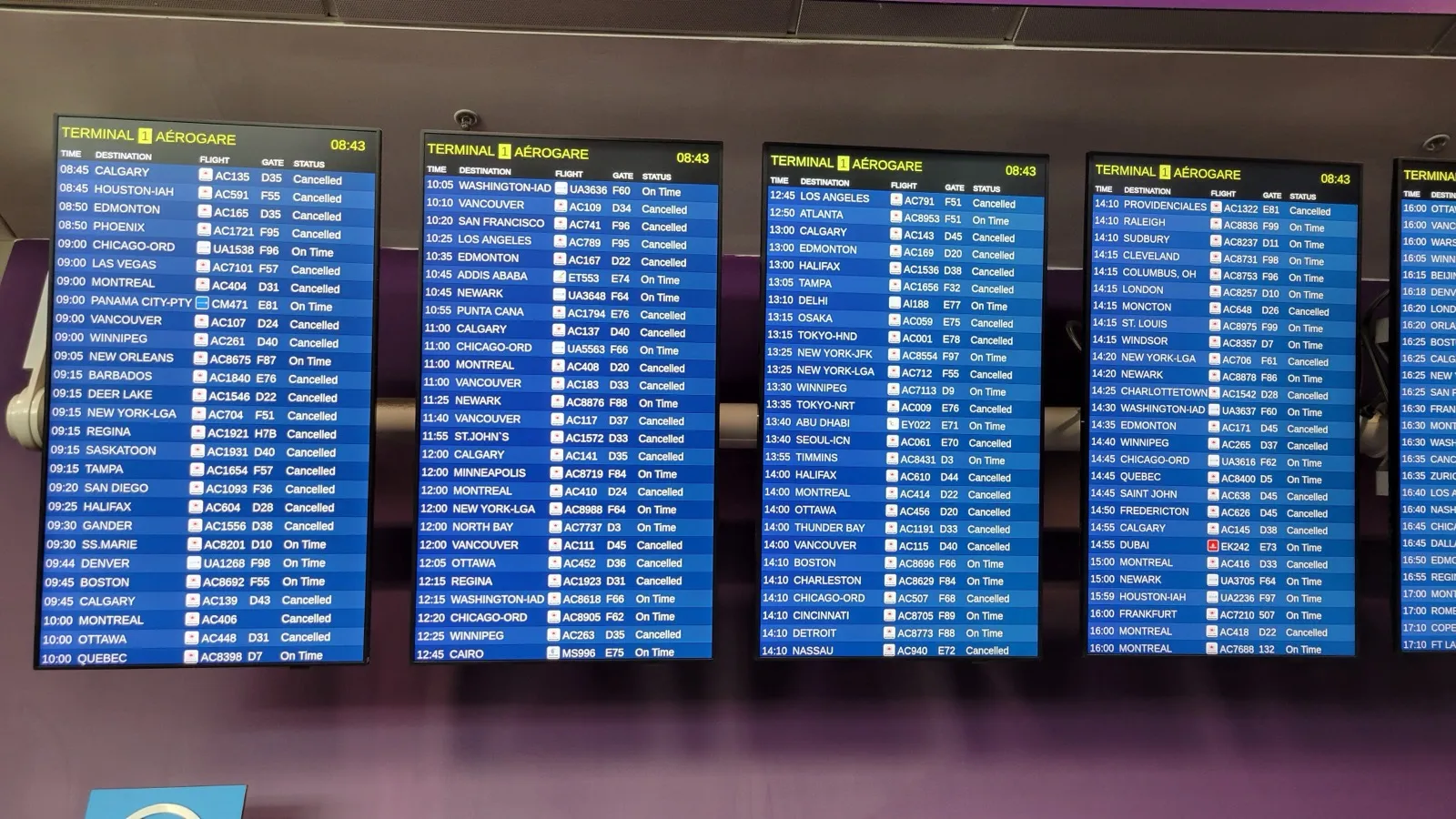
Weather is the single largest cause of air-traffic delay in the U.S. National Airspace System, and a hurricane is weather at its most disruptive.1 A landfalling major storm can erase thousands of flights from the schedule in a matter of days.
Large storms can cancel thousands of flights across several days. Published totals depend on the snapshot time, airports and carriers counted. They should not be treated as a final ranking without a consistent flight-level dataset.
Airlines may cancel services ahead of hazardous weather. Timing varies with forecast impacts, airport operations and aircraft positioning; a fixed 24–48-hour rule does not describe every event.
There's a quiet upside buried in that, and it's the one hazard silver lining we'd point to. This is the rare hurricane impact people can actually see coming. The same forecast lead time the whole field spends its days trying to extend is what lets an airline empty a schedule two days out instead of stranding a terminal full of passengers when the storm arrives. A cancelled flight is a real disruption; it is also, often, a warning heeded.
Why One Storm Ripples Across the Country
A hurricane rarely disrupts only the airports in its path. The U.S. airline system is a tightly connected hub-and-spoke network, and when a storm closes a major hub or blocks a busy stretch of en-route airspace, the effects cascade nationwide.
Two mechanisms drive the spread. First, aircraft and crews get stranded out of position: a jet that cannot reach Miami cannot fly its next three legs to Chicago, Dallas, and back, so cancellations propagate along the aircraft's planned rotation. Second, the airspace itself narrows. Florida and the eastern Gulf sit under some of the busiest en-route corridors in the country, and when a storm's weather fills that airspace, traffic that would normally pass through gets funneled into fewer routes, congesting them and delaying flights that never went near the coast. The result is a national slowdown radiating outward from a regional storm.
The Economic Toll
Flight delays and cancellations are expensive even in ordinary weather, and hurricanes compress a large share of that cost into a few days. A landmark study for the FAA, the NEXTOR "Total Delay Impact" study, put the total cost of U.S. flight delay in 2007 at roughly $32.9 billion, with passengers, not airlines, bearing about half of it through lost time, missed connections, and disrupted plans.2 Airlines for America, the industry's trade group, cites the FAA/NEXTOR estimate of the annual cost of delay at about $33 billion.3
Aircraft operating-cost averages are not the marginal cost of every minute of delay. A jet held at the gate does not incur the same costs as one airborne on a detour. Quantifying hurricane losses requires a defined period, cost basis and counterfactual.
An honest accounting adds a caveat: weather is not the only, or always the leading, cause of cancellations. In the strained post-pandemic period, U.S. government auditors found that factors within the airlines' own control, such as staffing and aircraft availability, drove more cancellations than weather during several months of 2021 and 2022.4 Hurricanes are episodic and severe, but the day-to-day reliability of the network depends on far more than the forecast.
What It Means for Passengers
For travelers, a hurricane cancellation raises two practical questions: what am I owed, and how do I get rebooked?
For flights covered by U.S. DOT rules, passengers are entitled to a refund after airline cancellation or a qualifying significant change if they decline replacement transportation or other accepted compensation. Weather does not remove that right. Airline refunds are automatic under the applicable rule; ticket-agent responsibilities and the handling of partially used travel require attention to the actual booking.5
U.S. rules do not generally require compensation, meals or hotels for weather disruption. Carrier commitments, insurance and laws applying to an international itinerary can provide different rights. A refund is conditional on the applicable rules and the traveler’s choice, not an entitlement to both completed replacement travel and a full refund.6
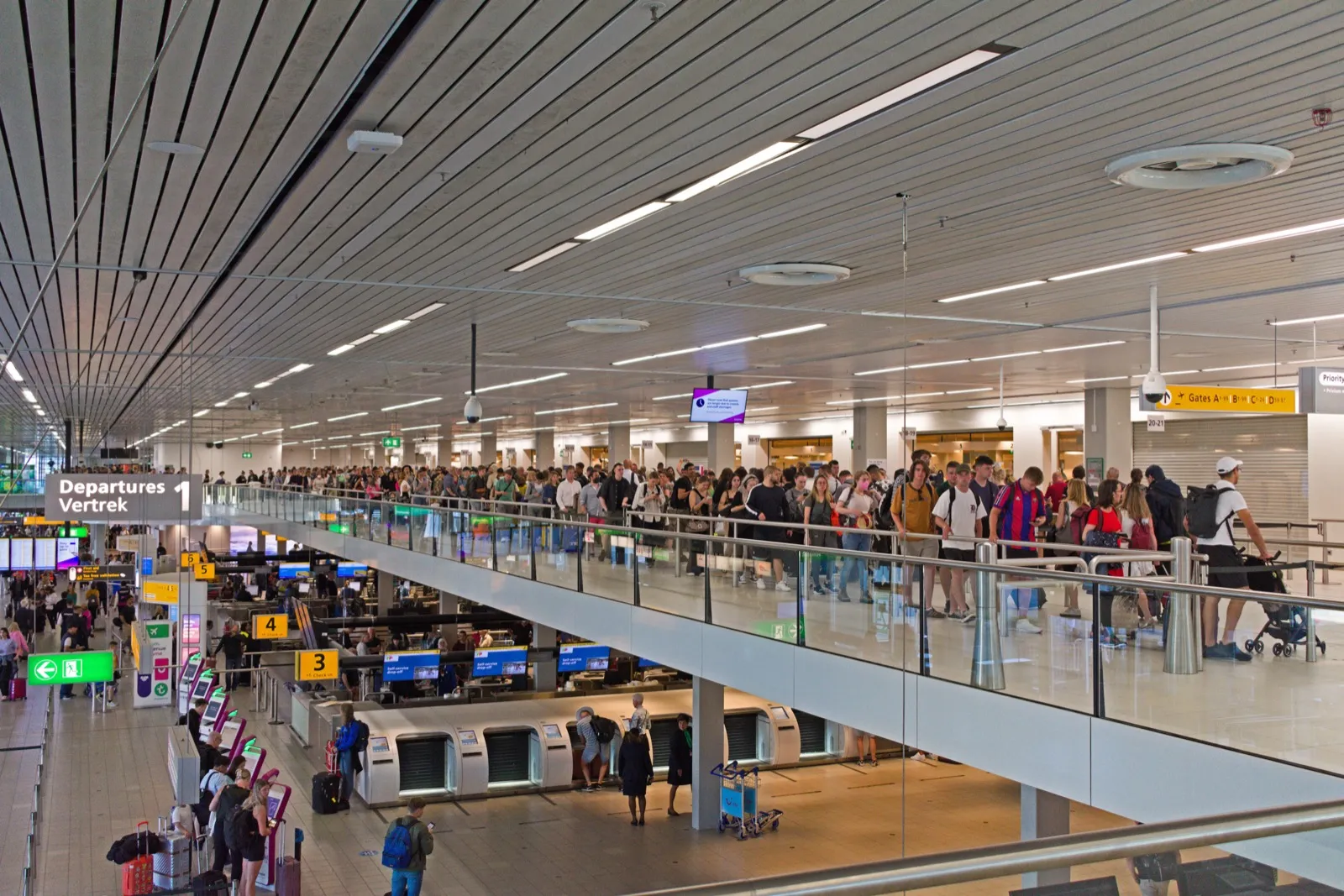
In practice, most passengers do not want a refund; they want to reach their destination. That is where airline travel waivers come in. When a storm is forecast to affect an area, airlines proactively issue a waiver that lets already-ticketed passengers rebook without the usual change fee, typically to and from the affected airports within a set window. These waivers are a voluntary commercial practice, not a legal requirement, and the terms vary by airline, but during major Florida storms the large carriers routinely publish them days in advance.
Air Cargo and the Supply Chain
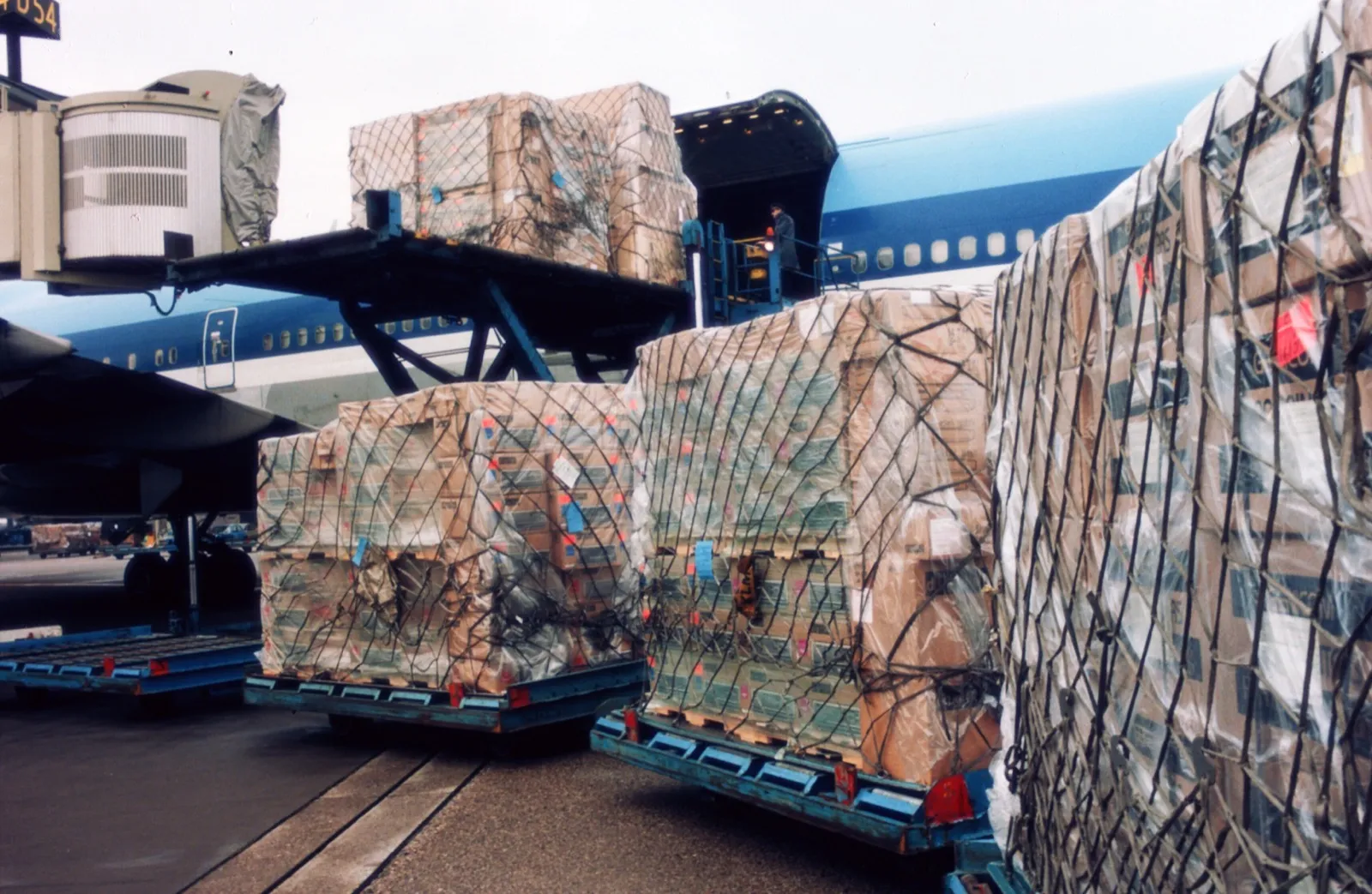
Passengers are the visible face of a hurricane's aviation impact, but the same closures hit air cargo, and air cargo punches far above its weight. Although it moves less than one percent of world trade by tonnage, air cargo carries goods worth over $8 trillion, about a third of all world trade by value, according to the International Air Transport Association.7 These are the time-sensitive, high-value, and perishable shipments that cannot wait for a ship.
Geography concentrates the risk. Miami International Airport is the leading U.S. gateway for international air freight and the dominant hub for trade with Latin America, handling the lion's share of the region's air imports and exports, including the great majority of fresh-cut flowers and a large volume of perishable produce and seafood entering the country by air.8 When a hurricane closes Miami, it does not just strand travelers; it interrupts a supply chain that keeps supermarket shelves and florists stocked across the country, with losses that mount for every day the perishables cannot move.
Recovery Depends on the Damage
Reopening an airport after a hurricane is deliberately slow, because safety comes first: runways must be swept for debris, navigation aids re-checked, and power and lighting restored before flights resume. How long that takes varies enormously with the damage.
Reopening depends on damage, inspection, utilities, staffing and services. Airports may resume limited flights while terminals, roads or airline schedules remain disrupted. A quick reopening is not a universal measure of good management.
After Ian, Tampa International announced a September 30, 2022 reopening following its September 27 suspension. Such airport-specific notices are more reliable for chronology than generalized claims about all Florida airports.9
Restoring an airline network also requires repositioning crews and aircraft. Limited reopening and return to a normal schedule are different milestones; severe local damage can delay recovery substantially.
Hurricane disruption can extend well beyond the affected airports. Check the airline’s current flight notice, waiver and refund options, and the airport’s operating status. See civil aviation and hurricane avoidance for the operational response.
Sources
-
Federal Aviation Administration. (2023). Weather Delay — Frequently Asked Questions (NextGen Weather). U.S. Department of Transportation. "The largest cause of air traffic delay in the National Airspace System is weather." https://www.faa.gov/nextgen/programs/weather/faq ↩
-
Ball, M., et al. (2010). Total Delay Impact Study: A Comprehensive Assessment of the Costs and Impacts of Flight Delay in the United States. NEXTOR / FAA. See also UC Berkeley: "flight delays put a $32.9 billion dent into the U.S. economy, and about half that cost is borne by airline passengers." https://news.berkeley.edu/2010/10/18/flight_delays/ ↩
-
Airlines for America. (2025). U.S. Passenger Carrier Delay Costs. "In 2024, the average cost of aircraft block (taxi plus airborne) time for U.S. passenger airlines was $100.76 per minute." A4A also cites the FAA/Nextor estimate of annual delay cost at about $33 billion. https://www.airlines.org/dataset/u-s-passenger-carrier-delay-costs/ ↩
-
U.S. Government Accountability Office. (2023). Airline Passenger Protections: Observations on Flight Delays and Cancellations (GAO-23-105524). Factors within airlines' control led cancellations in several months of 2021–2022. https://www.gao.gov/products/gao-23-105524 ↩
-
U.S. Department of Transportation. Refunds — 14 CFR § 260.6. A covered carrier must provide "a full and prompt refund of the airfare, including any taxes and ancillary fees" when a flight is cancelled or significantly changed and the passenger declines rebooking or compensation; the 2024 final rule requires automatic refunds in the original form of payment. https://www.transportation.gov/individuals/aviation-consumer-protection/refunds ↩
-
U.S. Department of Transportation. Fly Rights: A Consumer Guide to Air Travel. Airlines are not required to compensate passengers for delays or cancellations, and amenities need not be offered when the cause is bad weather or otherwise beyond the airline's control. https://www.transportation.gov/airconsumer/fly-rights ↩
-
International Air Transport Association. The Value of Air Cargo. "Air cargo transports over USD 8 trillion worth of goods, accounting for approximately 33% of world trade by value." https://www.iata.org/en/programs/cargo/sustainability/benefits/ ↩
-
Miami International Airport. Cargo Hub of the Americas. MIA is the top U.S. airport for international freight and the leading U.S. gateway for trade with Latin America. https://www.miami-airport.com/home-cargo.asp ↩
-
Tampa International Airport. (2022, September 29). Tampa International Airport to Resume Operations at 10 a.m. Friday. TPA suspended operations at 5 p.m. Sept. 27 and resumed Sept. 30; Southwest Florida International (RSW) reopened October 5. https://news.tampaairport.com/tampa-international-airport-to-resume-operations-at-10-am-friday/ ↩