A hurricane's economic damage does not stop at the coastline. Because the U.S. Gulf and Atlantic coasts concentrate critical energy, agricultural, and shipping infrastructure, a single storm can ripple through national supply chains, spiking fuel prices, disrupting food production, and idling ports far from where it made landfall. The common assumption that a hurricane's cost is a regional problem understates it: a major Gulf storm can have national economic consequences.
Energy and Fuel Markets
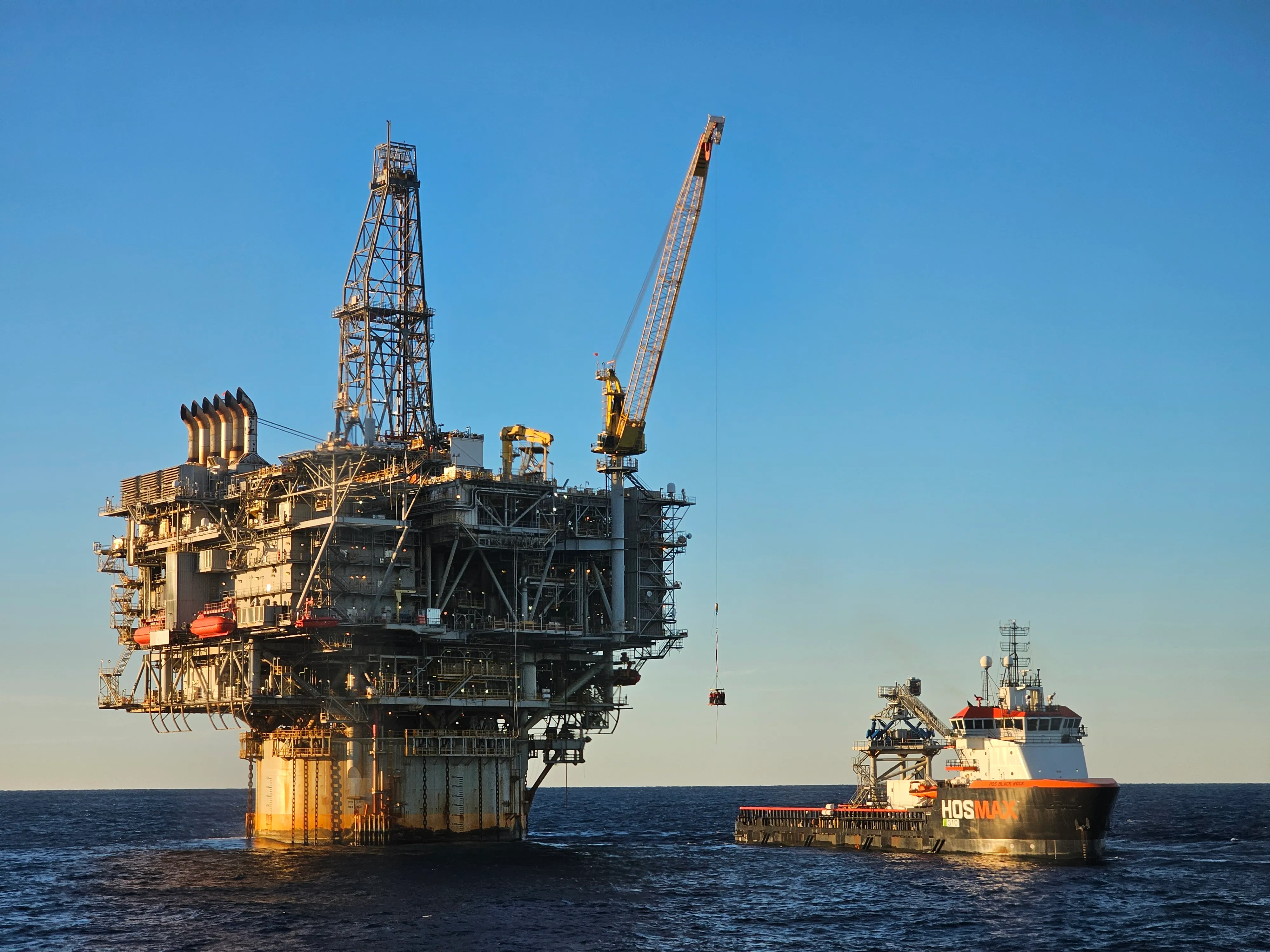
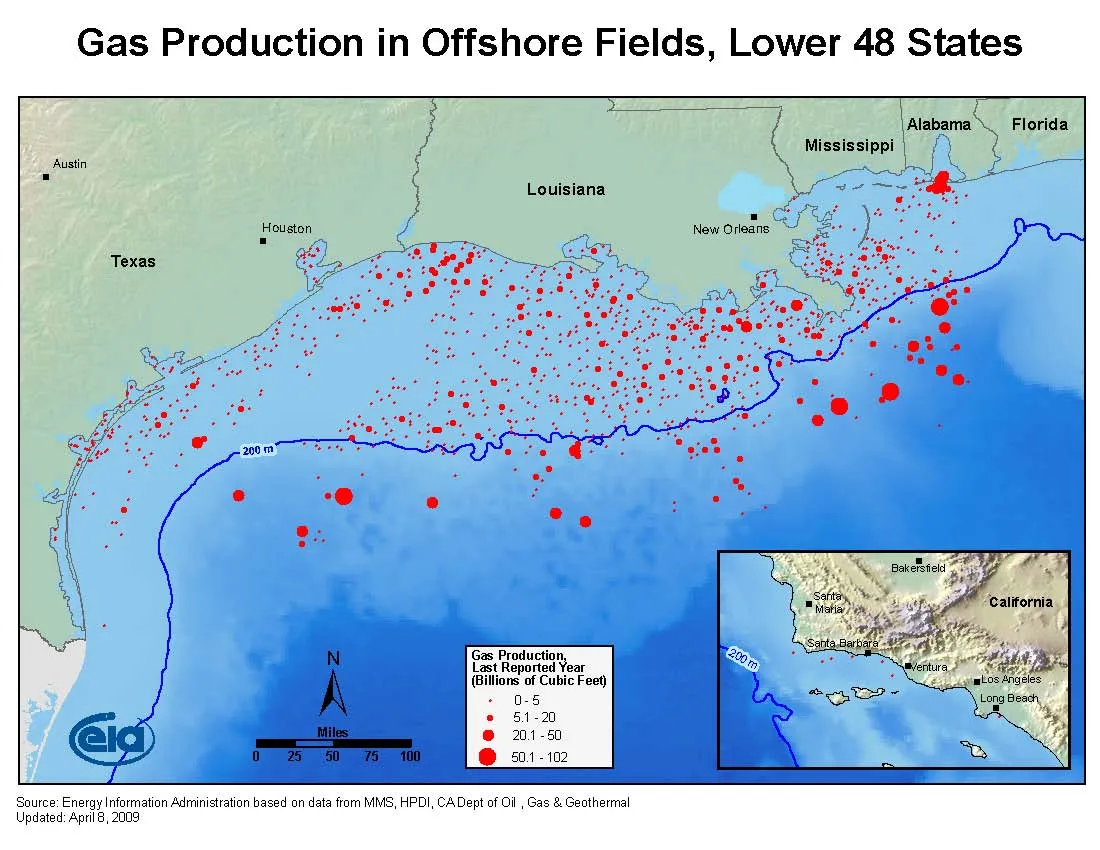
The Gulf Coast is the center of U.S. energy: the region accounts for roughly half of the nation's petroleum refining capacity and a large share of offshore oil and natural-gas production.1 When a major hurricane threatens, refineries shut down and offshore platforms evacuate as a precaution, and physical damage or flooding can keep them offline for weeks. The result is sharp, sometimes nationwide spikes in gasoline and fuel prices, seen after Katrina and Rita (2005), Harvey (2017), and Ida (2021), each of which knocked out significant Gulf refining capacity.1
Agriculture
Hurricanes can damage agriculture far inland. Wind and flooding destroy standing crops, drown livestock, and flatten timber over large areas. Hurricane Michael (2018) caused billions in losses to Georgia and Florida agriculture and timber alone.2 Damage to specialty crops such as Florida citrus, and to processing and storage facilities, can carry through to prices and supply well beyond the affected states.

Ports and Shipping
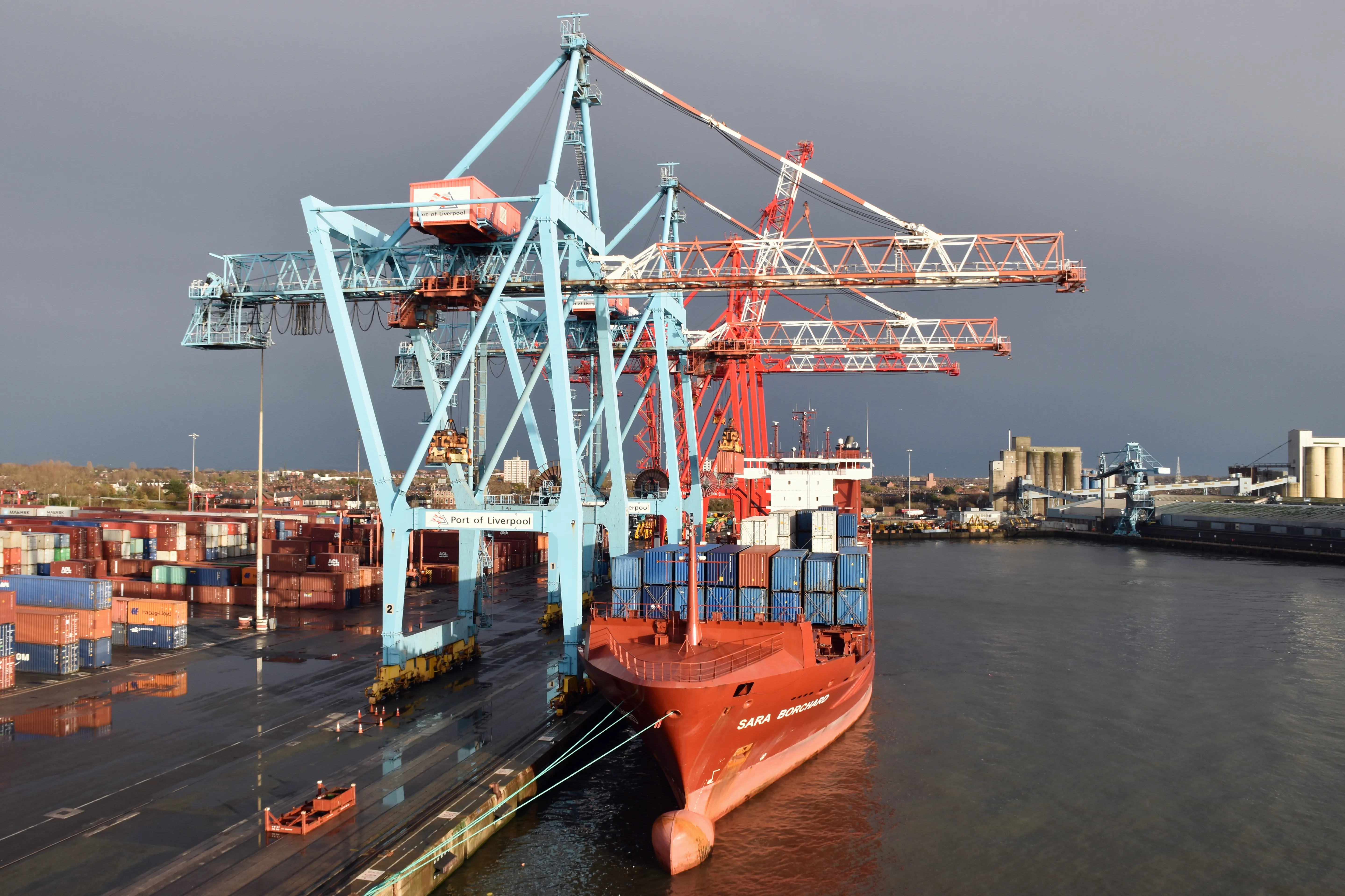
The Gulf and Southeast host some of the nation's busiest ports (Houston, South Louisiana, Savannah) and major waterways such as the lower Mississippi. A hurricane can close ports for days, halting imports and exports of grain, chemicals, fuel, and consumer goods, and creating backlogs that take weeks to clear. Because modern supply chains run lean, these interruptions cascade to manufacturers and retailers nationwide.
Jobs and the Broader Economy
In the immediate aftermath, hurricanes cause measurable increases in unemployment claims and temporary job losses in affected regions as businesses close and workers are displaced.3 Over the longer term, reconstruction spending can lift local activity even as the net loss remains large, and small businesses, many of them uninsured, often never reopen. The largest storms register in regional and even national economic data.2
Reported damage totals differ in their treatment of business interruption and other economic effects. NCEI includes some time-element losses; it is inaccurate to describe all downstream costs as excluded. A full supply-chain analysis requires additional data and must avoid double counting.
Insurance, Reinsurance, and Rising Premiums
Insurance and reinsurance distribute covered losses, while households, businesses and governments bear uninsured costs. Catastrophe experience can affect pricing and availability, alongside capital markets, regulation and other factors. NCEI’s loss totals do not by themselves establish a worldwide premium or municipal-bond response to an individual hurricane.
Why the Shock Is National
Because a few hurricane-prone coasts hold an outsized concentration of energy, food, and shipping infrastructure, the economic shock of a major hurricane is national rather than regional. The overlap matters: the shallow, exposed coasts that generate the largest storm surge are the same coasts where refineries, ports, and platforms are concentrated, so the economic exposure and the physical hazard sit directly on top of each other. That overlap is the practical case for treating hurricane resilience, the hardening of refineries, ports, and grids, as an economic priority well beyond the coast.1
Sources
-
U.S. Energy Information Administration (2025). Refining industry risks from the 2025 hurricane season. Today in Energy. https://www.eia.gov/todayinenergy/detail.php?id=65304 ↩ ↩2 ↩3
-
NOAA National Centers for Environmental Information. U.S. Billion-Dollar Weather and Climate Disasters. https://www.ncei.noaa.gov/access/billions/ ↩ ↩2
-
Dolfman, M. L., Wasser, S. F., & Bergman, B. (2007). The effects of Hurricane Katrina on the New Orleans economy. Monthly Labor Review, June 2007. U.S. Bureau of Labor Statistics. https://www.bls.gov/opub/mlr/2007/article/effects-of-hurricane-katrina-on-the-new-orleans-economy.htm ↩