Hurricanes are among the most powerful agents of environmental change on the coast. In hours they can reshape coastlines, drown wetlands, contaminate water, and disrupt marine ecosystems, and that damage can take years or decades to heal. Some of it never fully reverses.
Coastal Erosion and Barrier Islands
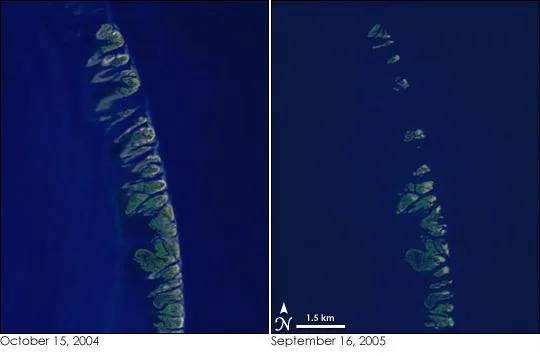
The most visible environmental impact is to the coast itself. Storm surge and waves strip sand from beaches and dunes, overwash and breach barrier islands, and can cut new inlets through them.1 Barrier islands such as Louisiana's Chandeleur Islands have been progressively dismantled by successive hurricanes, and chronic sediment starvation, from dams, channelization, and engineered inlets, leaves many eroded coasts unable to rebuild naturally.1
Wetland and Marsh Loss
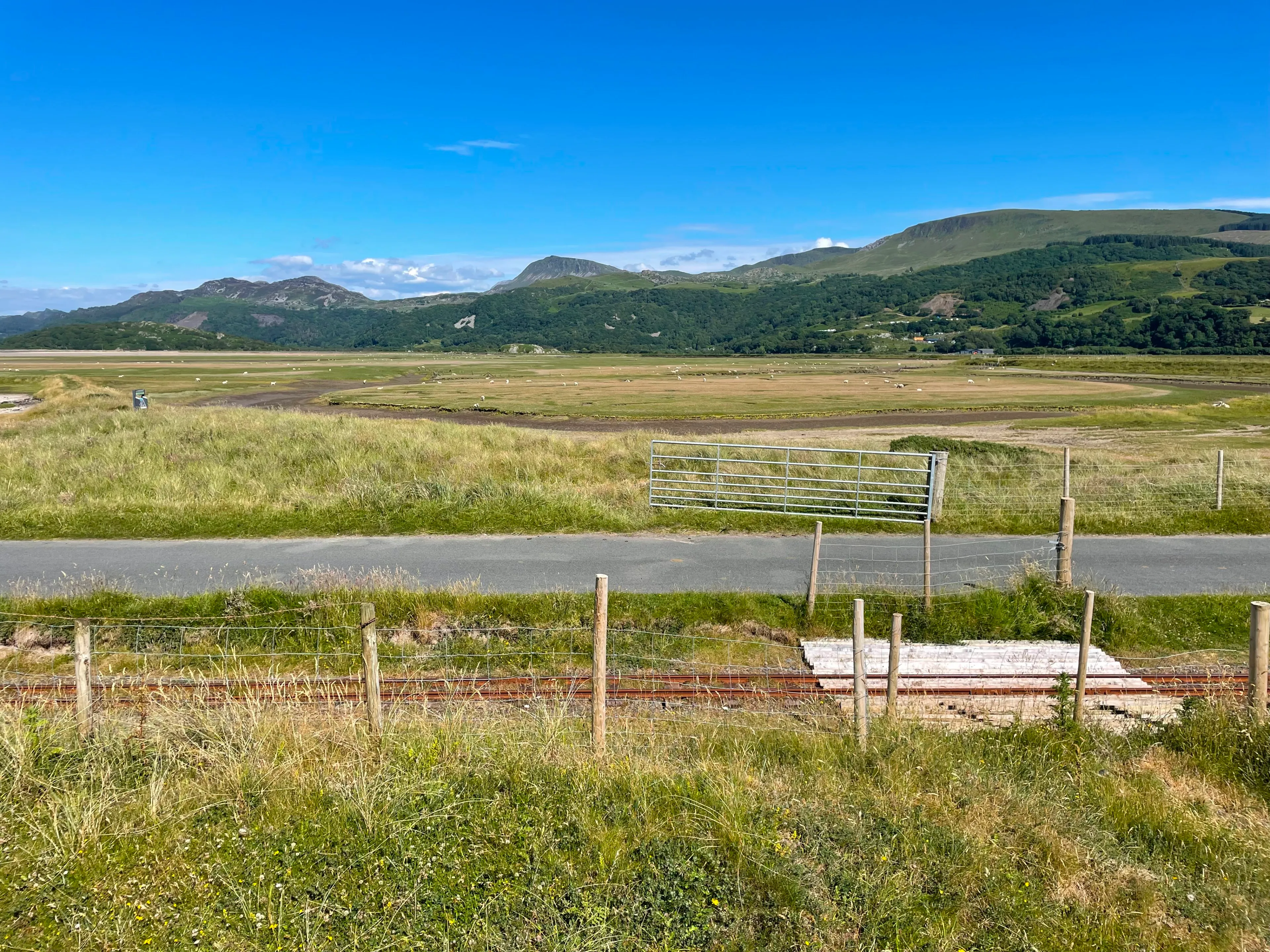
Coastal wetlands buffer the shore and nurse fisheries, but hurricanes can convert marsh to open water through erosion, saltwater intrusion, and sediment burial. Louisiana, which loses coastal land at among the fastest rates on Earth, sees that loss accelerated by major hurricanes that scour and submerge fragile marshes.1
Saltwater Intrusion and Water Contamination
Surge pushes saltwater into freshwater aquifers, rivers, and agricultural soils, harming drinking-water supplies and crops long after the water recedes.1 Flooding also overwhelms sewage systems and inundates industrial sites, releasing untreated wastewater, fuel, and hazardous chemicals. Major hurricanes have flooded Superfund sites and petrochemical facilities, spreading contamination through nearby communities.2
Marine Ecosystems
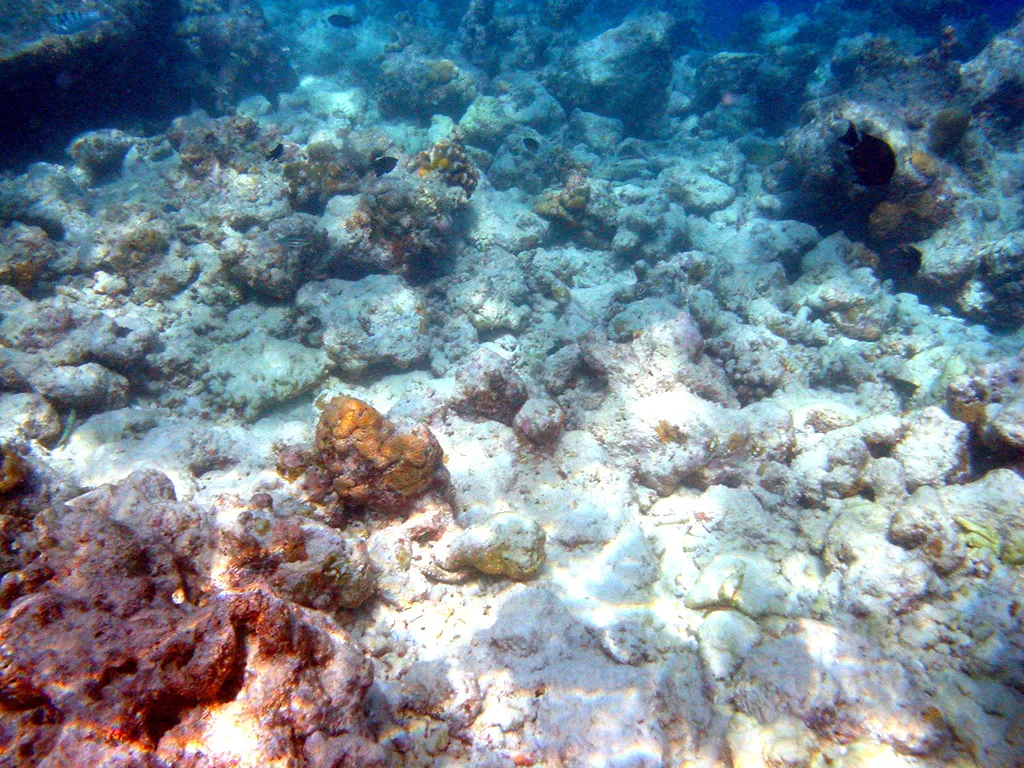
Beneath the surface, hurricanes disturb the sea. Intense mixing and runoff can damage coral reefs and seagrass beds, alter water temperature and salinity, and deliver pulses of sediment and nutrients that fuel algal blooms and low-oxygen "dead zones."3 The deep mixing hurricanes generate is also a natural part of ocean dynamics, and some ecosystems are adapted to periodic disturbance.
Storms can damage ecosystems but also redistribute sediment and nutrients. Recovery varies with disturbance severity and subsequent conditions; even a healthy ecosystem is not guaranteed to recover from every event.
Wildlife and Habitat Displacement
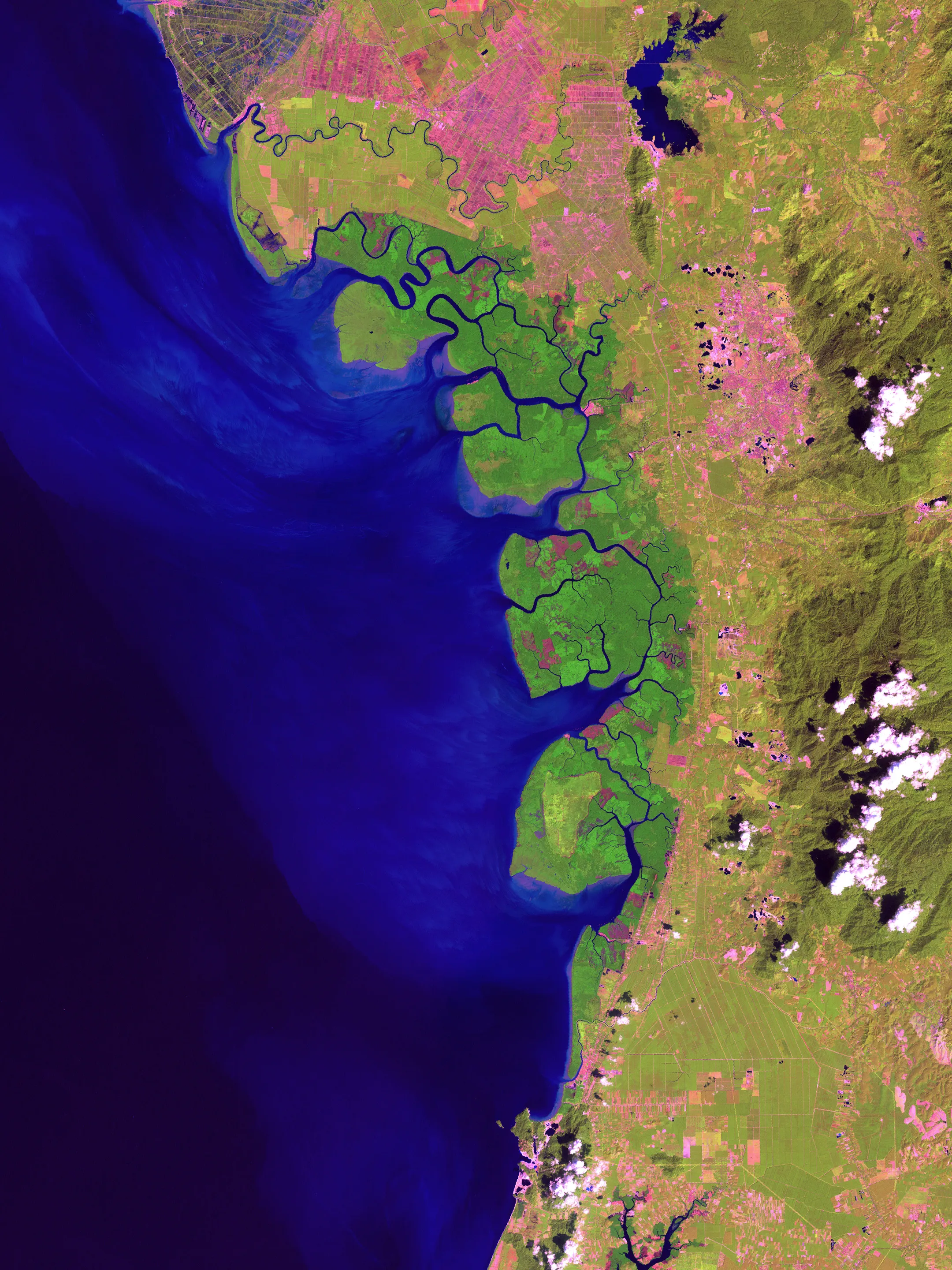
Hurricanes strike directly at wildlife and the habitats that sustain it. Storm surge can wash away the nests of sea turtles and the beach-nesting birds that breed on barrier islands, and powerful winds destroy the rookeries and old-growth trees that herons, eagles, and other species depend on.3 Animals are displaced as their habitats are flooded or flattened, and freshwater species suffer when salt water invades their marshes and estuaries. Invasive species sometimes exploit the disturbance, colonizing damaged habitat before native ones can recover. For endangered populations confined to a small range, such as certain Florida and Gulf Coast species, a single severe hurricane can set back recovery efforts by years.
Recovery Timelines
Environmental recovery varies widely. Beaches may rebuild over months to years where sand supply allows; mangroves and seagrass can take years; and lost coastal wetlands may never return where subsidence and sea-level rise outpace natural rebuilding.1 These timelines are genuinely hard to predict for any single storm, since recovery depends on the sediment supply, the health of the system beforehand, and what the climate does next.
Loss of marshes, dunes, and barrier islands can change the surge and wave exposure of the shore behind them. That links ecological recovery to the design of nature-based coastal defenses.
Sources
-
U.S. Geological Survey. Coastal Change Hazards. https://www.usgs.gov/programs/cmhrp/science/coastal-change-hazards ↩ ↩2 ↩3 ↩4 ↩5
-
U.S. Environmental Protection Agency. Hurricanes and Natural Disasters. https://www.epa.gov/natural-disasters/hurricanes ↩
-
National Oceanic and Atmospheric Administration, National Ocean Service. How do hurricanes affect sea life? https://oceanservice.noaa.gov/facts/how-do-hurricanes-affect-sea-life ↩ ↩2