Seawalls and levees are not the only way to defend a coast. Nature-based solutions (NBS), sometimes called "green infrastructure," use restored or protected coastal ecosystems as living storm buffers. Marshes, mangroves, oyster reefs, and dunes absorb wave energy and slow storm surge, and healthy ecosystems can grow and recover under suitable conditions while providing habitat, cleaner water, and recreation. Increasingly, engineers pair them with traditional "gray" defenses for protection that is both stronger and more sustainable.
Coastal Wetlands and Marshes
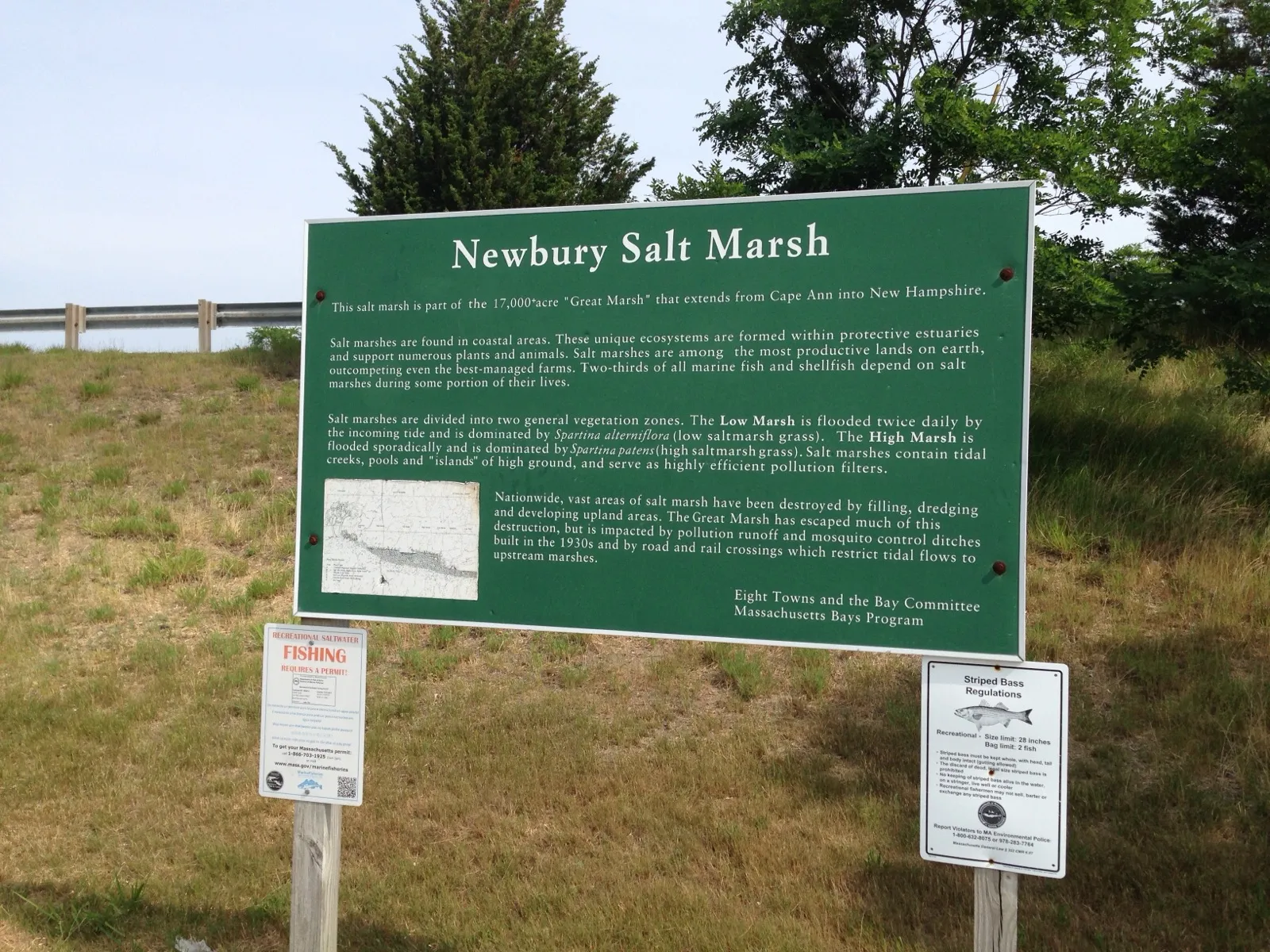
Salt marshes are among the most effective natural buffers. Their dense vegetation and broad, shallow expanses physically slow incoming surge and dampen waves, reducing the height and force of water that reaches developed land.1 The protection is measurable: a peer-reviewed study found that coastal wetlands prevented an estimated $625 million in direct flood damages during Hurricane Sandy in 2012, about 1% of modeled losses across the study region. Its separate estimate of an average 16% reduction in annual flood losses concerned Ocean County, New Jersey, rather than the full Sandy footprint.2 The corollary is sobering: where wetlands have been lost to development or subsidence, as across much of coastal Louisiana, that free protection disappears with them.
Mangroves
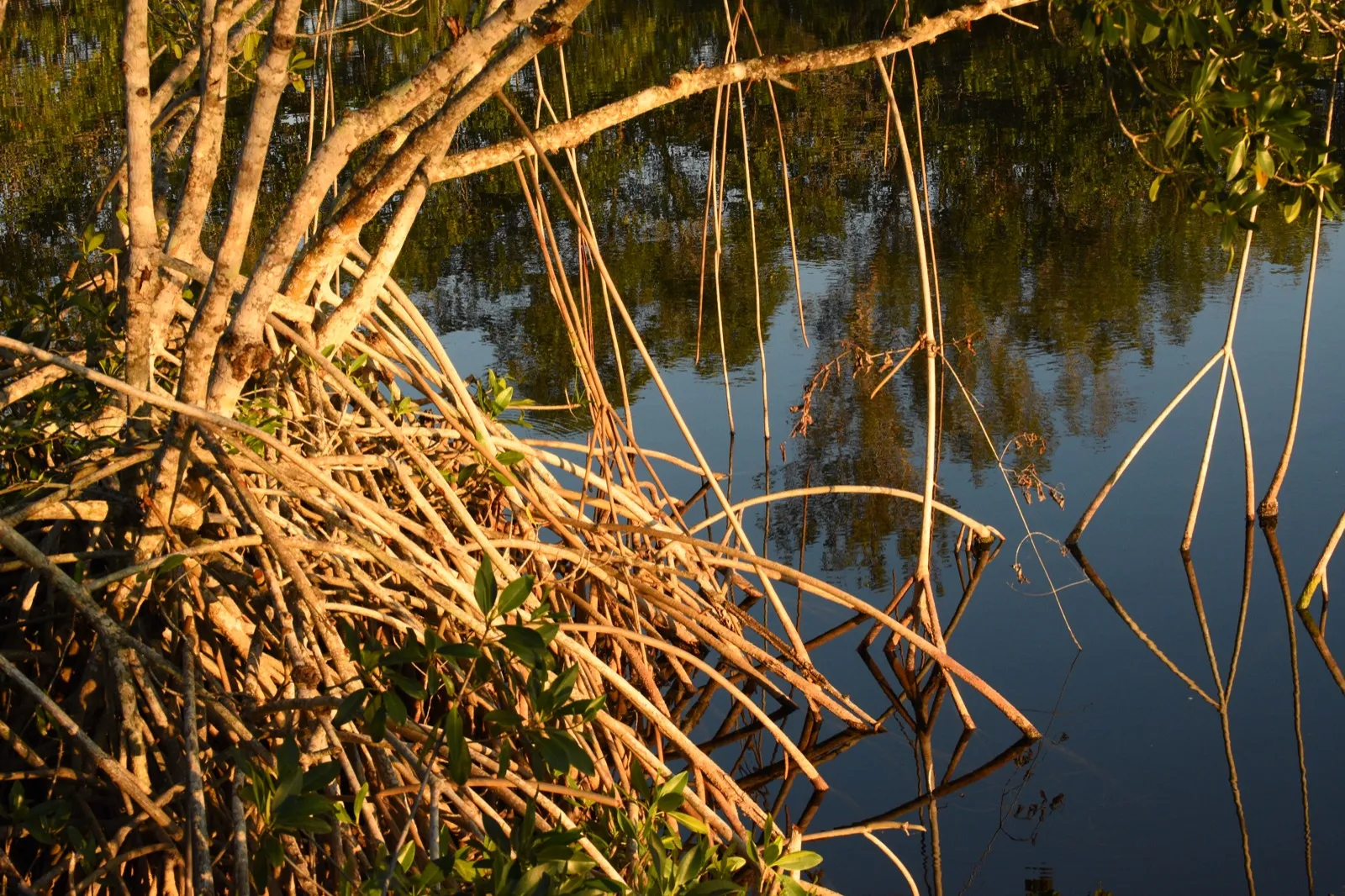
In tropical and subtropical coasts, including South Florida, mangrove forests are powerful wave and surge buffers. Their dense, tangled root systems dissipate wave energy and trap sediment, building and holding shoreline even as they shelter the land behind them.3 Studies of tropical storms have found that intact mangroves significantly reduce flooding and property damage for the communities behind them, which is one reason mangrove protection and replanting have become central to coastal-resilience efforts worldwide.3
Oyster Reefs and Living Shorelines
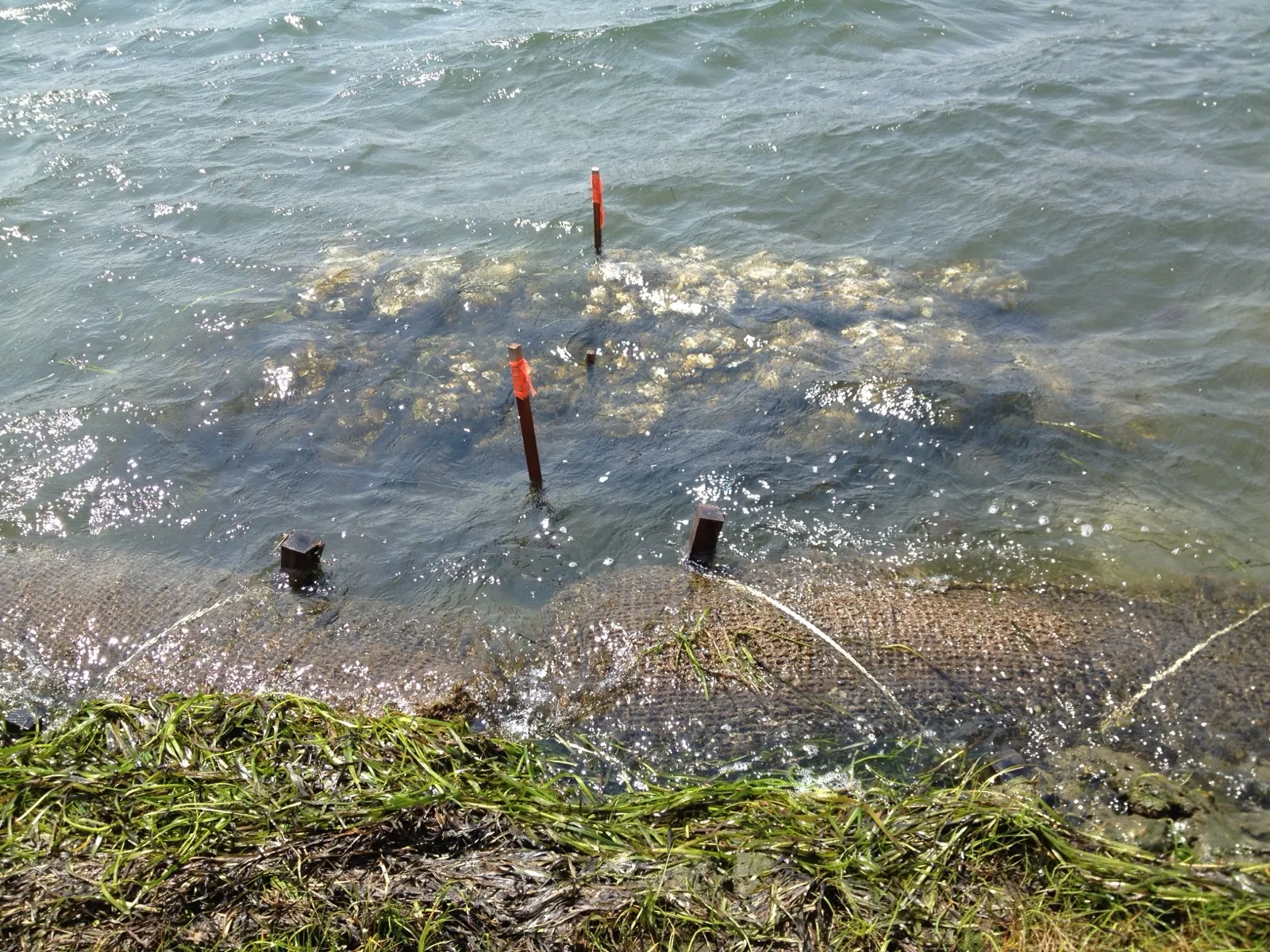
Reefs can reduce wave energy, while living shorelines use vegetation and sometimes rock or other structures to stabilize suitable shores. Performance depends on water depth, wave exposure, design, and ecosystem condition. They can be damaged and may require maintenance or restoration after storms.1
Living shorelines are an option for suitable sheltered coasts, not a replacement for every seawall or flood defense. Wave exposure, water depth, available space, habitats, and maintenance needs all affect the choice. NOAA recommends evaluating the site before selecting a stabilization method.4
Dunes and Barrier Islands
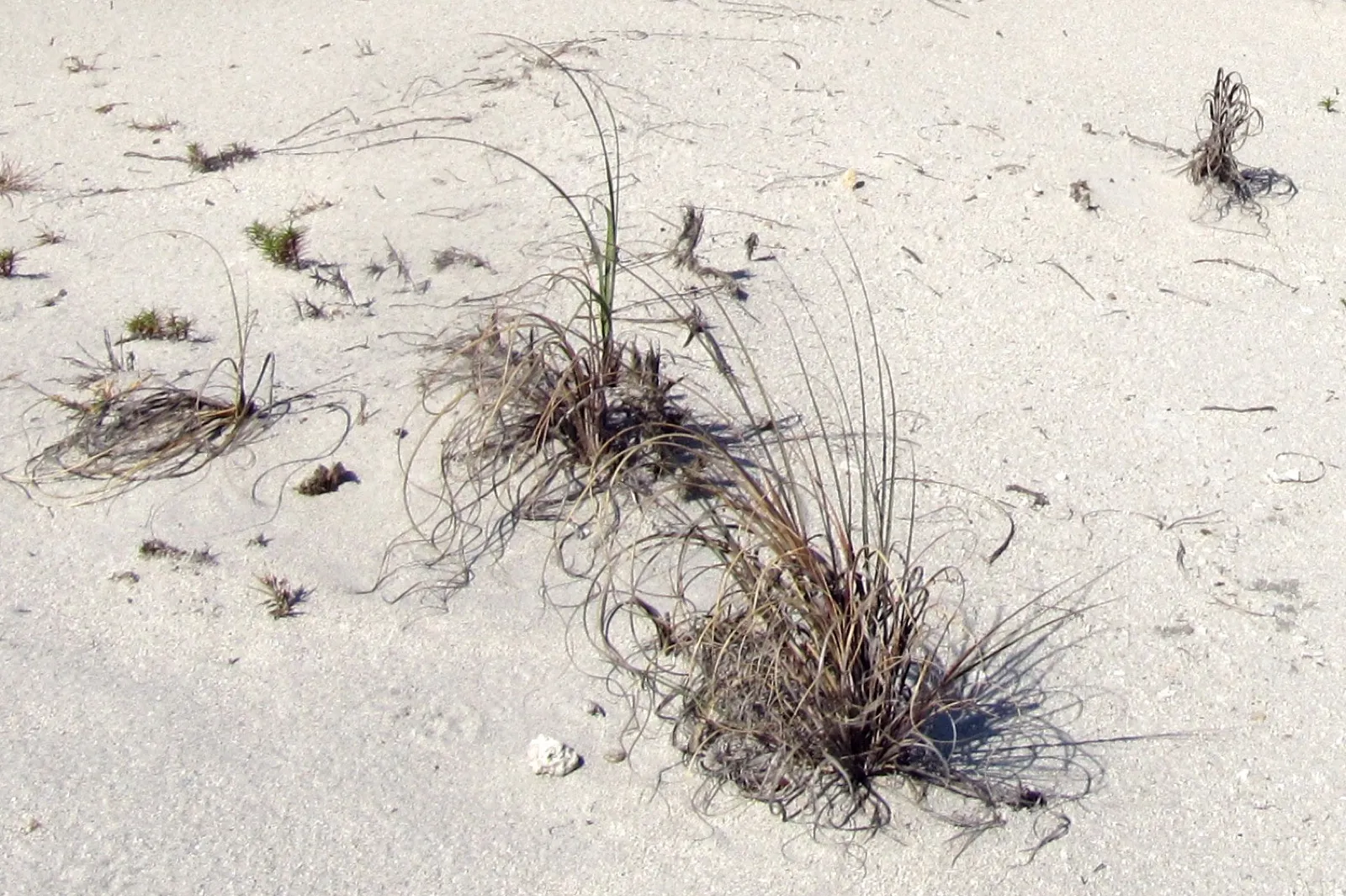
Sand dunes and barrier islands are the coast's first line of defense. A healthy, vegetated dune system absorbs wave attack and can limit overwash until water and waves exceed or erode the dune; during Hurricane Sandy, robust dunes were credited with sparing some communities while neighboring areas with degraded dunes flooded.1 Restoring dunes, planting dune grasses, and rebuilding barrier islands with dredged sediment all strengthen this natural barrier, though it must be maintained, since storms erode it by design.
Engineering With Nature
A growing approach pairs natural and built defenses, so-called "green-gray" hybrids. The U.S. Army Corps of Engineers' Engineering With Nature initiative explicitly designs projects that use natural processes (marsh creation, beneficial reuse of dredged sediment, reefs fronting levees) to add resilience and reduce costs.5 Louisiana's 2023 Coastal Master Plan proposed pairing levees and floodwalls with large-scale marsh creation and sediment diversions intended to rebuild the wetlands that once shielded New Orleans.6
Natural features and engineered structures can be designed together. A marsh may reduce wave loading on a levee, but the benefit depends on the marsh, water level, and storm conditions. A project must quantify that effect before changing structural dimensions or claiming a particular level of protection. The HSDRRS illustrates the scale of the engineering questions involved.
Why It Matters — and Its Limits
Nature-based solutions are attractive because they are often cost-effective, self-sustaining, and rich in co-benefits (fisheries, water quality, carbon storage, and public space) that concrete cannot match.3 But they are not a cure-all: they need space, time to establish, and ongoing stewardship, and they can be overwhelmed by the most extreme surges. The emerging consensus is not green versus gray but green and gray: using living coastlines as the outer buffer that makes engineered defenses more effective and a coast more resilient overall.5
Sources
-
NOAA Fisheries. Understanding Living Shorelines: absorbing wave energy with marsh, oyster reefs, and natural materials versus hardened shorelines. https://www.fisheries.noaa.gov/insight/understanding-living-shorelines ↩ ↩2 ↩3
-
Narayan, S., Beck, M. W., Wilson, P., et al. (2017). The Value of Coastal Wetlands for Flood Damage Reduction in the Northeastern USA. Scientific Reports, 7, 9463. https://www.nature.com/articles/s41598-017-09269-z ↩
-
The Nature Conservancy. Why Are Mangroves Important? Mangrove roots slow water, trap sediment, and reduce erosion and storm-surge impacts. https://www.nature.org/en-us/about-us/where-we-work/united-states/florida/stories-in-florida/why-mangroves-important/ ↩ ↩2 ↩3
-
NOAA. Living Shorelines. Site suitability and sheltered-coast guidance. ↩
-
U.S. Army Corps of Engineers. Engineering With Nature: the intentional alignment of natural and engineering processes for economic, ecological, and social benefit. https://ewn.erdc.dren.mil/?page_id=3533 ↩ ↩2
-
Louisiana Coastal Protection and Restoration Authority. 2023 Coastal Master Plan — restoration projects including marsh creation and sediment diversions. https://coastal.la.gov/news/gov-edwards-cpra-celebrate-passage-of-2023-coastal-master-plan-and-fy-2024-annual-plan/ ↩